For Homes
We protect your floors and belongings and keep the work zone sealed. You get a fixed price and a prevention plan before we leave.
- Finished basement flooded
- Musty odor upstairs
- Mold on baseboards
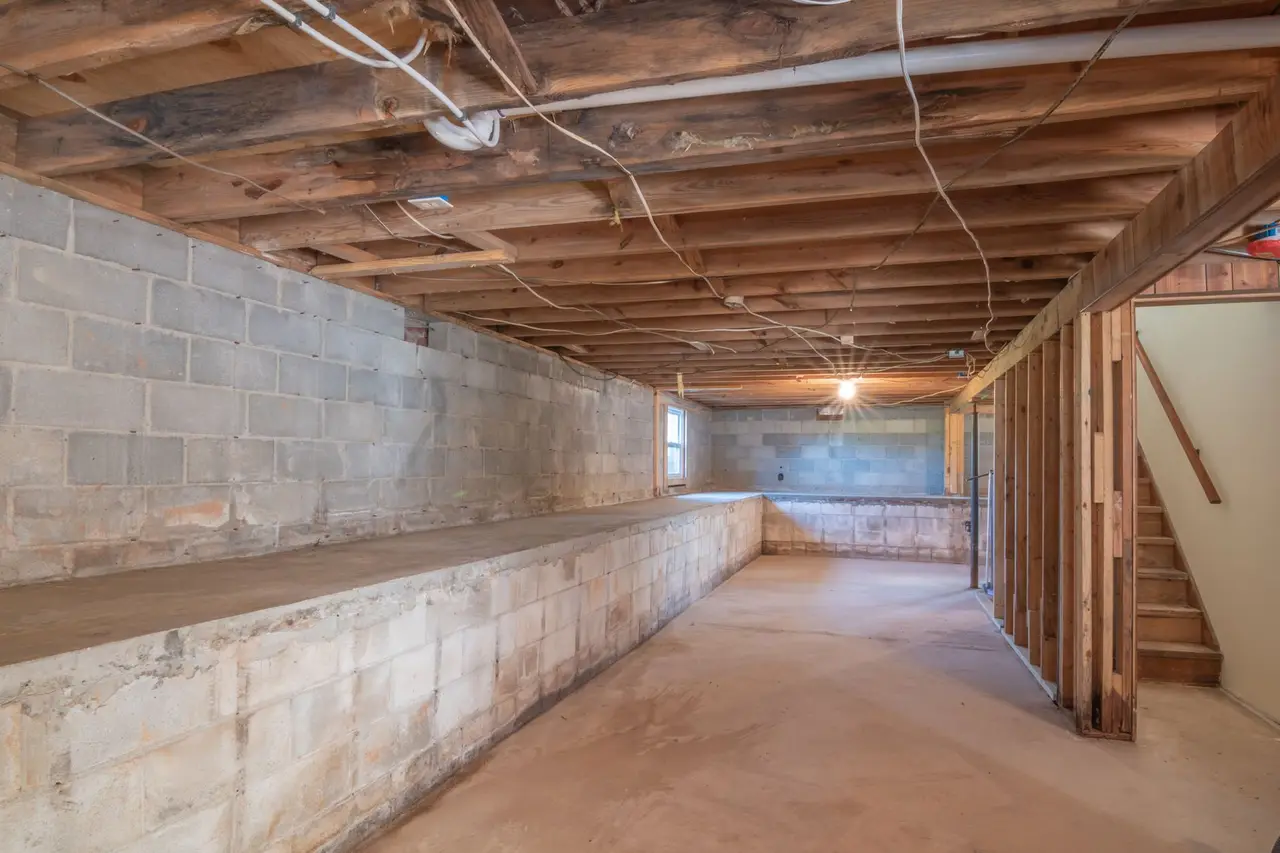
Basement Mold Remediation in Dallas is what we do when a finished or unfinished lower level smells musty, shows dark staining, or has been through a water event. We serve homeowners and property managers across Dallas County with basement mold removal Dallas Texas residents can schedule fast. If your basement flooded last spring or your dehumidifier has been running nonstop, call us and we will tell you what it takes to fix it.
 Moisture mappingContainment setupClearance testing
Every basement job starts with an inspection and a written scope. The inclusions below are standard. If your job needs something extra, like HVAC cleaning or rebuild work, we will tell you before we start and price it separately.
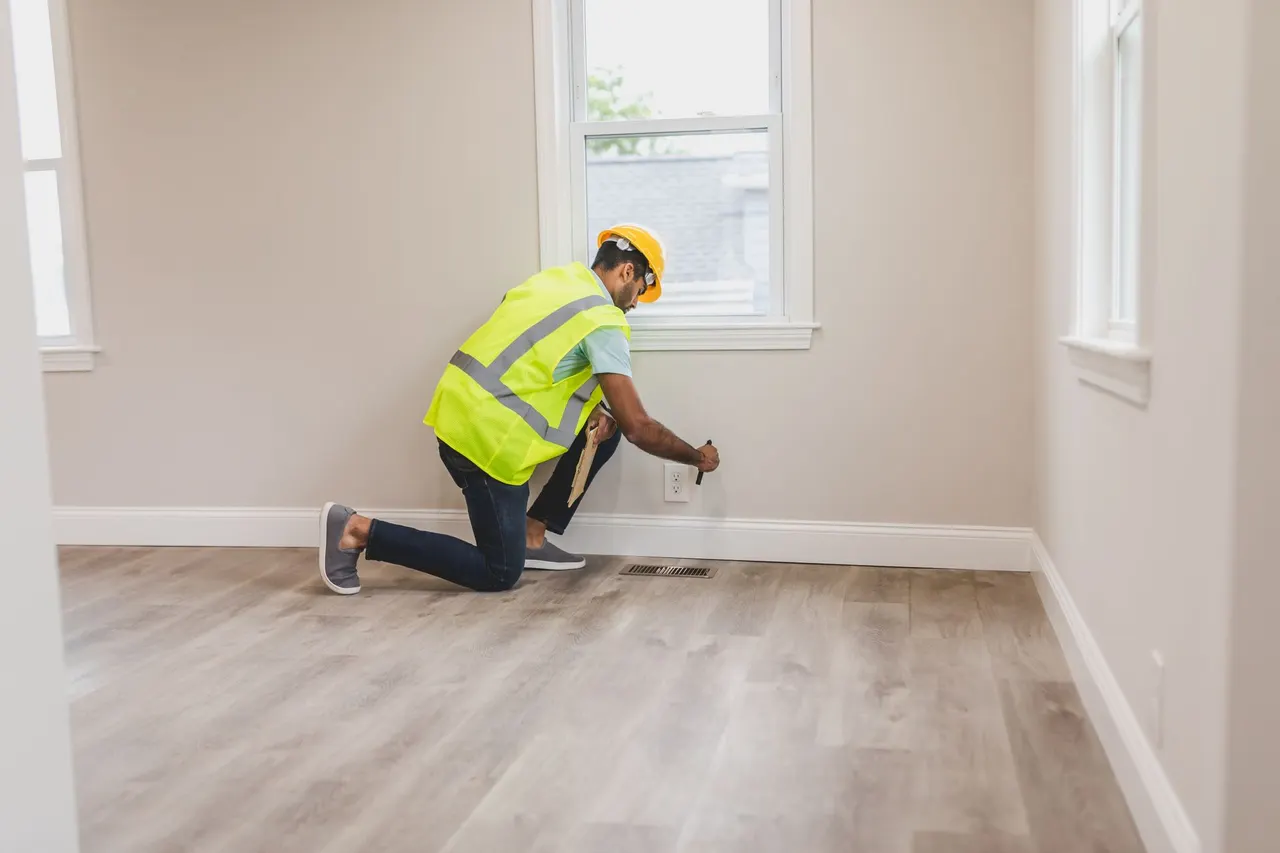
We use a moisture meter and thermal imaging camera to map the affected area and find the water source. We check the sump pit, water heater, washing machine connections, foundation walls, and HVAC drain. You get photos and readings.
We seal the work zone with polyethylene sheeting and duct sealant. A negative air machine with HEPA filters keeps spores from migrating upstairs. We also seal HVAC registers in the basement so the system does not pull contamination.
Saturated drywall, insulation, and baseboards come out and get bagged. We remove only what is too far gone. Concrete, block, and framing are cleaned and kept whenever possible to save you rebuild cost.
We HEPA vacuum all surfaces, then apply an antimicrobial spray to framing, concrete, and joists. For heavy growth, we use products like Fiberlock or Concrobium and follow with an encapsulation coating on porous surfaces.
We set Dri-Eaz or Phoenix Restoration dehumidifiers and air movers, check readings daily, and do not pull equipment until the structure is dry. Final clearance testing with an independent lab confirms the air is clean.
You get a plan for preventing basement mold in Dallas Texas, including dehumidifier sizing, humidity targets, gutter checks, and a seasonal maintenance calendar. We also note any repairs you should make, like fixing a sump pump or regrading soil.
The approach is the same for a home and a business. What changes is the access, the schedule and who needs the paperwork.
We protect your floors and belongings and keep the work zone sealed. You get a fixed price and a prevention plan before we leave.
We work around tenant schedules and document everything for property managers. Your storage area or office basement gets back in service fast.
A plain-language look at what Basement Mold Remediation involves and when it is needed.
See how it worksBasement Mold Remediation in Dallas is the process of containing a contaminated lower level, removing mold-damaged materials, cleaning the structure, and drying everything back to normal moisture levels. We set up polyethylene sheeting to isolate the work zone, run a negative air machine with HEPA filters so spores do not drift upstairs, and use a thermal imaging camera and moisture meter to find water hiding behind drywall and under flooring. Affected drywall, insulation, and baseboards come out. Then we clean the framing and concrete with an antimicrobial spray and an encapsulation coating where it makes sense.
Most Dallas basements get mold because of water that never fully left. A slab leak, a failed sump pump, a washing machine hose that let go, or a roof leak that ran down the wall can all leave the lower level damp for weeks. Our humidity swings from 70 percent in May to 30 percent in January, and that cycle pushes moisture through concrete block and slab. If you have been searching for basement mold remediation near me Dallas TX, the first thing we do is find the water source so the mold does not come right back after we clean.
Finding the water source first is what makes basement mold remediation work.
Every job follows the same five steps. You will know what is happening, how long it takes, and what it costs before we start. Most basements take two to five days from containment to final clearance.
We walk the basement with a moisture meter and thermal imaging camera, check the HVAC closet, and look behind baseboards with a boroscope if needed. Air samples go to a lab if you want third-party confirmation of the mold type. This visit takes 45 to 90 minutes, and you get a written scope with photos the same day.
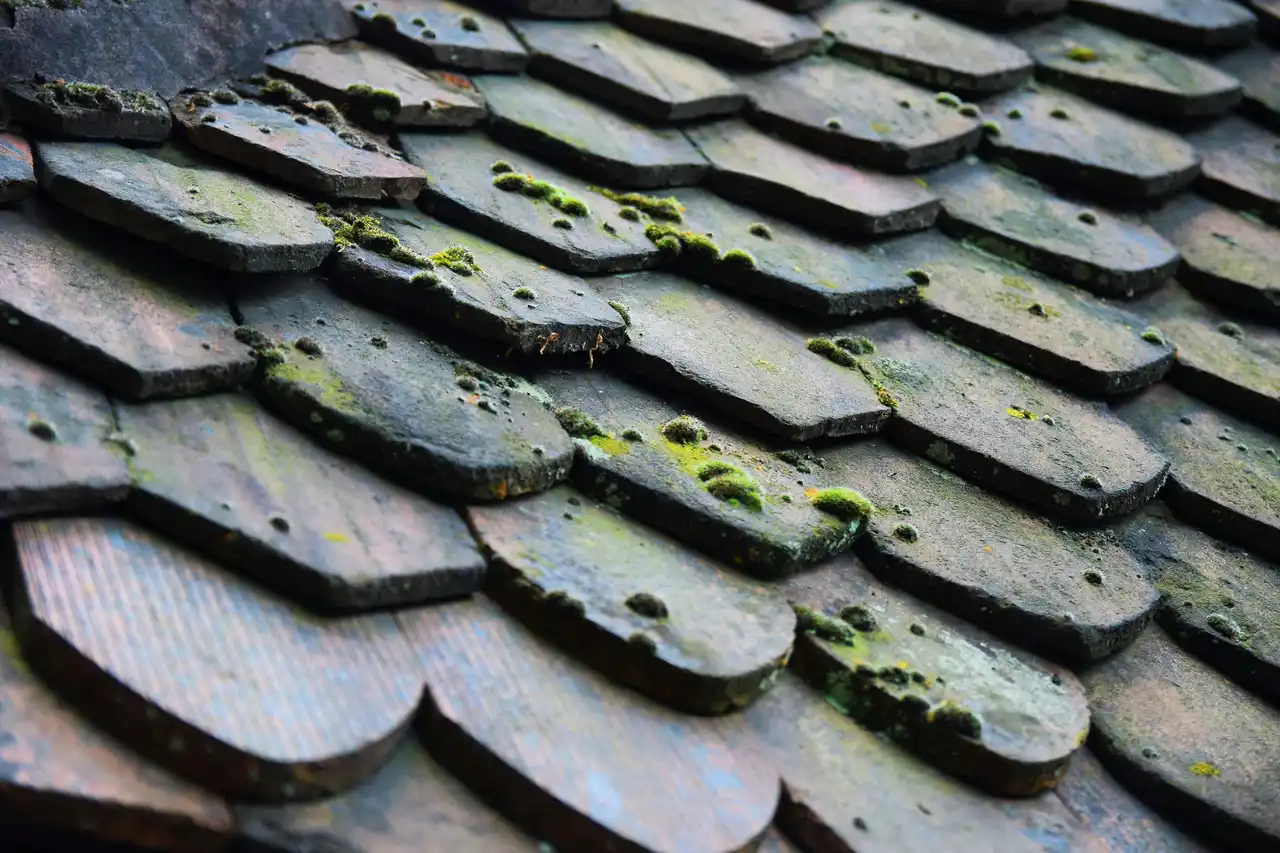
We hang polyethylene sheeting from floor to ceiling and seal the edges with duct sealant. A negative air machine pulls air out through HEPA filters so spores do not migrate upstairs. We also seal HVAC registers in the basement so the system does not pull contamination into the rest of the house. Setup takes two to four hours.
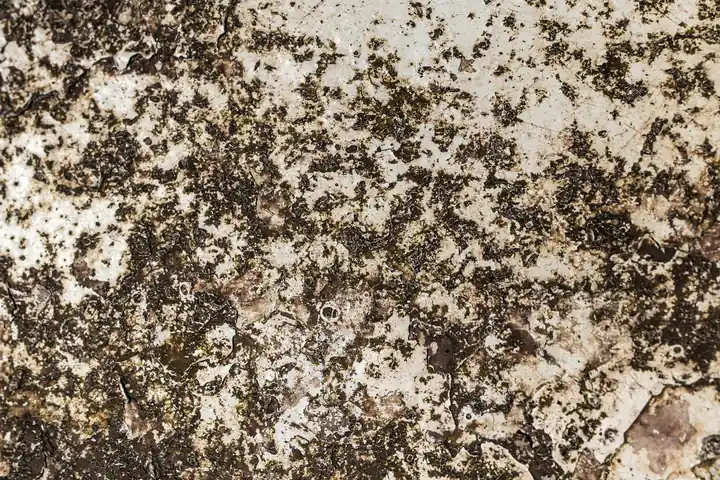
Damaged drywall, insulation, and baseboards come out and get bagged. We HEPA vacuum the framing and concrete, then apply an antimicrobial spray. For heavy growth on joists, we use products like Fiberlock or Concrobium and follow with an encapsulation coating. This is the longest phase, usually one to three days depending on square footage.
We set Dri-Eaz or Phoenix Restoration dehumidifiers and air movers to bring the structure back to normal moisture levels. We check readings daily and do not pull equipment until the wood and concrete are within range. Final clearance testing with an independent lab confirms the air is clean. Drying typically runs two to four days.
Once the space passes clearance, we can replace drywall with mold-resistant drywall, reinstall baseboards, and repaint. We also give you a written plan for preventing basement mold in Dallas Texas, including dehumidifier sizing, gutter maintenance, and sump pump checks. Rebuild scheduling depends on material lead times, usually one to two weeks out.
Move across a circle, or focus it and press Enter, for an illustrative thermal view of the photograph.
Finds temperature differences that indicate hidden moisture behind drywall, under flooring, and around foundation walls. We use it before we remove anything.

Measures moisture content in wood, drywall, and concrete. We log readings daily and do not pull drying equipment until materials are within normal range.
Creates negative pressure in the work zone so spores do not migrate to other parts of the house. We run it continuously during removal and cleaning.
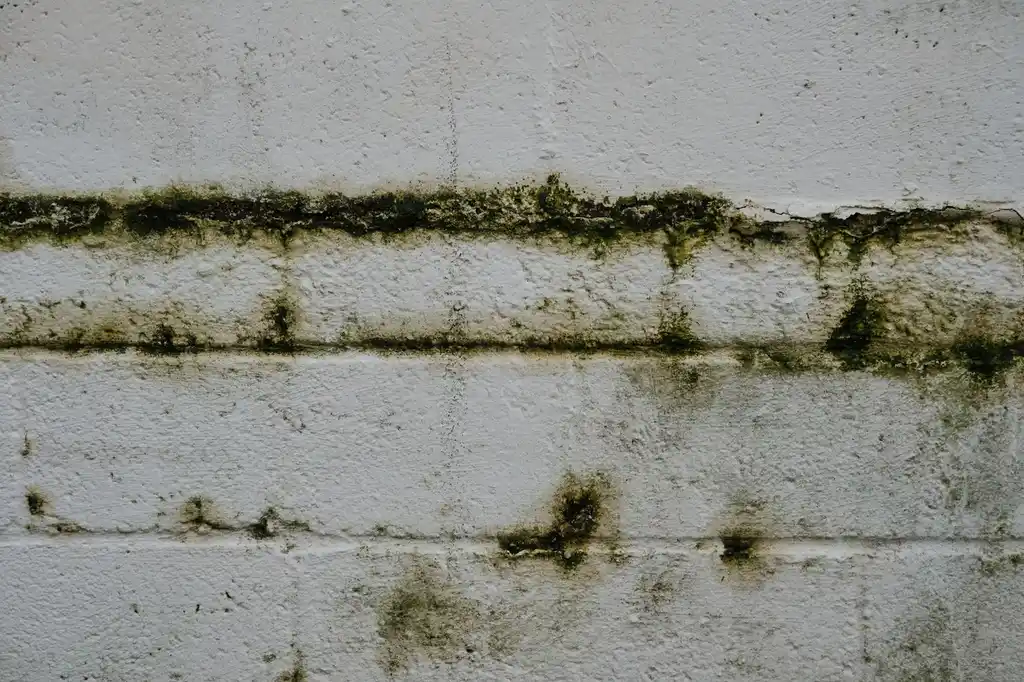
Captures mold spores and fine debris that a standard vacuum would spread. We vacuum all surfaces after removal and before applying antimicrobial spray.

Filters airborne spores and particles in the work zone. We run air scrubbers with HEPA filters during remediation and drying.
Thermal views are illustrative, generated from the photographs.
Removes moisture from the air and materials. We use Dri-Eaz and Phoenix Restoration units sized for the square footage of your basement.
Lets us see inside wall cavities without cutting large holes. We use it to check for hidden mold and moisture behind baseboards and inside framing.
This is the industry standard for mold remediation. It covers inspection, containment, removal, cleaning, and clearance. We follow it on every job, which means your remediation is done to a recognized benchmark.
We seal the work zone with polyethylene sheeting and duct sealant, then run a negative air machine with HEPA filters. This keeps spores from spreading to the rest of your home during removal and cleaning.
After removal and HEPA vacuuming, we apply an antimicrobial spray to framing and concrete. For porous surfaces, we use an encapsulation coating that seals the material and prevents future growth.
We work with an independent lab to take air samples after remediation. The lab compares indoor spore levels to outdoor levels. You get a written report showing the space is clean before we rebuild.
A finished basement flooded after a supply line burst while the family was on vacation.
We contain the area, remove saturated drywall and insulation, HEPA vacuum the framing, apply antimicrobial spray, and run dehumidifiers until moisture readings are normal. We photograph everything for the insurance claim and coordinate with the adjuster.
Outcome: The basement passes clearance testing, the family moves back into the space, and the claim is approved without delays.
A homeowner notices a musty smell in the basement but no visible water.
We inspect with a moisture meter and thermal imaging camera, find the hidden leak behind the baseboards, and trace it to a slow plumbing drip. We remove the affected drywall, treat the framing, and recommend a plumber for the repair.
Outcome: The smell is gone, the leak is fixed, and the homeowner avoids a larger mold problem down the road.
A property manager needs emergency basement mold cleanup Dallas TX after a storm flooded the storage area.
We respond same day, set up containment and negative air, remove damaged materials, and run drying equipment. We document everything for the property owner and insurance, and we work around tenant schedules.
Outcome: The storage area is back in service within a week, and the insurance claim is supported with photos and moisture logs.
A homeowner wants to finish their basement but sees mold on the concrete walls.
We remediate the mold, fix the water source, and verify clearance. Then we recommend mold-resistant drywall, a bottom plate detail that keeps wood off the concrete, and a properly sized dehumidifier.
Outcome: The basement is ready for finishing, and the homeowner has documentation showing the space is clean and dry.
A real estate agent needs a basement inspected before closing on an older Dallas home.
We inspect the basement, test for mold, and provide a written report with photos and lab results. If remediation is needed, we give a fixed price so the buyer and seller can negotiate.
Outcome: The closing stays on schedule, and the buyer knows exactly what they are getting.

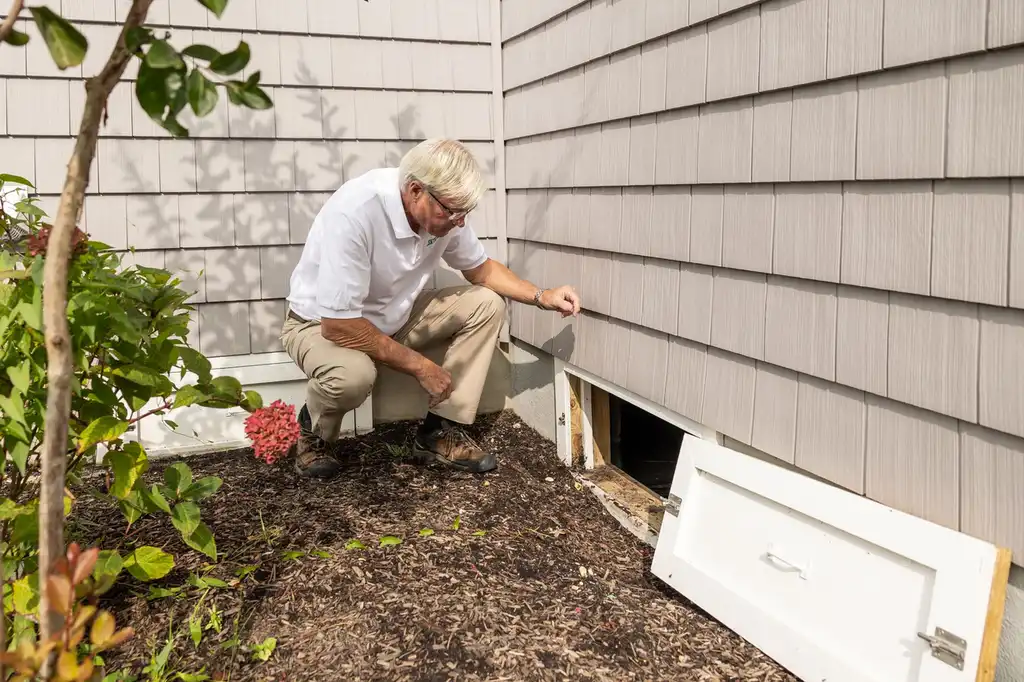
Dallas basements deal with a specific set of conditions. Our summers push humidity above 70 percent, and our winters dry out to 30 percent. That swing pulls moisture through concrete block and slab, which is why we see mold on basement walls even when there is no visible leak. Older homes in Oak Cliff and East Dallas often have pier-and-beam foundations with crawl spaces that feed moisture into the basement.
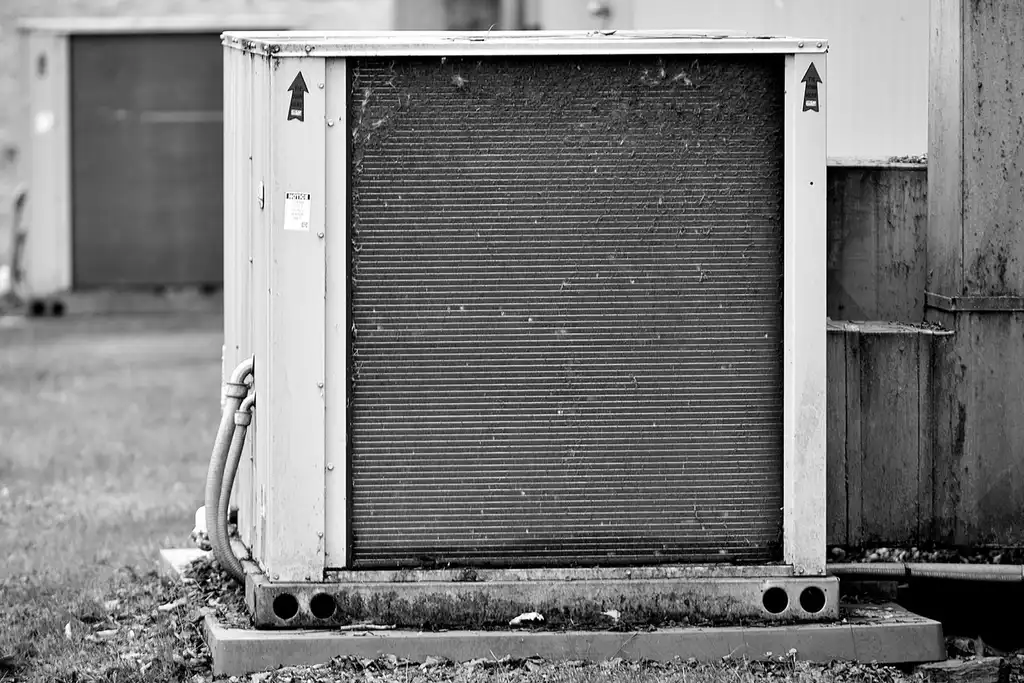
Newer builds in North Dallas and Preston Hollow have finished basements with HVAC closets that can pull spores into the ductwork. We also see a lot of slab leaks and failed sump pumps after heavy spring rains. For basement mold treatment Dallas TX projects, we always check the HVAC system, the sump pit, and the foundation drainage before we quote the job.
If you are searching for how to remove basement mold in Dallas Texas, the answer starts with finding the water source. We handle that first, then remediate, then give you a prevention plan that fits Dallas weather.

Before: A supply line burst while the family was on vacation. The finished basement had two inches of standing water, saturated drywall up to 18 inches, and visible mold on the baseboards. The musty smell had spread upstairs.
After: We removed 120 square feet of drywall, treated the framing with antimicrobial spray, and ran dehumidifiers for four days. Clearance testing came back clean. The basement was rebuilt with mold-resistant drywall and back in use within three weeks.
We recommended a water leak alarm near the supply line and a dehumidifier sized for the square footage. The homeowner checks the alarm monthly and runs the dehumidifier from May through September.
Before: The homeowner noticed a musty smell but no visible water. A moisture meter and thermal imaging camera found moisture behind the baseboards from a slow plumbing leak. Mold had been growing for months on the drywall and framing.
After: We removed the affected drywall, HEPA vacuumed the framing, applied an encapsulation coating, and coordinated with a plumber to fix the leak. The smell was gone within 48 hours. Clearance testing confirmed the air was clean.
The homeowner now checks under the sink monthly and runs a dehumidifier in the basement. We also recommended a moisture meter for early detection.
Before: A storm flooded a 12-unit building's basement storage area. Cardboard boxes, old furniture, and drywall were soaked. Mold was visible on the walls within three days. Tenants were complaining about the smell.
After: We contained the area, removed damaged materials, ran air scrubbers and dehumidifiers for five days, and documented everything for insurance. The storage area was back in service within a week. The claim was approved without pushback.
The property manager installed a sump pump backup and scheduled annual inspections before storm season. We also recommended raising stored items off the floor.
Most basement mold calls come down to one of these five problems. We have seen them all over Dallas County, and we know how to fix them without tearing your house apart.
A dry, clean basement you can use again without the smell.
That musty odor is microbial volatile compounds coming off active growth. We remove the source, run air scrubbers with HEPA filters, and treat the framing with an antimicrobial spray. Most customers notice the smell is gone within 24 to 48 hours after we finish. If the HVAC system pulled spores upstairs, we can clean that too.
Cleaning mold without stopping the water is a waste of money. We trace the leak with a moisture meter and thermal imaging camera before we remove anything. If it is a plumbing leak, we tell you what we found and coordinate with your plumber. If it is groundwater, we recommend basement mold remediation and waterproofing Dallas solutions so the problem stays solved.
Concrete, block, and framing can usually be cleaned and kept. We remove only what is too far gone, like saturated drywall and insulation. That keeps your rebuild cost down. On a typical 500 square foot finished basement, saving the framing instead of replacing it can cut the project cost by thousands of dollars.
We photograph the affected area, log moisture readings, and note the water source. That documentation supports a claim if your policy covers the event. We have worked with most major carriers and can explain what we see in plain terms. If your policy excludes long-term seepage, we tell you that upfront so you are not surprised.
Clear records you can keep and share.
Before and after photos of affected areas
Daily readings from inspection through drying
Written scope with fixed price and inclusions
Lab results confirming air is clean
Not all mold growth is the same. The level of contamination determines how much containment and removal is needed.
Growth on visible surfaces like walls or baseboards
Growth inside wall cavities or under flooring
Growth spread through HVAC or multiple rooms
A list like this tells people straight away whether you cover their street. Not listed? Call and ask: it only takes a minute.
Based in Dallas and covering the places around it. Pick one for local details.
We give you a fixed price after the inspection, so you know the number before we start.
Almost always because of water that did not dry out. Dallas humidity swings from 70 percent in spring to 30 percent in winter, and that cycle pushes moisture through concrete. Common sources we find are slab leaks, failed sump pumps, washing machine hoses, water heater pans, roof leaks that run down the wall, and HVAC condensate lines. If the basement stays above 60 percent relative humidity for more than 48 hours, mold can start growing.
Yes, once the space passes clearance testing and the water source is fixed. We recommend waiting until moisture readings are back to normal, which is usually 12 to 14 percent on a wood moisture meter. Then use mold-resistant drywall, keep the bottom plate off the concrete, and size a dehumidifier for the square footage. We can handle the rebuild or work with your contractor. Do not close up the walls until you have clearance documentation.
It depends on the cause. Sudden events like a burst pipe or water heater failure are often covered. Long-term seepage, poor maintenance, and flooding are usually excluded unless you have separate flood insurance. We document the water source, photograph the damage, and log moisture readings so your adjuster has what they need. We can also talk to your carrier directly. If the claim is denied, we will explain why and what your options are.
Other services from the same team.
We have served Dallas County since 2015. Call now and we will schedule an inspection, give you a fixed price, and tell you exactly what the job involves. Same-day appointments are often available.
Call (214) 817 0145 or email [email protected] to schedule an inspection. We answer the phone Monday through Friday, 8:00 AM to 6:00 PM, and we return after-hours messages first thing the next morning. Same-day inspections are available across Dallas County when you call before noon.