For Homes
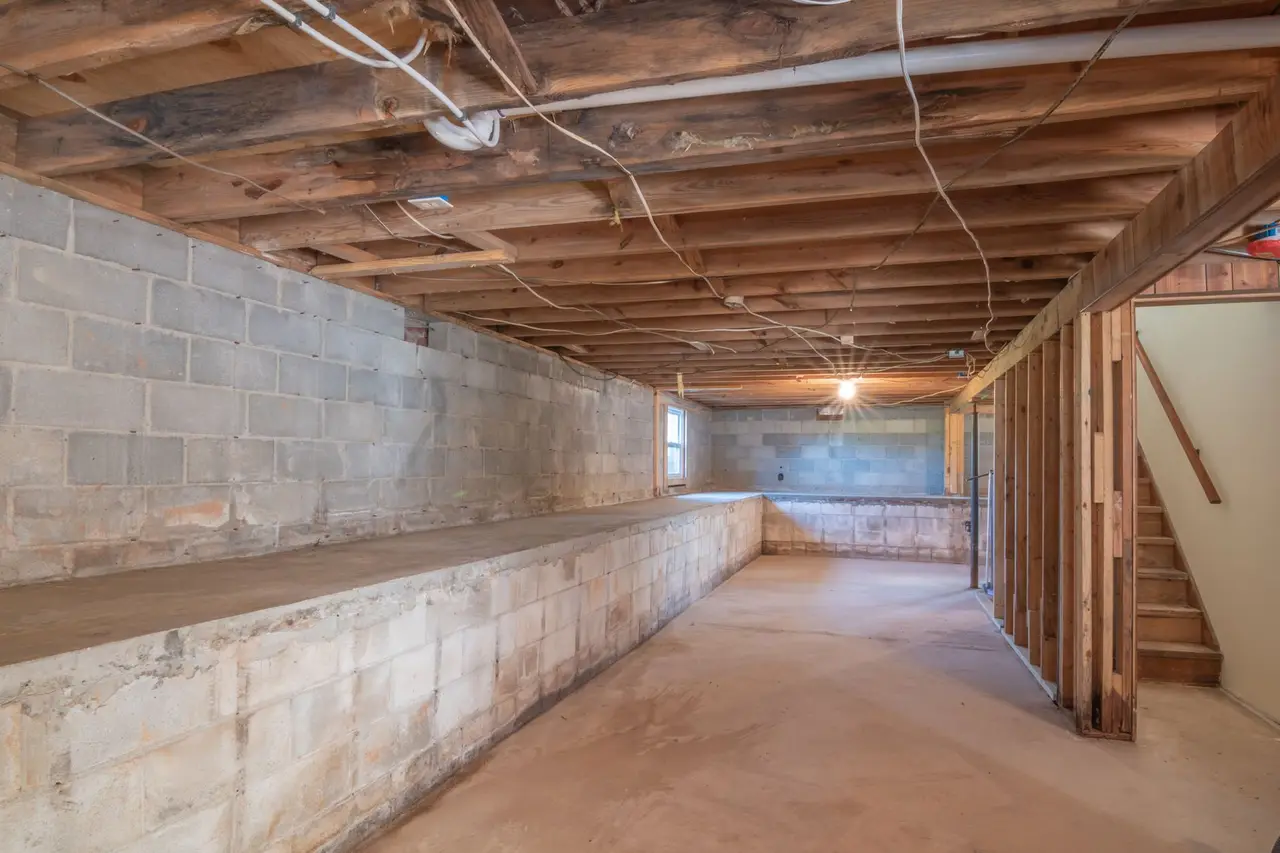
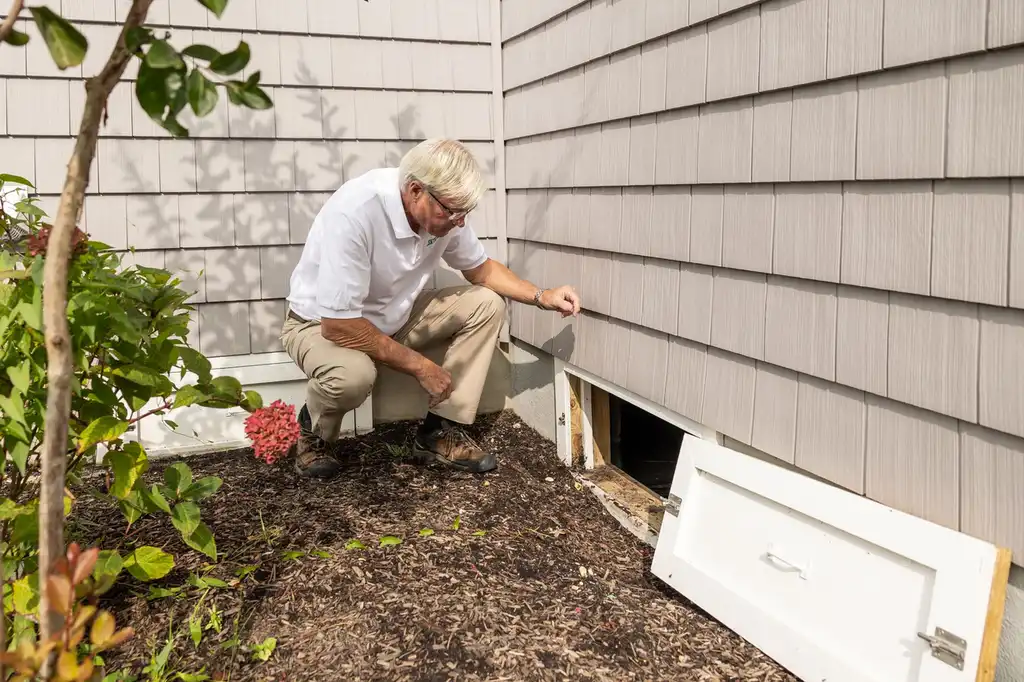
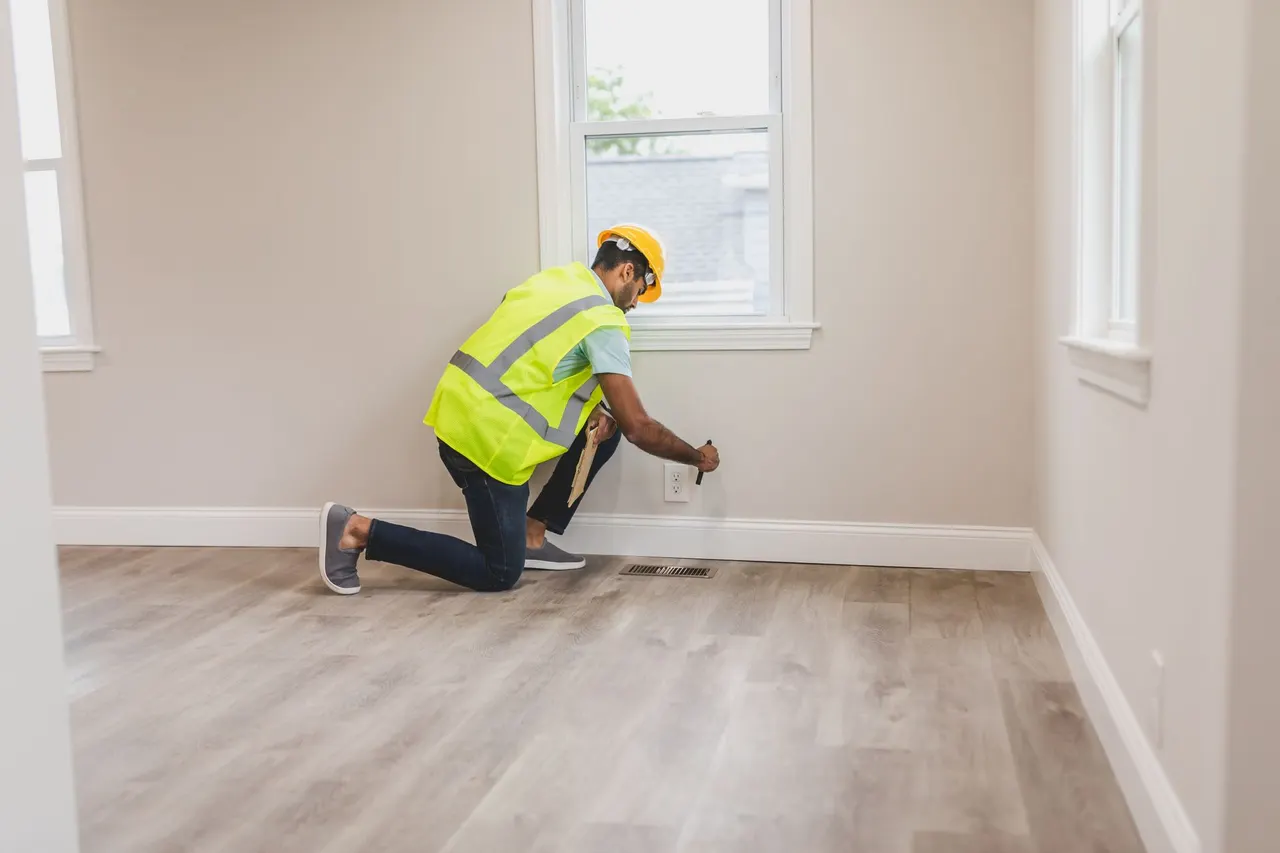
We inspect attics, crawl spaces, and HVAC closets where moisture hides. You get a report with lab results and a plain-language summary.
- Musty odor in a room
- Past water damage
- Roof or plumbing leak
Mold Inspection and Testing Dallas TX starts with finding where moisture is getting in, not just where the stain shows. We inspect attics, crawl spaces, HVAC closets, and the walls behind your kitchen and baths, then take air and surface samples to confirm what is growing. Homeowners, landlords, and property managers across Dallas County call us when a musty odor or a past leak needs a straight answer.
 Moisture readingsAir samplesWritten report
Every inspection includes a visual assessment, moisture mapping, air and surface sampling, and a written report with lab results. Remediation, if needed, is quoted separately after you have the report. Here is what you get.
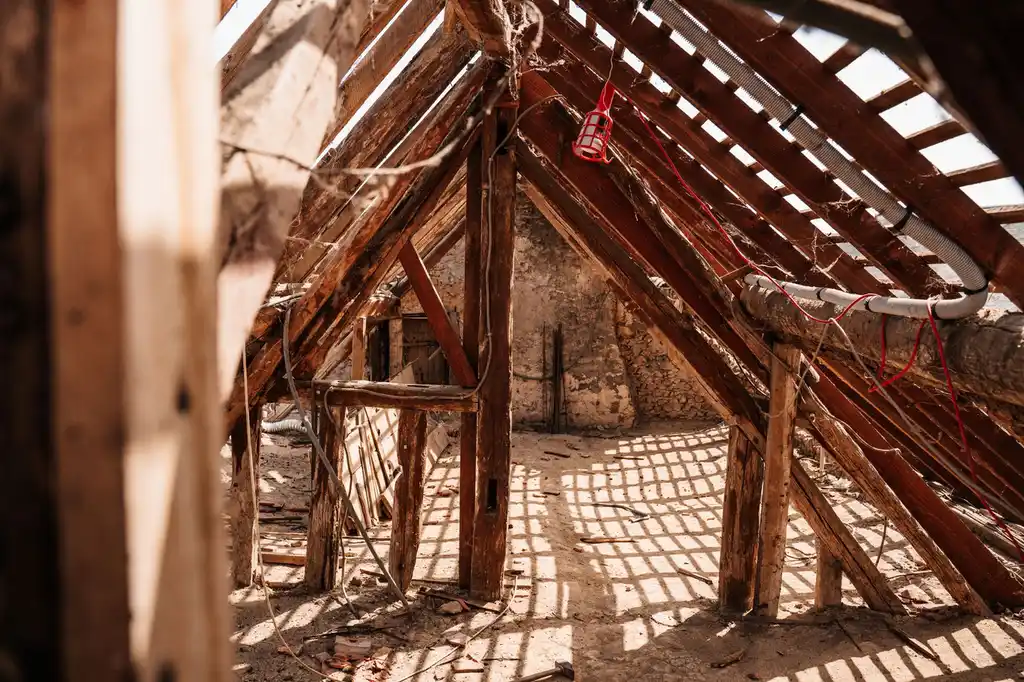
A room-by-room walk-through of the property, including attics, crawl spaces, HVAC closets, and areas under sinks and behind appliances. We note visible growth, staining, warped materials, and any conditions that could feed mold.
We use a moisture meter and thermal imaging camera to find hidden moisture in walls, ceilings, and floors. A boroscope lets us check inside wall cavities without cutting. This step separates active leaks from old, dried stains.
Air samples are collected with a calibrated pump, including one outdoor baseline and one or more indoors. Surface samples are taken from any visible growth.
You receive a report with photos, sample locations, lab results, and a plain-language summary. If remediation is needed, the report includes a scope of affected materials. If it is not, that is stated in writing.
When lab results arrive, we call you to explain what they mean. You can ask questions about specific rooms or materials. If you need the report formatted for an insurer or property manager, we can provide that.
The approach is the same for a home and a business. What changes is the access, the schedule and who needs the paperwork.
We inspect attics, crawl spaces, and HVAC closets where moisture hides. You get a report with lab results and a plain-language summary.
We inspect offices, restaurants, and multi-unit buildings. Reports are formatted for property managers and insurers.
A plain-language look at what Mold Inspection and Testing involves and when it is needed.
See how it worksMold inspection and testing is a two-part job: a visual assessment of the building and lab analysis of the air and surfaces inside it. A trained inspector walks the property with a moisture meter and thermal imaging camera, checking for condensation, roof leaks, plumbing leaks, and HVAC mold that does not always show on the surface. Results come back with spore types and counts, so you know whether you are looking at black mold, a common allergen, or nothing at all.
Dallas homes and commercial buildings see wide humidity swings, and that is what drives most of the calls we get. A roof leak after a spring storm, a slow supply line under a slab, or an AC drain pan that overflows in August all leave wet material behind. If you have been searching for mold inspection and testing near me Dallas TX, the goal is the same: confirm whether growth is present, how far it spreads, and what it will take to fix it. We also handle commercial mold inspection Dallas TX for offices, restaurants, and apartment buildings where a single unit can affect shared air.
Testing tells you what is growing, where it is, and what it takes to fix it.
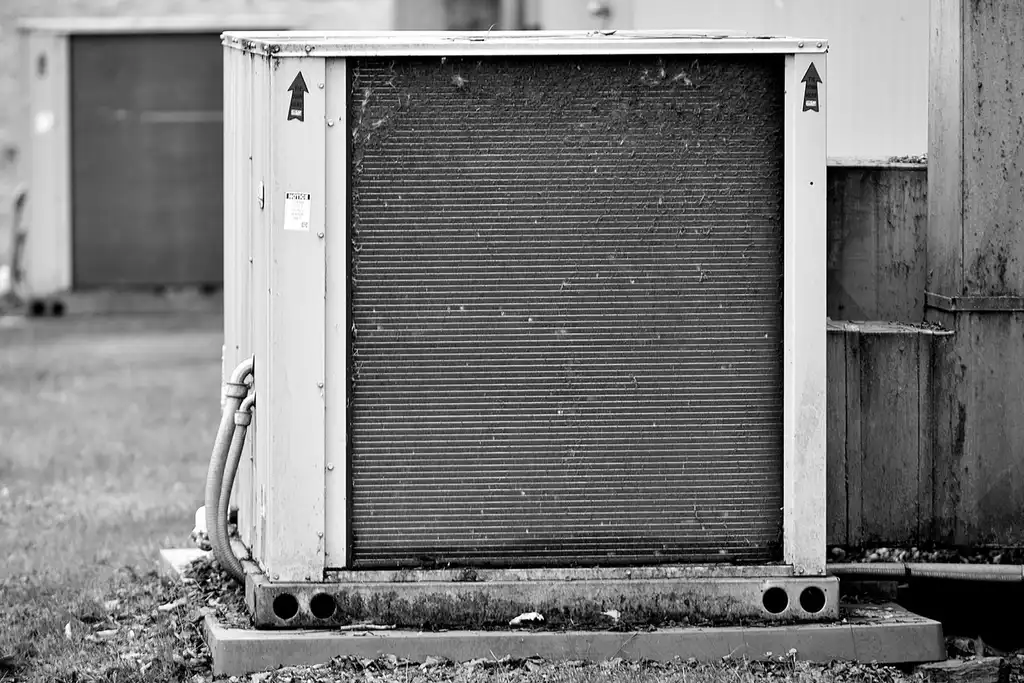
Most inspections take two to four hours depending on square footage and how many rooms we sample. Here is the sequence from your first call to the final report.
We ask what you have noticed: musty odors, a past water damage event, visible spotting, or a recent roof or plumbing leak. You tell us the address and the square footage, and we schedule a visit. Same-day mold testing Dallas Texas is often available when you call in the morning, and we confirm the window before we hang up.
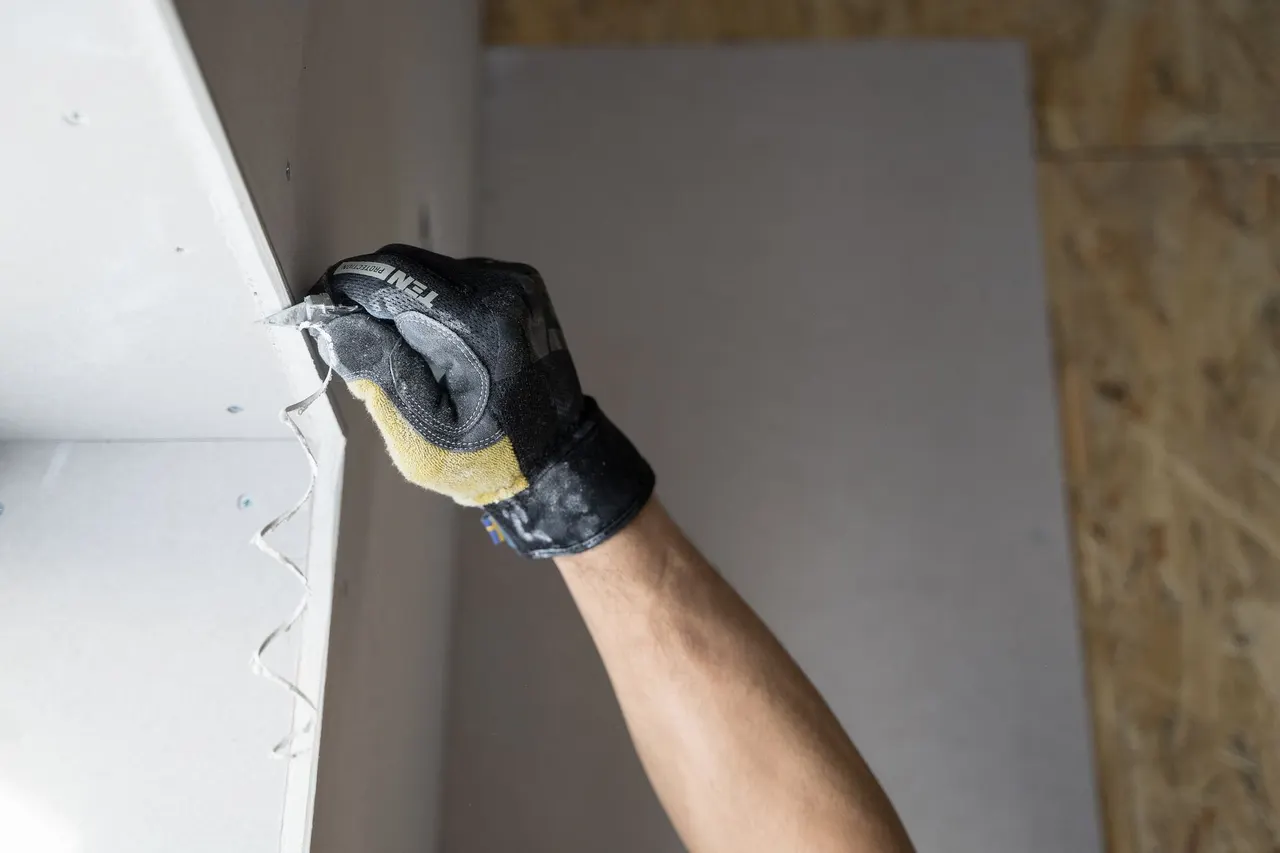
On arrival we do a room-by-room visual assessment, paying attention to attics, crawl spaces, HVAC closets, and the areas under sinks and behind appliances. We note any staining, warped baseboards, or peeling paint, and we ask about any repairs or leaks you have had in the past year.
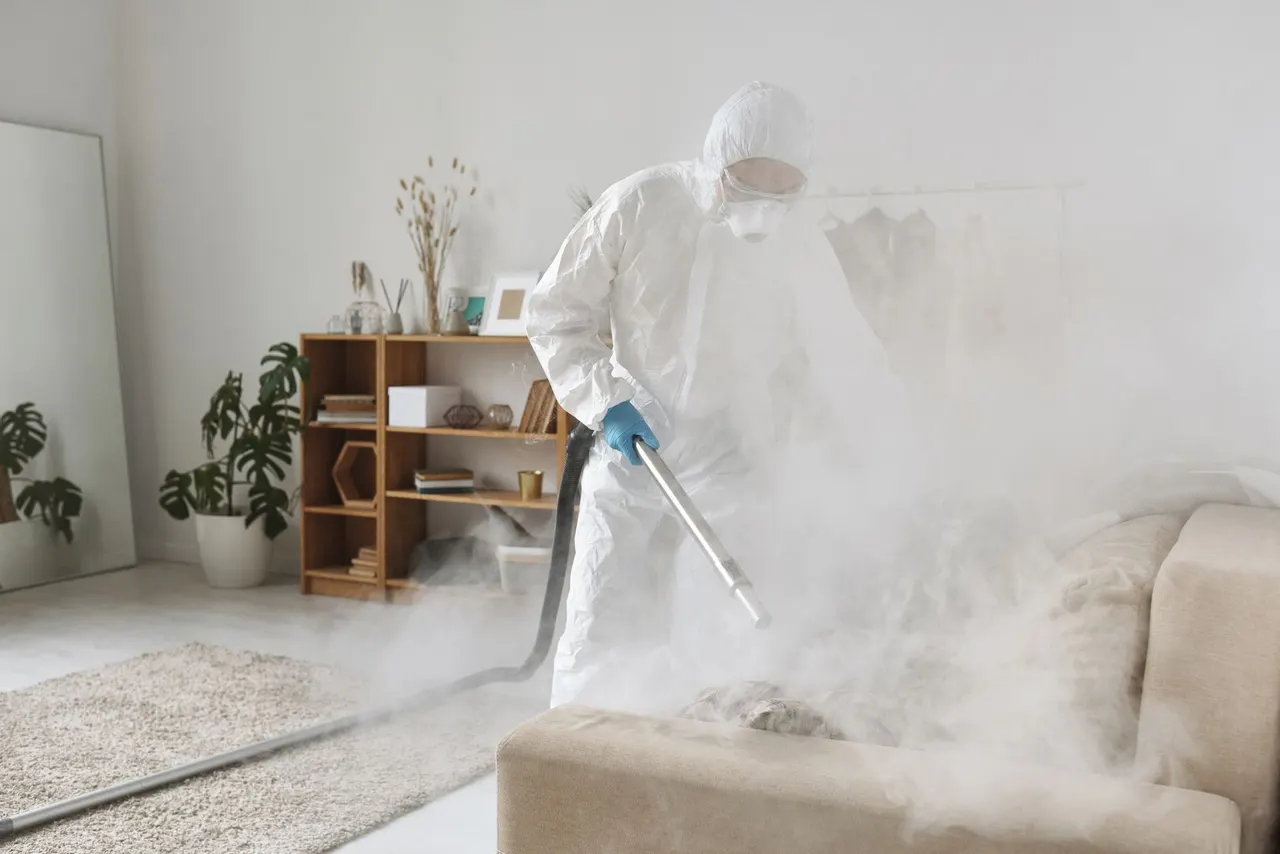
We use a moisture meter and thermal imaging camera to check walls, ceilings, and floors for hidden moisture. A boroscope lets us look inside wall cavities without cutting. This is where we separate an active leak from an old stain that has dried out, which changes what the report recommends.
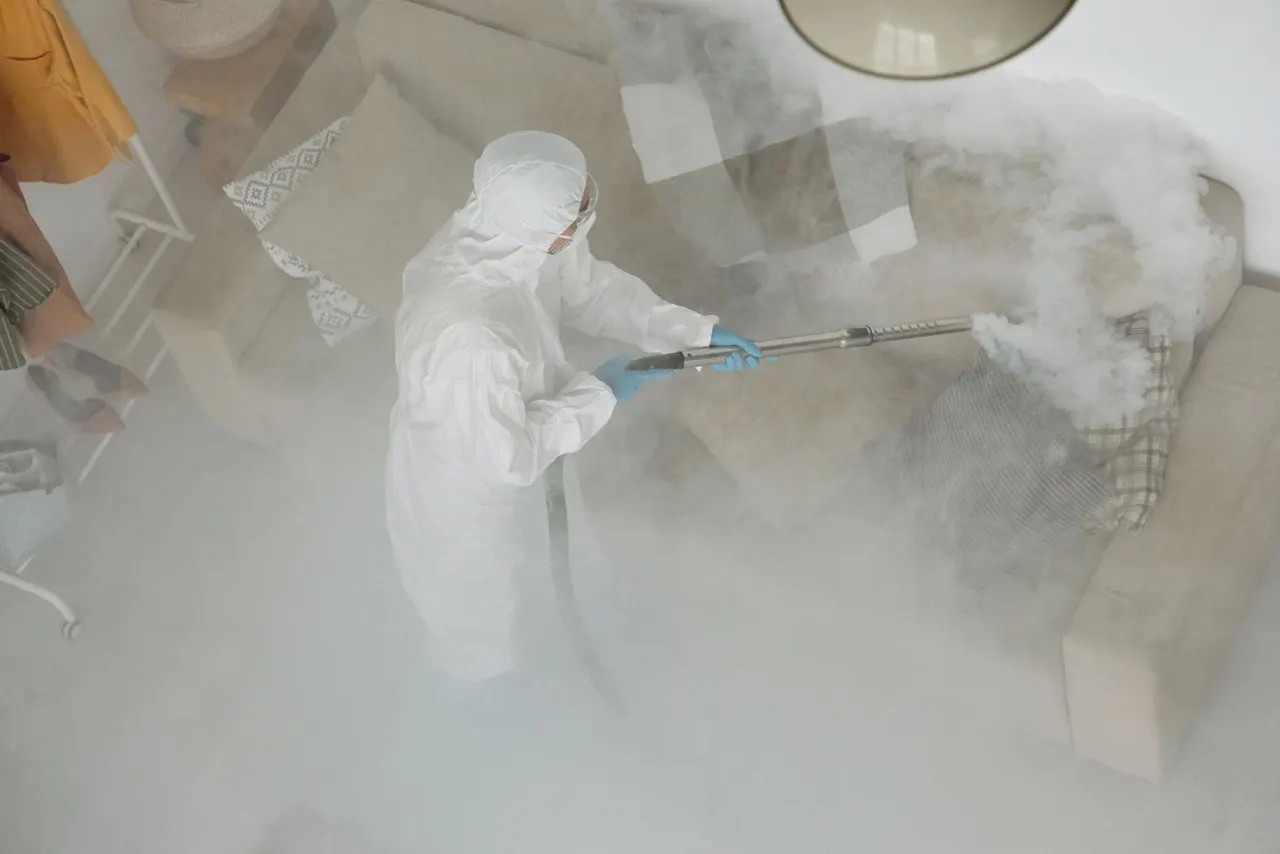
We run air samples with a calibrated pump, one outdoors for a baseline and one or more indoors, and take surface samples from any visible growth. Turnaround is typically two to three business days, and we call you when results land.
You receive a written report with photos, sample locations, lab results, and a plain-language summary. We walk you through what was found and what it means. If remediation is needed, the report includes a scope of affected materials; if it is not, you get that in writing too.
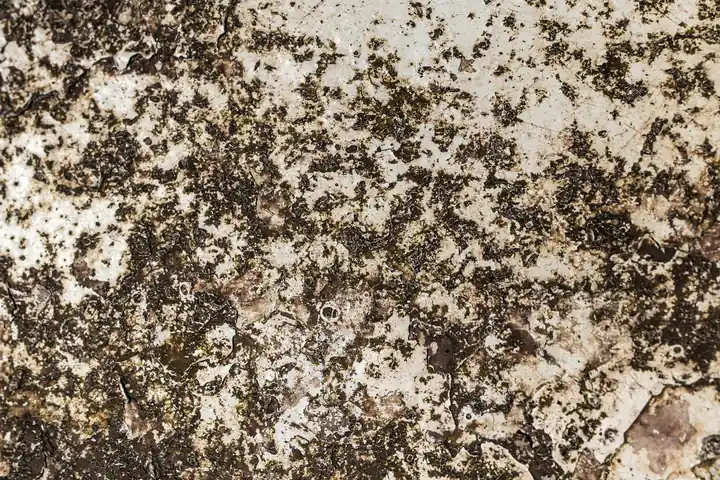
Move across a circle, or focus it and press Enter, for an illustrative thermal view of the photograph.

Detects temperature differences that reveal hidden moisture in walls, ceilings, and floors without cutting into the surface.
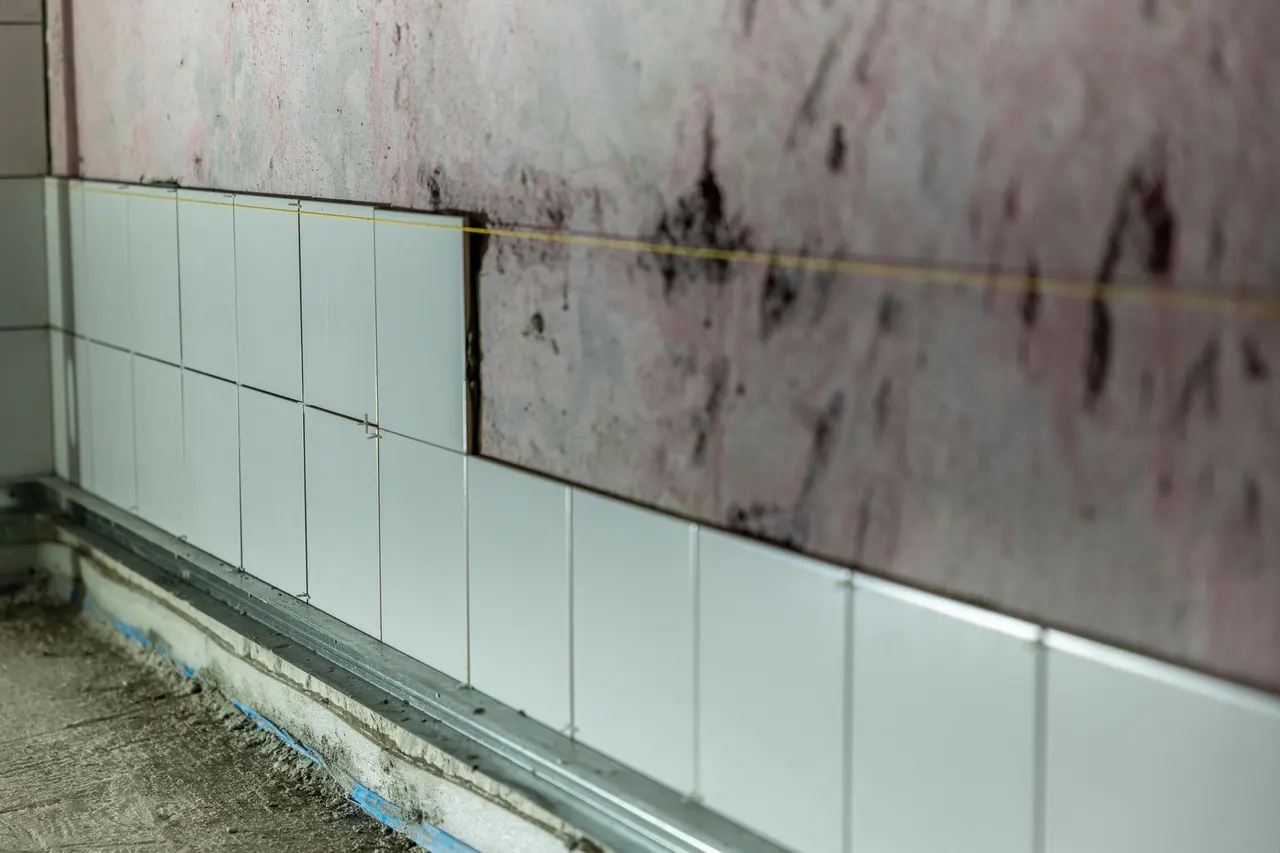
Measures moisture content in drywall, wood, and other materials to confirm whether an area is wet or has dried out.
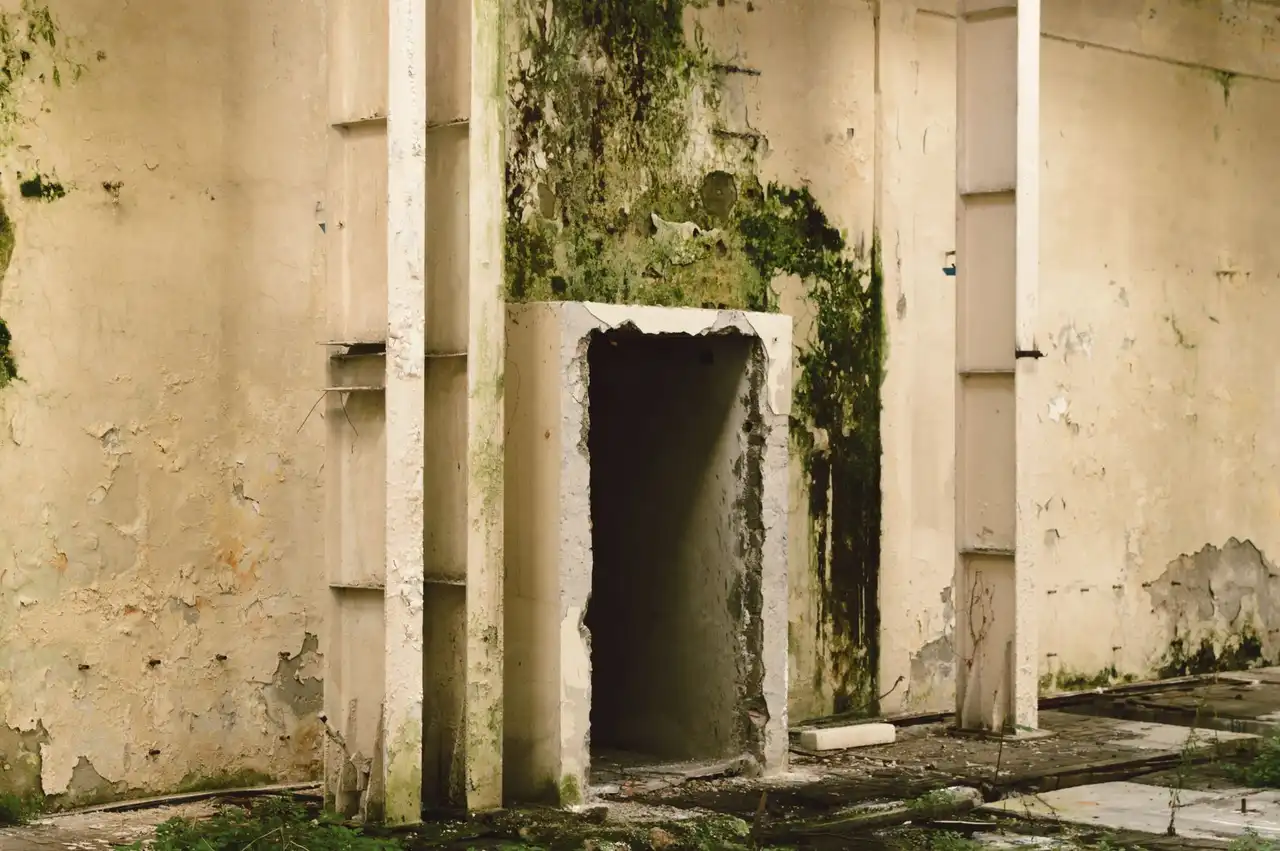
Allows us to look inside wall cavities and other enclosed spaces through a small opening, so we can check for growth without demolition.
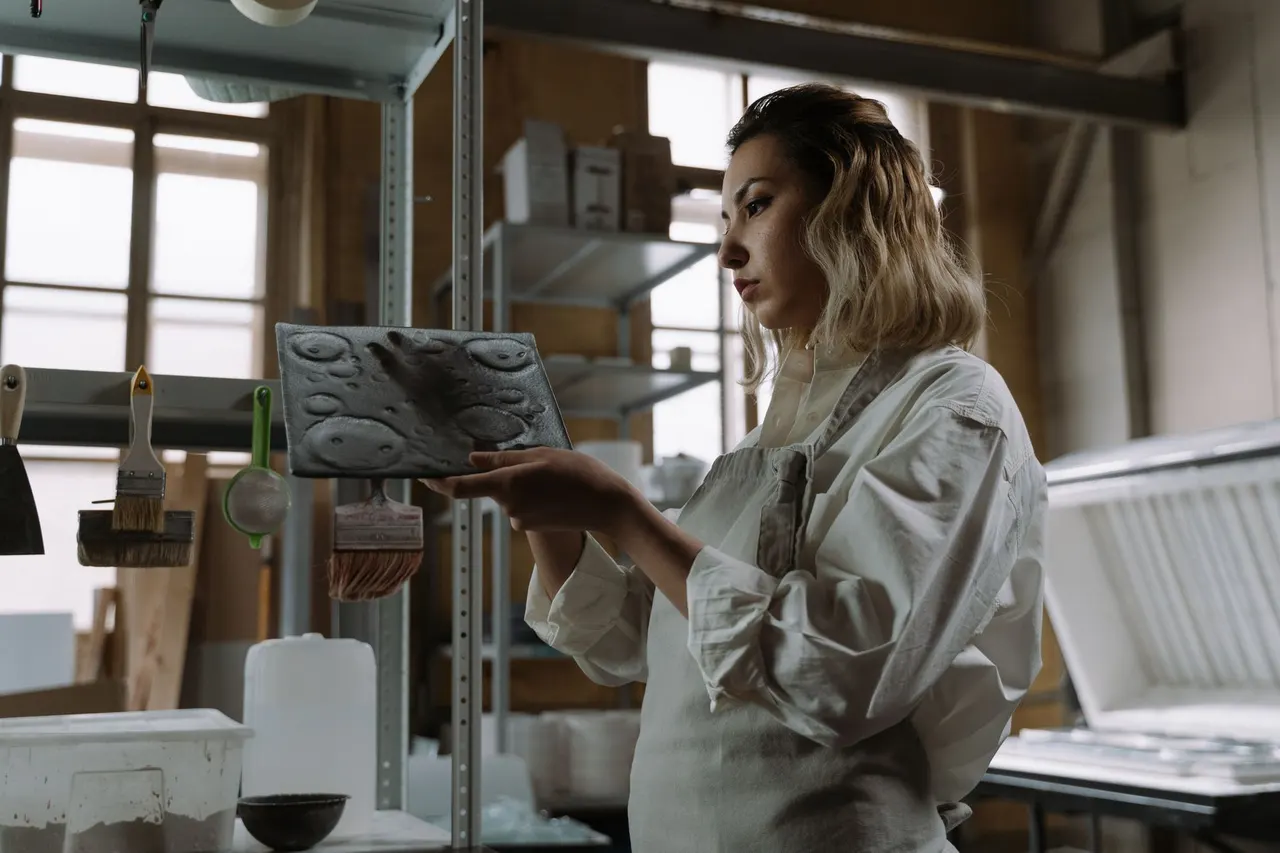
Collect material from visible growth so the lab can identify the spore types present.
Thermal views are illustrative, generated from the photographs.
Used during remediation to capture spores and debris, and during inspection cleanup if we disturb any suspect material.
Creates containment pressure during remediation so spores do not spread to unaffected areas of the building.
The industry standard for mold assessment and remediation. We follow it for moisture documentation, sample collection, and report formatting. It is the same standard insurers and property managers expect to see referenced.
We always take at least one outdoor air sample to establish a baseline for comparison. Indoor results are evaluated against that baseline, which is how the lab determines whether indoor spore levels are elevated.
We map moisture with a meter and thermal camera before taking samples. That tells us where to sample and helps distinguish an active moisture problem from an old, dried stain that does not need remediation.
We do not run the analysis in-house, which keeps the results independent and defensible for insurance or real estate use.
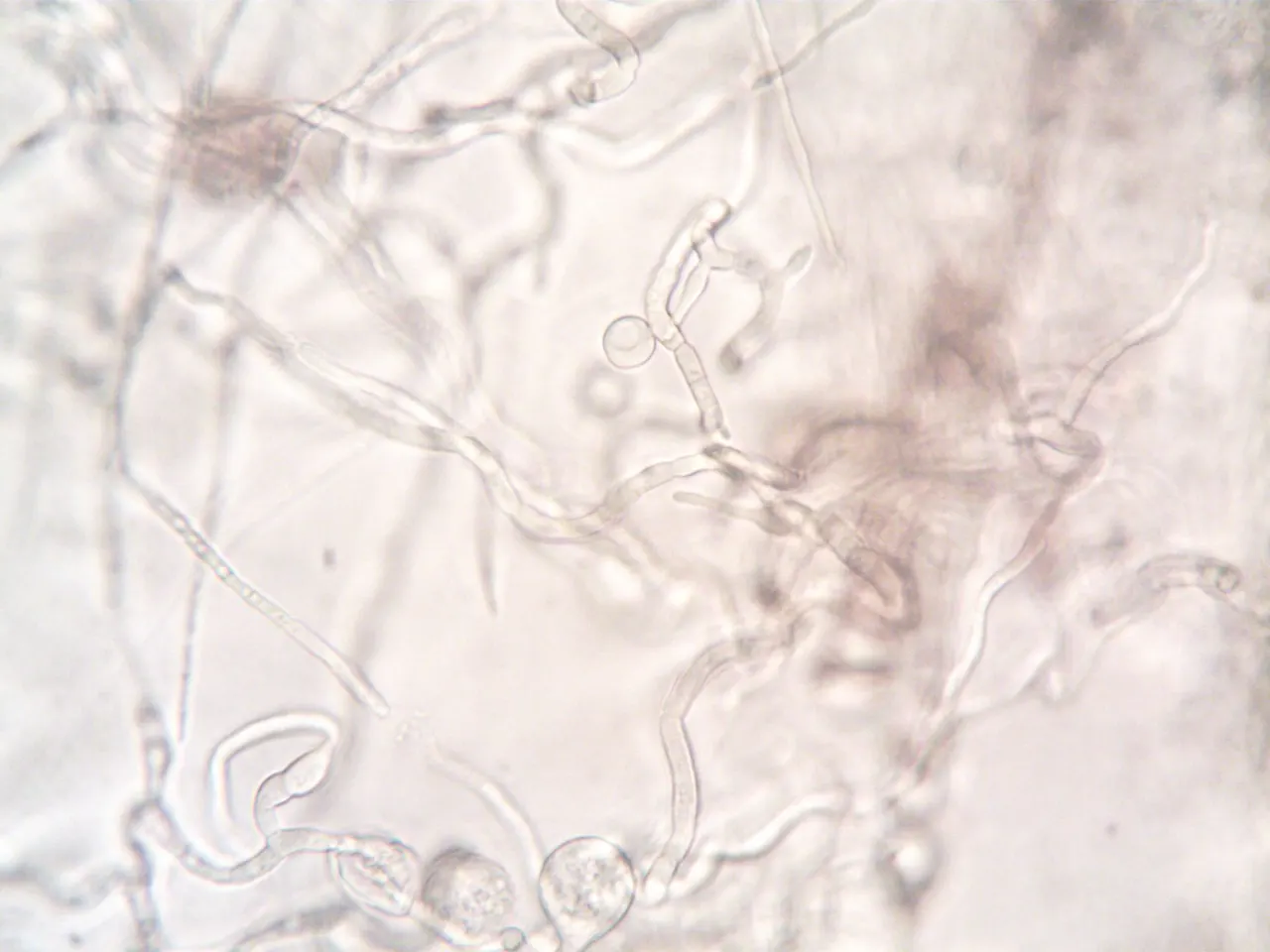
You are buying a home in Dallas and the inspection report mentions a musty smell or past water damage.
We inspect the areas flagged, take air and surface samples, and provide a report you can use in negotiations. If growth is present, the report scopes what it takes to correct it. If it is not, you have documentation that the property is clean.
Outcome: You know what you are buying and can ask for a credit or repair before closing.
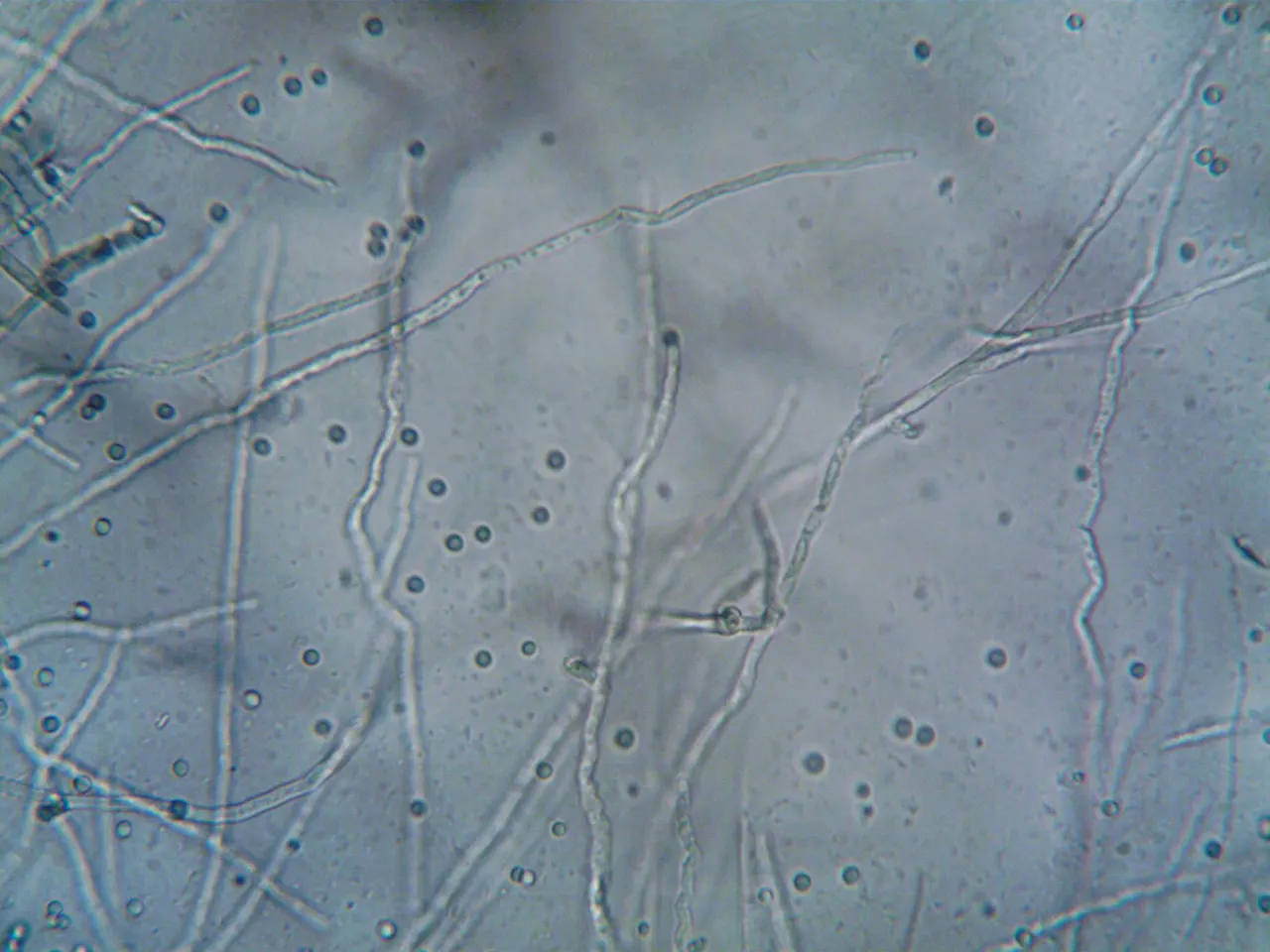
A tenant in your Dallas rental unit complains of a musty odor and you need documentation.
We inspect the unit and any shared walls or HVAC components, document findings with photos and moisture readings, and provide a report formatted for the owner or insurer. If remediation is needed, we scope it.
Outcome: You have a written record that shows the unit was tested and what was found.
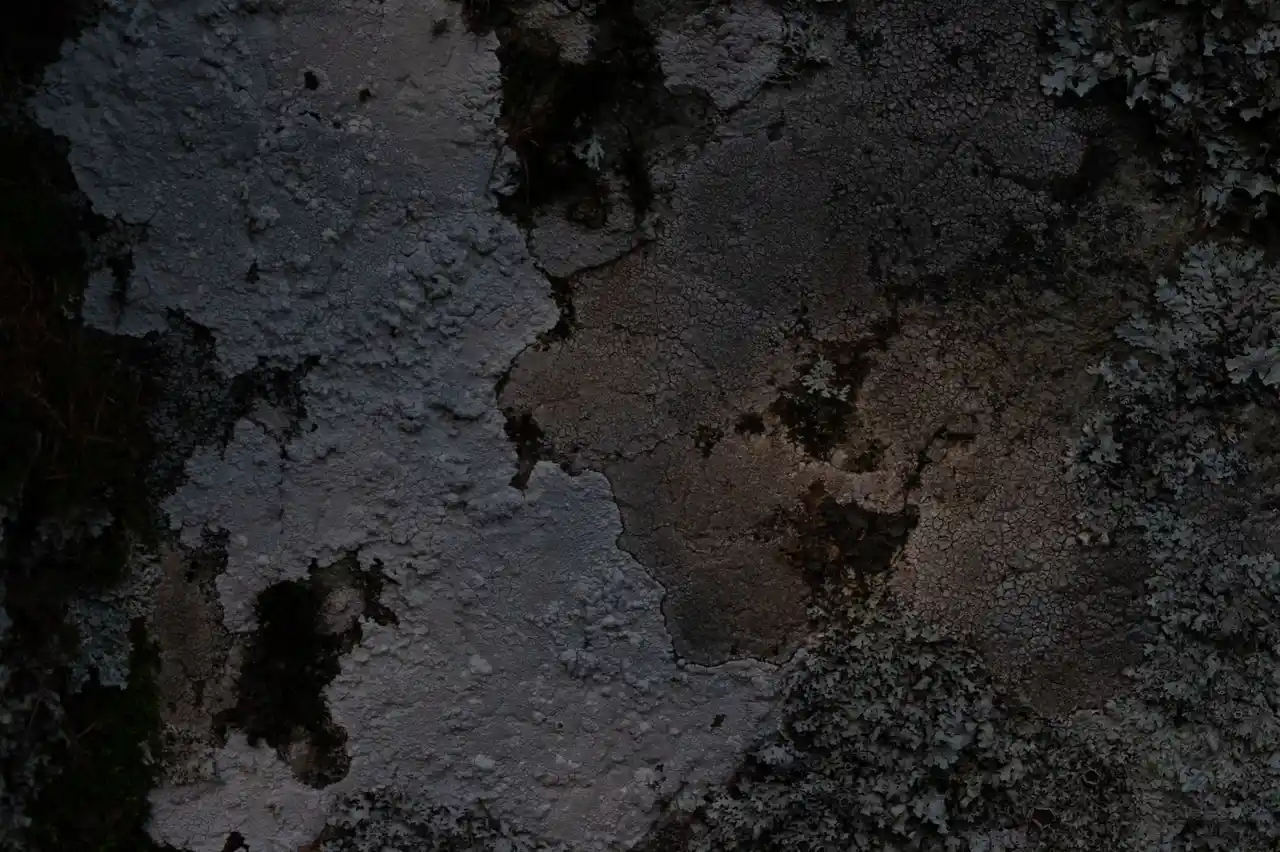
Your commercial building in Dallas had a roof leak and you want to know if mold is growing in the ceiling tiles.
We perform a commercial mold inspection Dallas TX, checking the affected ceiling area, insulation, and any ductwork above it. Air samples are taken in the space below. The report documents the extent and scopes remediation if needed.
Outcome: You can make a repair decision with lab results instead of guessing from a stain.
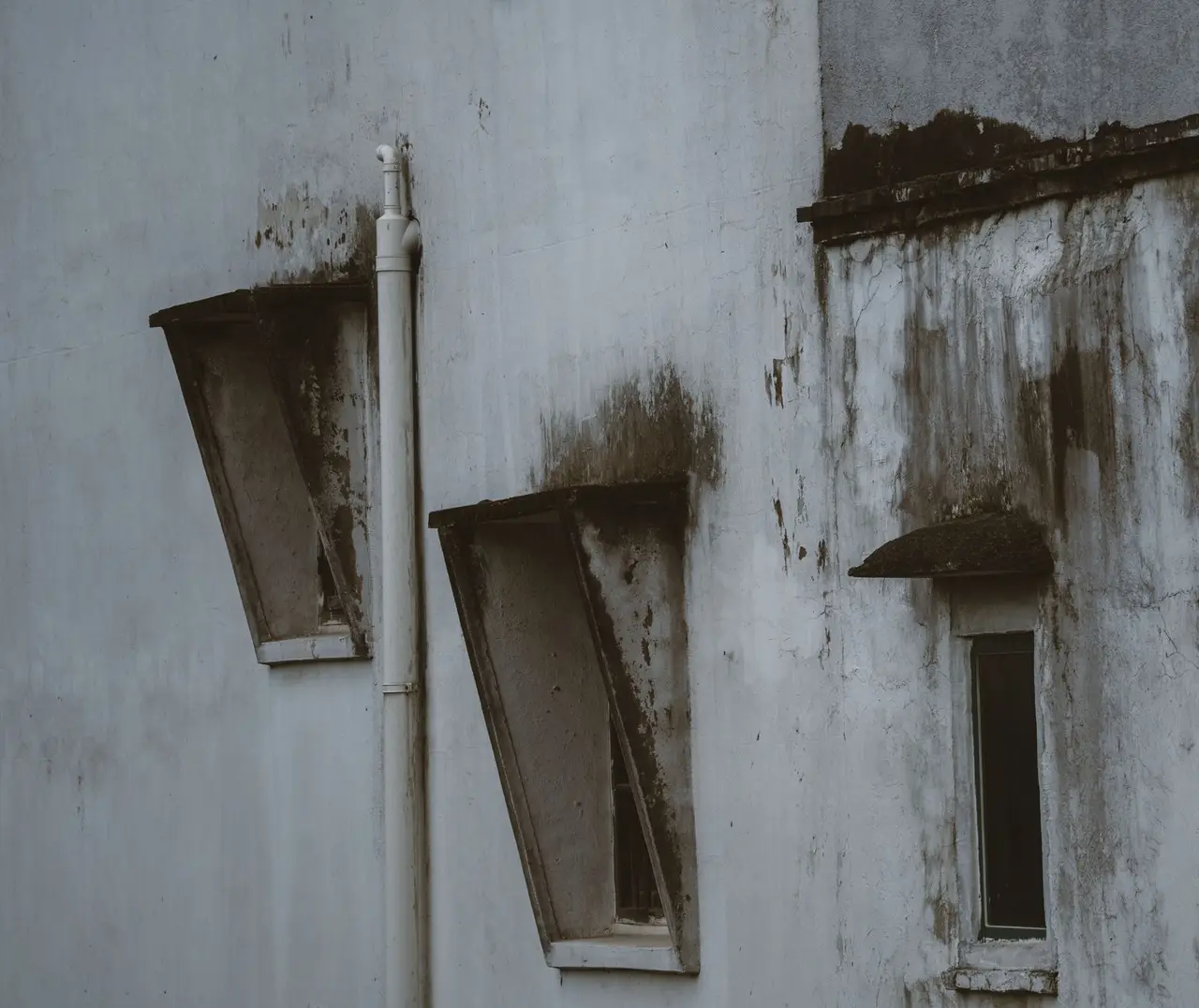
You had a slab leak repaired and want to know if mold started behind the baseboards.
We use a boroscope to look inside the wall cavity without cutting, take moisture readings, and sample the air. If the area is dry and clean, the report says so. If growth is present, it scopes removal.
Outcome: You know whether the repair was enough or whether more work is needed.
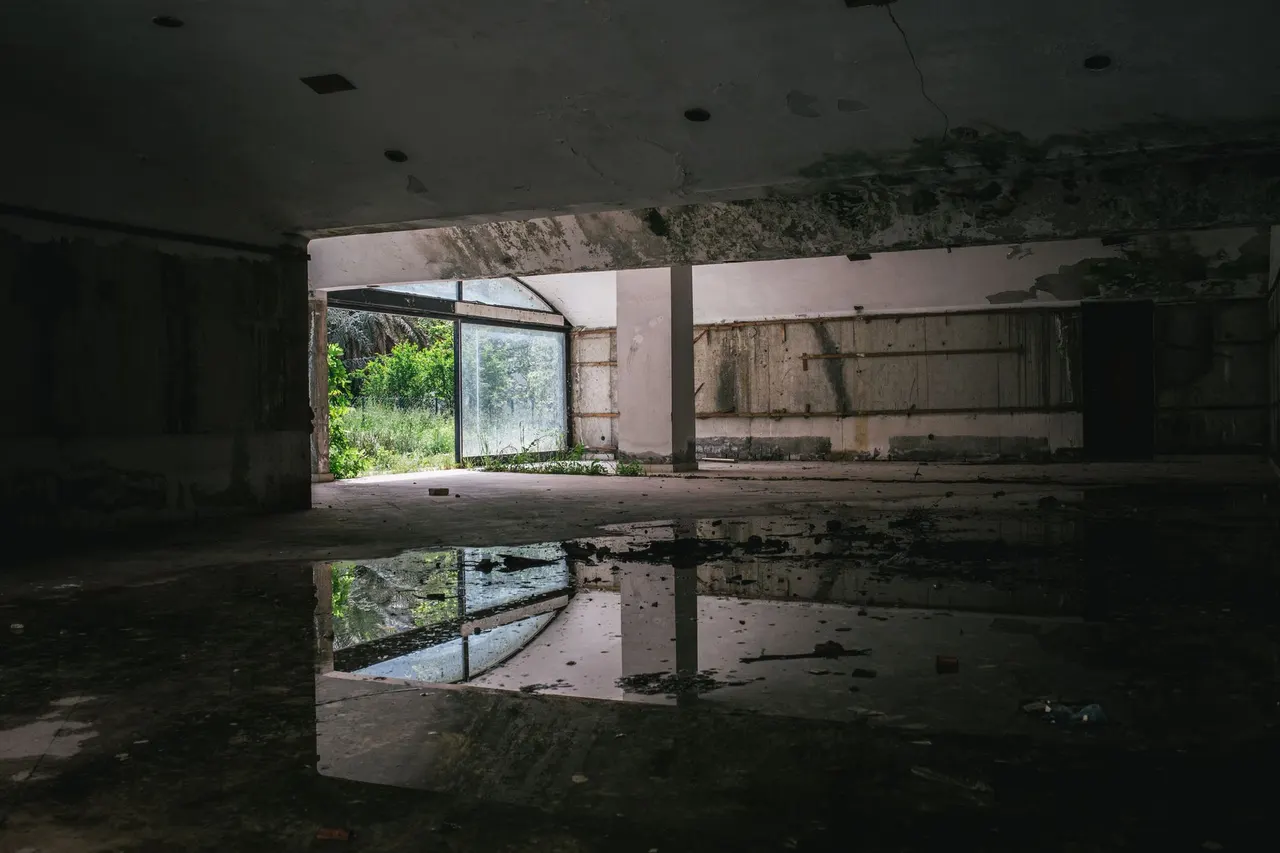
You smell a musty odor in your attic after a summer of high humidity.
We inspect the attic sheathing, insulation, and ventilation, take moisture readings, and sample the air. If growth is found, the report scopes attic mold removal and identifies the moisture source.
Outcome: You get a clear answer about the attic and what it takes to correct it.
Dallas buildings deal with two moisture extremes: humid summers that push indoor humidity above 60 percent, and winter freezes that can split a supply line behind a wall. Both create conditions for mold. In older neighborhoods like Oak Cliff and East Dallas, pier-and-beam foundations let crawl space moisture rise into the floor system.
In newer construction in North Dallas and Addison, tight building envelopes can trap moisture from a slow leak. We adjust where we look based on the building type and the season. If you need same-day mold testing Dallas Texas after a storm or a burst pipe, call in the morning and we will confirm a window. We also check HVAC closets and attics, which are common sources in Dallas homes.
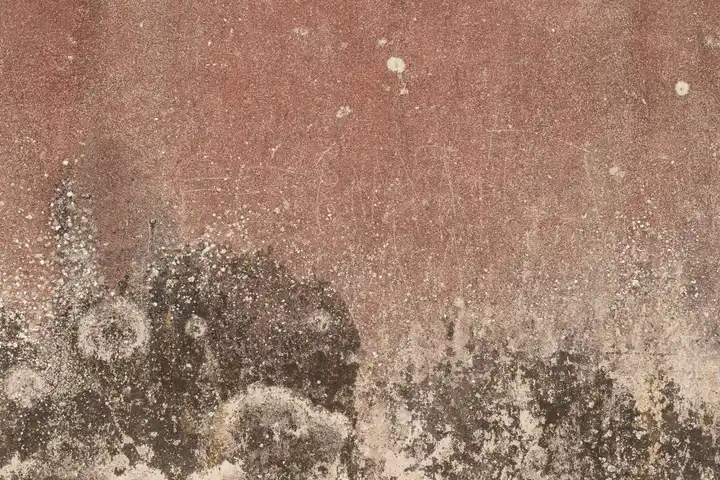
Before: A homeowner in Lakewood noticed a musty smell in an upstairs bedroom after a spring storm. The roof had been repaired, but the attic sheathing was still stained and the insulation smelled. No testing had been done.
After: We inspected the attic, took moisture readings, and sampled the air. Results showed elevated spores. The report scoped removal of affected insulation and treatment of the sheathing. After remediation, a follow-up air sample came back normal.
Keep gutters clear and check the attic after any storm. Fix roof leaks promptly and dry the area within 48 hours to prevent regrowth.
Before: A pier-and-beam home in Oak Cliff had a musty odor in the living room. The crawl space had no vapor barrier and the floor joists were damp. The owner was not sure if mold was present.
After: We inspected the crawl space, took moisture readings on joists and subfloor, and sampled the air. Lab results confirmed growth on several joists. The report scoped remediation and recommended a vapor barrier. After work, moisture readings dropped and the odor cleared.
Keep a vapor barrier in place and check the crawl space after heavy rain. Fix any plumbing leaks under the floor promptly.
Before: A condo owner in Uptown noticed a musty smell near the HVAC closet. The air handler was sweating in summer and the closet floor was damp. No visible growth, but the odor was persistent.
After: We inspected the closet, took moisture readings, and sampled the air inside and outside the unit. Results showed elevated spores near the closet. The report scoped cleaning and treatment of the air handler and closet surfaces. After work, the odor was gone.
Keep the closet door open for airflow and check the drain pan monthly during summer. Fix any condensation issue before it feeds growth.
Most calls start with a smell, a stain, or a past leak that was never fully dried. Testing answers the question of whether mold is present and how far it goes.
You get a clear answer about mold and what to do next.
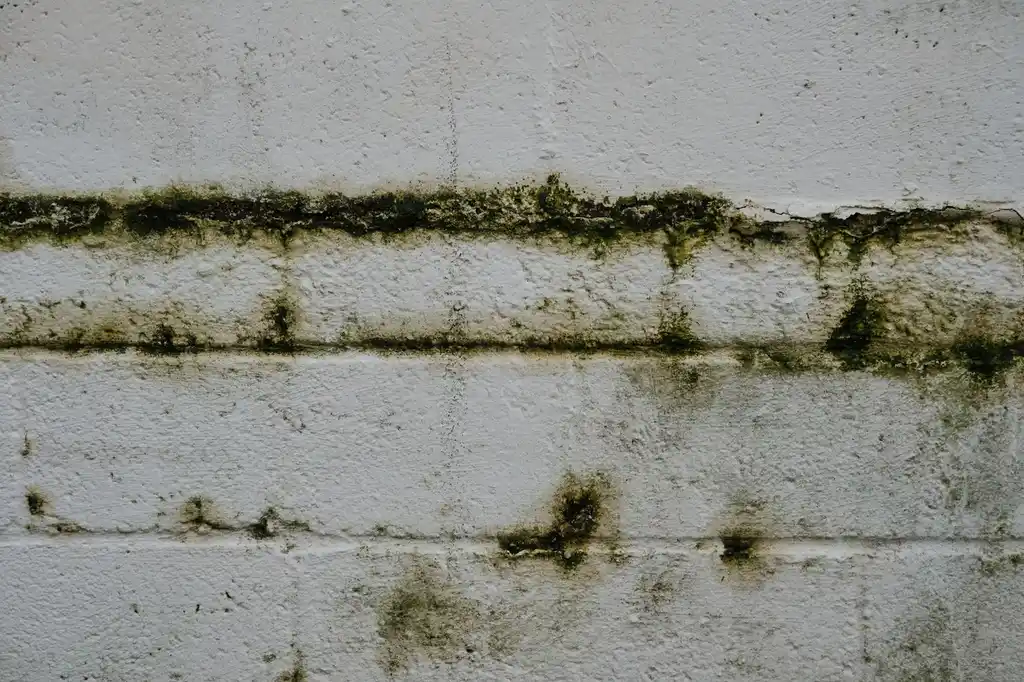
Lab results identify spore types and counts, so you are not guessing from a discolored patch. If the growth is surface-level and the material is dry, we tell you. If it has reached the paper backing on drywall or the insulation behind it, you will see that in the report before anyone starts cutting.
Mold needs water. A thermal imaging camera and moisture meter let us trace condensation, a roof leak, or a slow plumbing leak back to its origin. Fixing that source is the only way to keep growth from returning after cleanup, and it is the step most DIY kits skip entirely.
Our written report includes photos, sample locations, and lab results, which is what carriers and property managers ask for. Landlords use it to show a unit was tested and cleared; owners use it to support a water damage claim. It also gives you a baseline to compare against if a problem comes back.
You get a report that says what was found, where, and what it takes to correct it. If remediation is needed, the scope lists affected materials and containment steps. If it is not, we say so. That keeps you from paying for work your property does not need.
Clear records you can keep and share.
Images of findings and sample locations
Readings noted by room and material
Plain-language explanation of findings
Lab results compare indoor spore levels to an outdoor baseline. That is how you know if indoor air is elevated.
Indoor levels similar to outdoor baseline
Indoor levels higher than outdoor baseline
High spore counts with visible growth
A list like this tells people straight away whether you cover their street. Not listed? Call and ask: it only takes a minute.
Based in Dallas and covering the places around it. Pick one for local details.
A single air sample plus one outdoor baseline is on the low end; a full house with attic, crawl space, and multiple rooms is higher. Commercial jobs are quoted per building. You get the price before we schedule, and the lab fee is included in that number.
It includes a room-by-room visual assessment, moisture readings with a meter and thermal camera, a boroscope check of wall cavities where needed, air and surface sampling, and a written report with photos and lab results. We also ask about past leaks and water damage. The report tells you what was found, where, and whether remediation is needed.
On site, plan for two to four hours for a typical home. Lab turnaround is two to three business days, and we call you when results arrive. If you need results faster for a real estate deadline, ask about expedited lab processing when you schedule. The report is emailed the same day we receive the lab results.
Yes, if the water sat for more than 24 to 48 hours or if you smell a musty odor afterward. Mold can start growing on drywall and insulation within a day or two of a leak. Testing confirms whether growth is present and how far it spread. It also gives you documentation for an insurance claim if remediation turns out to be necessary.
Other services from the same team.
Call (214) 817 0145 and we will confirm a visit window, often the same day. You get a written report with lab results and a plain-language summary. No remediation quote until you have the facts.
Call (214) 817 0145 or email [email protected] to schedule an inspection. We answer the phone Monday through Friday, 8:00 AM to 6:00 PM, and we return after-hours messages first thing the next morning. Same-day inspections are available across Dallas County when you call before noon.