For Homes
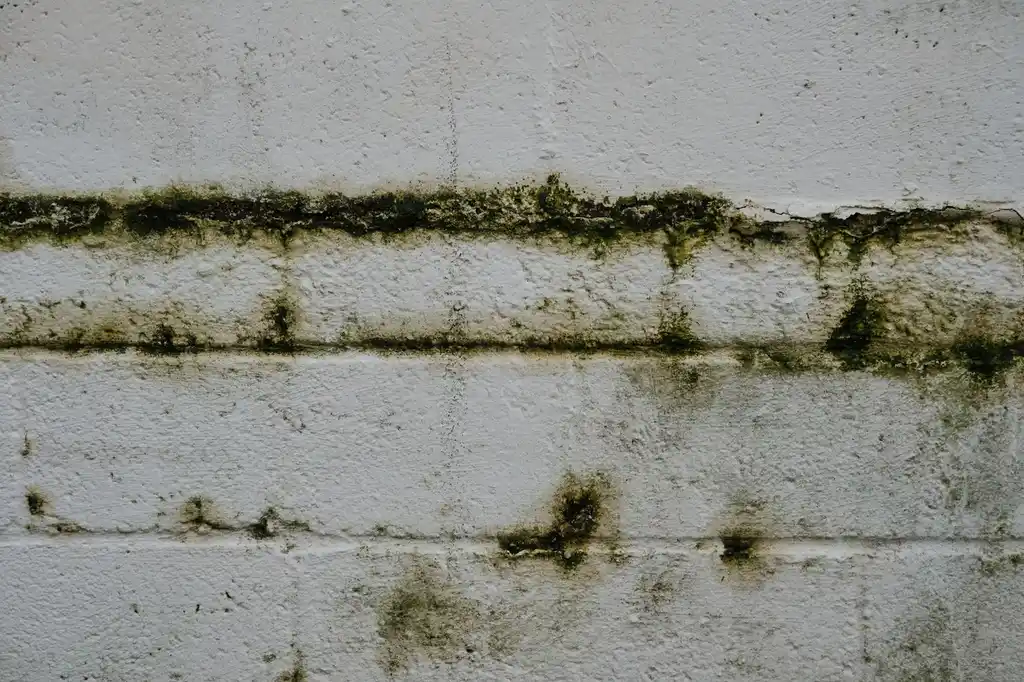
We remove moldy drywall from bathrooms, ceilings, and walls in houses across Dallas. You get clean air and walls that look original again.
- Bathroom wall mold
- Ceiling leaks
- Musty odors
When moisture gets behind your walls, Drywall Mold Removal and Repair Dallas TX is the only way to stop black mold from spreading through your home. We cut out contaminated sheetrock, treat the framing, and install mold-resistant drywall so your walls are clean and solid again. Serving homeowners and property managers across Dallas, Texas since 2015.
 Moisture mappingContainment setupClearance check
Every drywall mold job is different, but most include the same core steps. Here is what is covered in a standard scope. Add-ons like full-house air duct cleaning or crawl space encapsulation are quoted separately if needed.
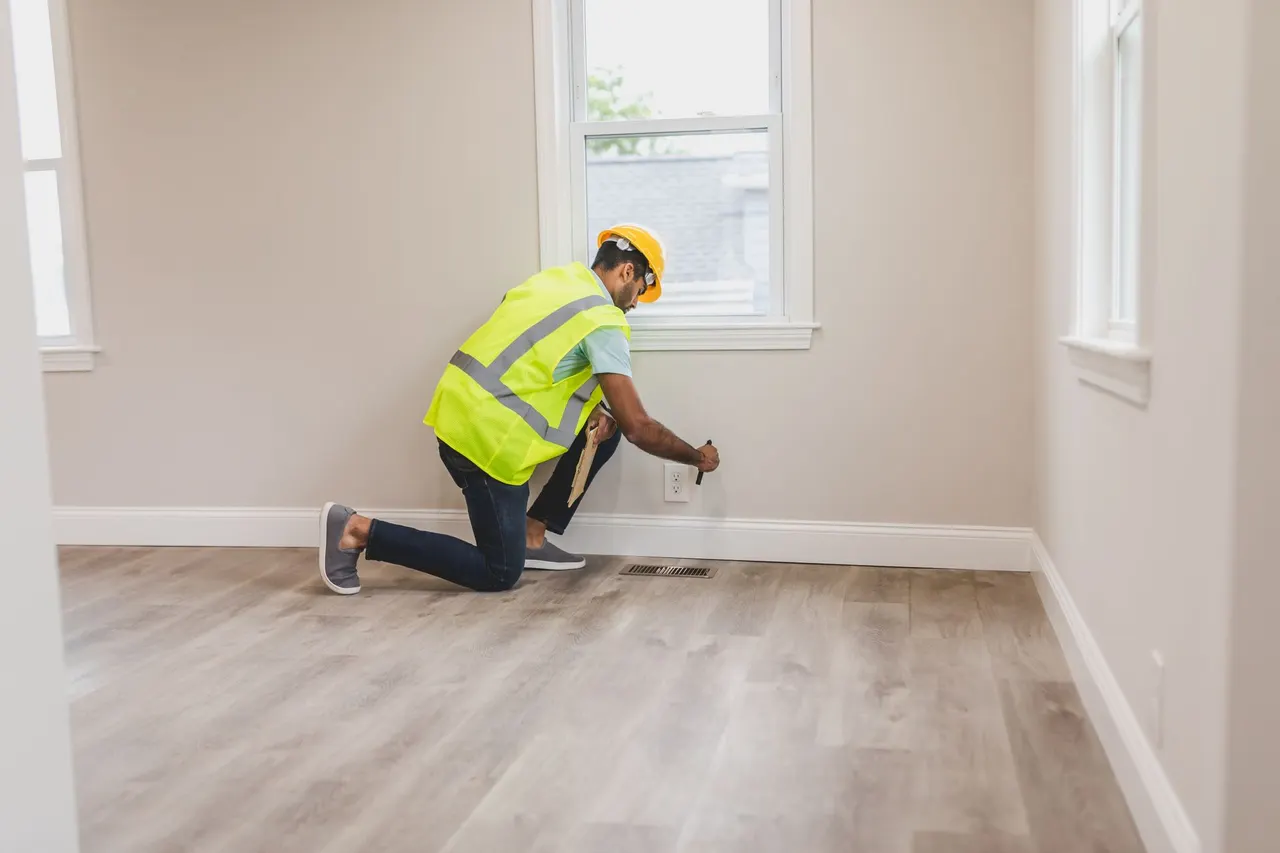
We use thermal imaging cameras and moisture meters to find every wet spot behind your walls. A boroscope lets us see inside cavities without unnecessary demolition. You get a written report showing exactly where mold is growing and how far it has spread.
Polyethylene sheeting seals off the work area. A negative air machine with HEPA filters keeps spores from spreading to clean rooms. We protect floors, furniture, and HVAC vents before any removal begins.
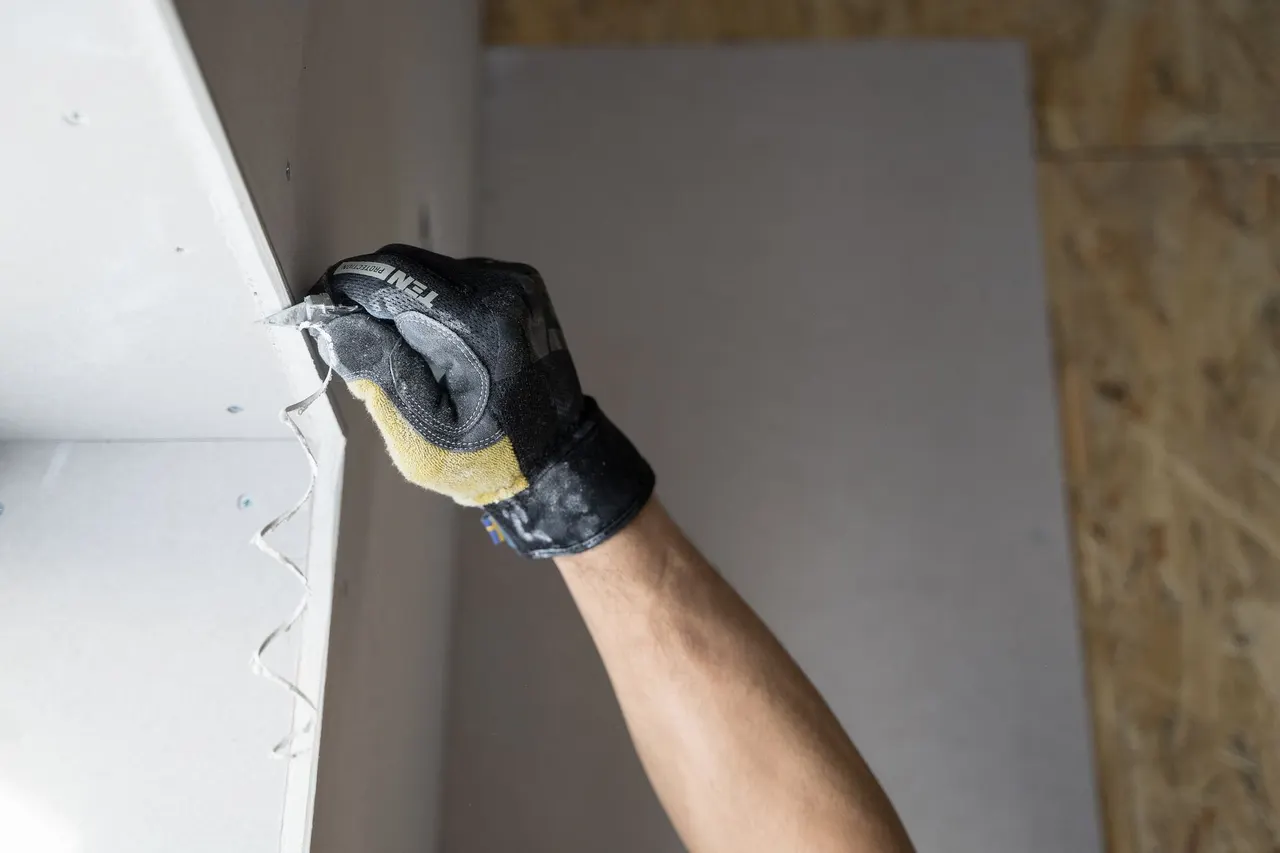
We cut out all contaminated drywall, typically 12 to 24 inches past the visible mold line. Material goes into sealed bags and out of your home. We HEPA-vacuum the exposed framing and cavity to remove loose spores.
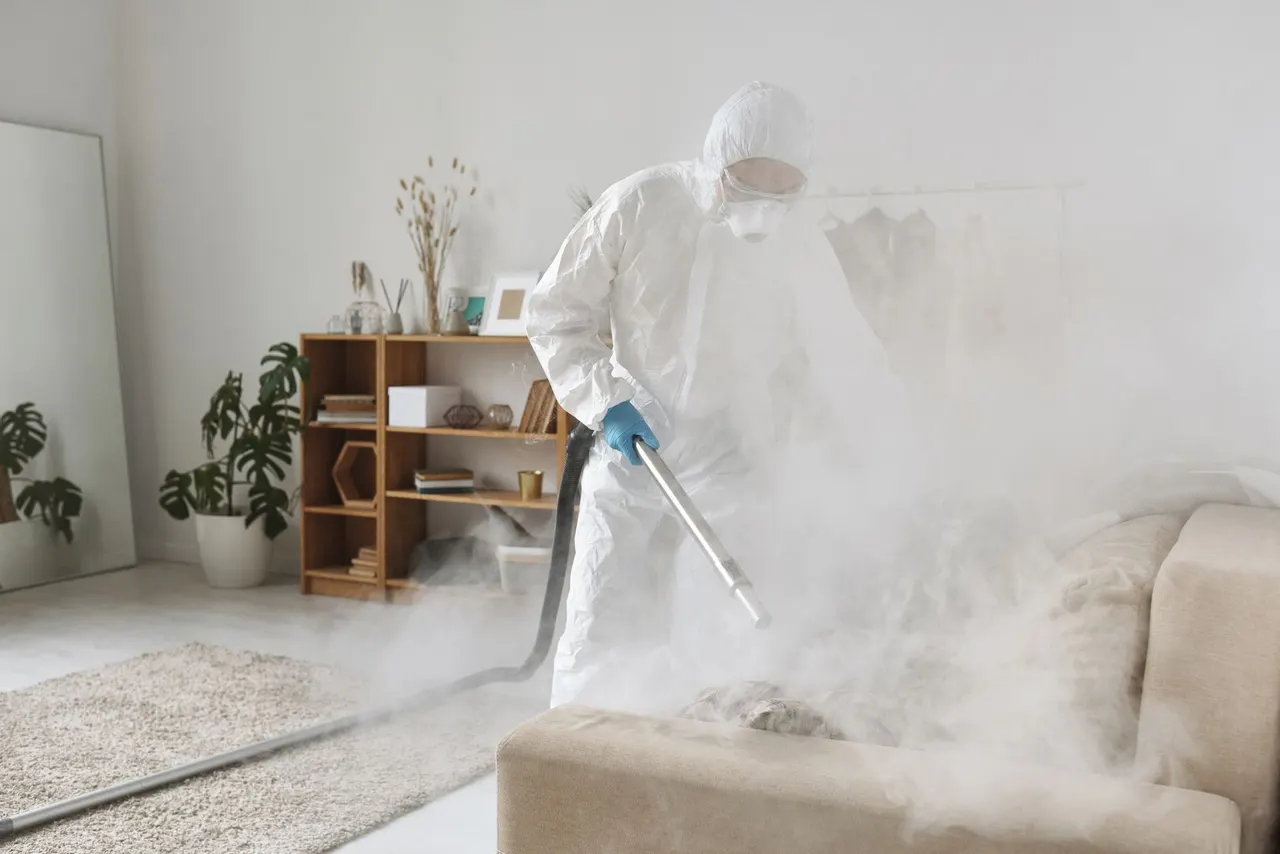
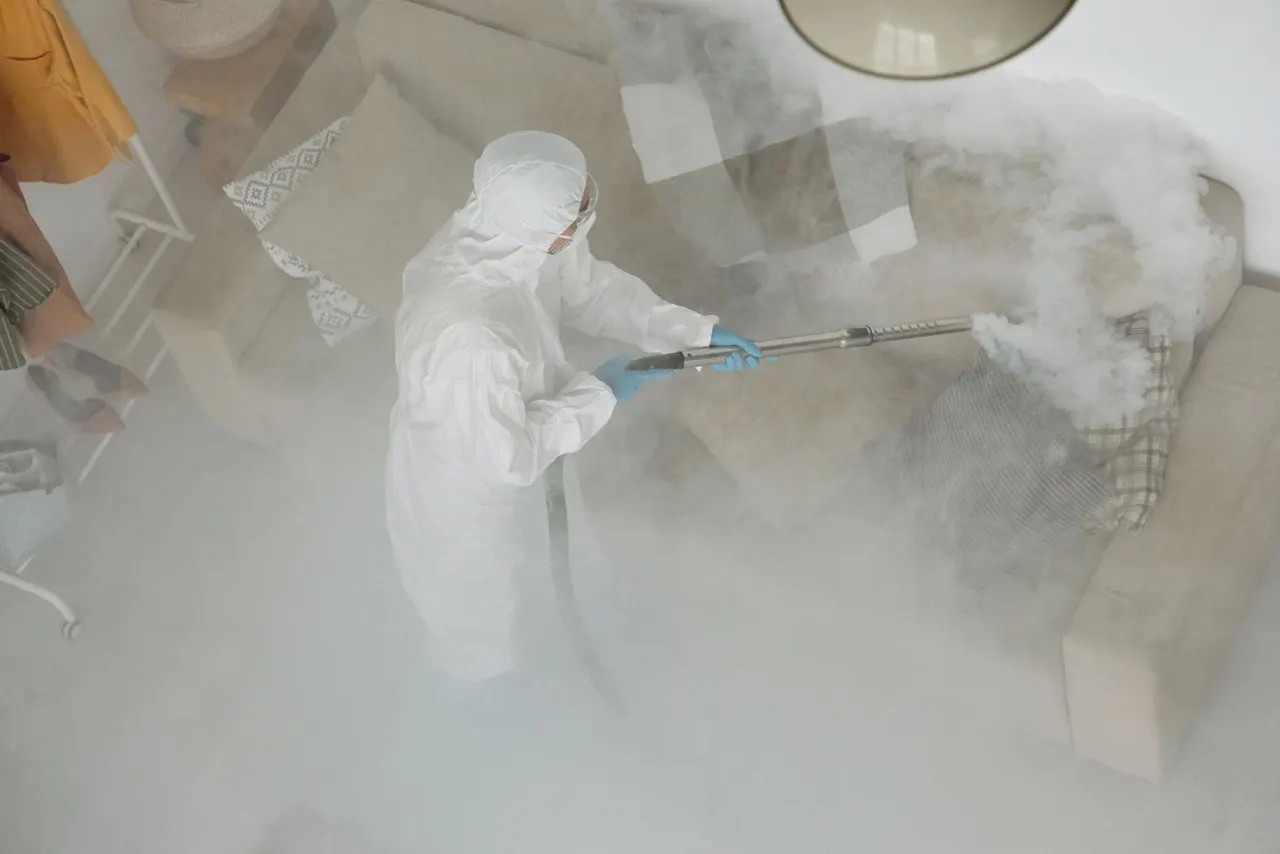
After removal, we apply antimicrobial spray to framing, sill plates, and cavity surfaces. A fogger reaches into tight corners. This step kills remaining spores and prevents regrowth before new drywall goes up.
New mold-resistant drywall is installed, taped, floated, and textured to match your existing walls. We prime and paint the repaired area. Most walls are back to normal within one to two days after treatment.
We do a final moisture reading and visual inspection before calling the job done. You get a clearance report documenting the work. This helps with insurance claims and gives you proof the mold problem was resolved.
The approach is the same for a home and a business. What changes is the access, the schedule and who needs the paperwork.
We remove moldy drywall from bathrooms, ceilings, and walls in houses across Dallas. You get clean air and walls that look original again.
We handle drywall mold in offices, retail, and warehouses without disrupting your operation. After-hours scheduling keeps your doors open.
A plain-language look at what Drywall Mold Removal and Repair involves and when it is needed.
See how it worksDrywall Mold Removal and Repair Dallas TX is the controlled removal of mold-contaminated sheetrock, treatment of the framing and cavity behind it, and installation of new mold-resistant drywall. Mold eats the paper facing on drywall and spreads through cellulose. Once it takes hold, no amount of bleach spray fixes it. We cut out the damaged sections, HEPA-vacuum the cavity, apply an antimicrobial spray, and rebuild the wall so it looks like nothing happened.
Dallas homes deal with high humidity from April through October, and that moisture finds its way behind walls through roof leaks, plumbing leaks, and HVAC condensation. If you have ever searched for drywall mold removal near me Dallas TX after a summer storm, you know how fast mold can take over. We see it most in older East Dallas bungalows and in newer builds where a slow supply-line drip went unnoticed for months.
Moldy drywall must be removed, not painted over, to stop mold from returning.
Every job follows the same five steps, whether it is a small bathroom patch or a full wall replacement. Here is exactly what happens from the first call to the final walkthrough.
We arrive with a thermal imaging camera and moisture meter to map exactly where moisture sits behind your walls. A boroscope lets us peek inside wall cavities without tearing everything open. You get a written report showing what we found and what needs to come out. This usually takes 45 to 90 minutes.
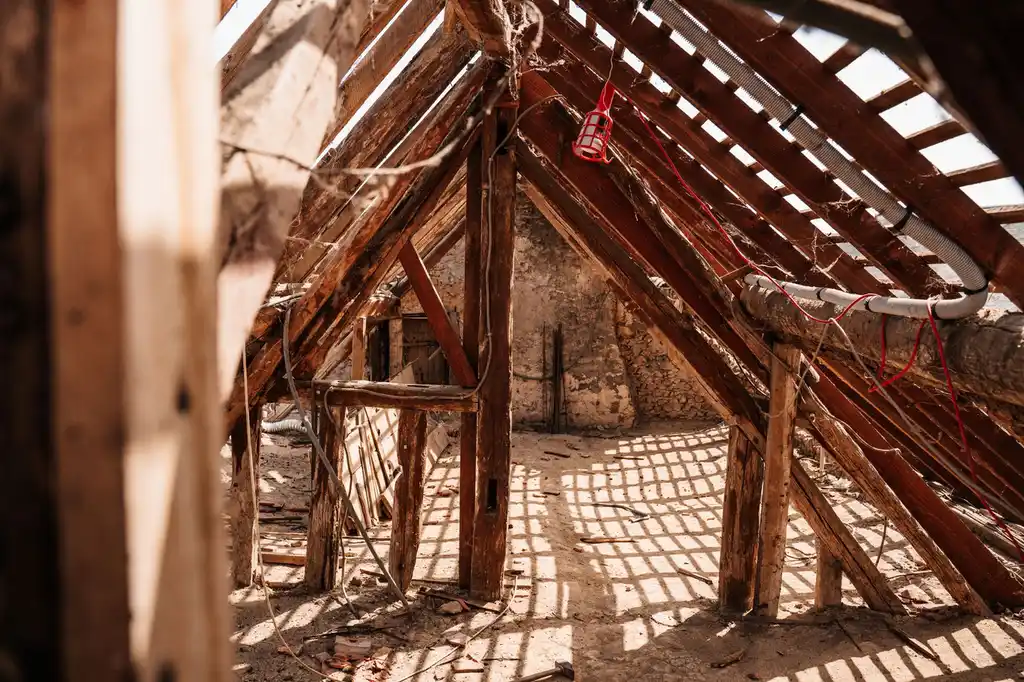
Before any demolition starts, we seal off the work area with polyethylene sheeting and set up a negative air machine with HEPA filters. This keeps mold spores from spreading to clean rooms. We also lay down floor protection and seal HVAC vents in the work zone. Setup takes about 30 minutes.
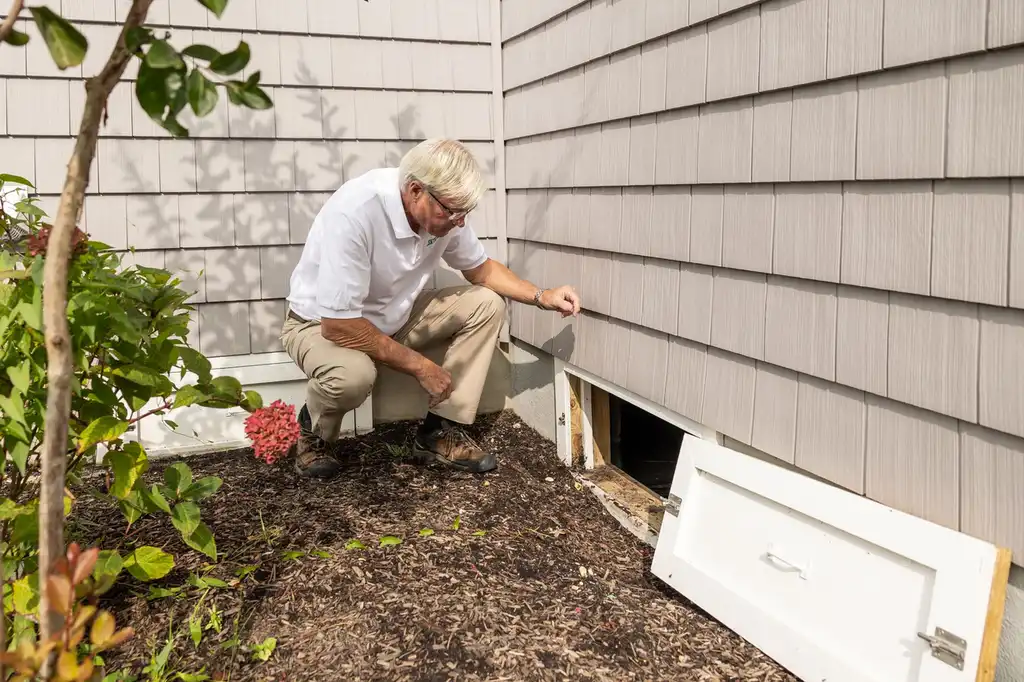
We cut out all mold-contaminated drywall, usually 12 to 24 inches past the visible mold line. Contaminated material goes straight into sealed bags. We HEPA-vacuum the exposed framing and cavity, then apply an antimicrobial spray to every surface. Removal for a typical wall takes two to four hours.
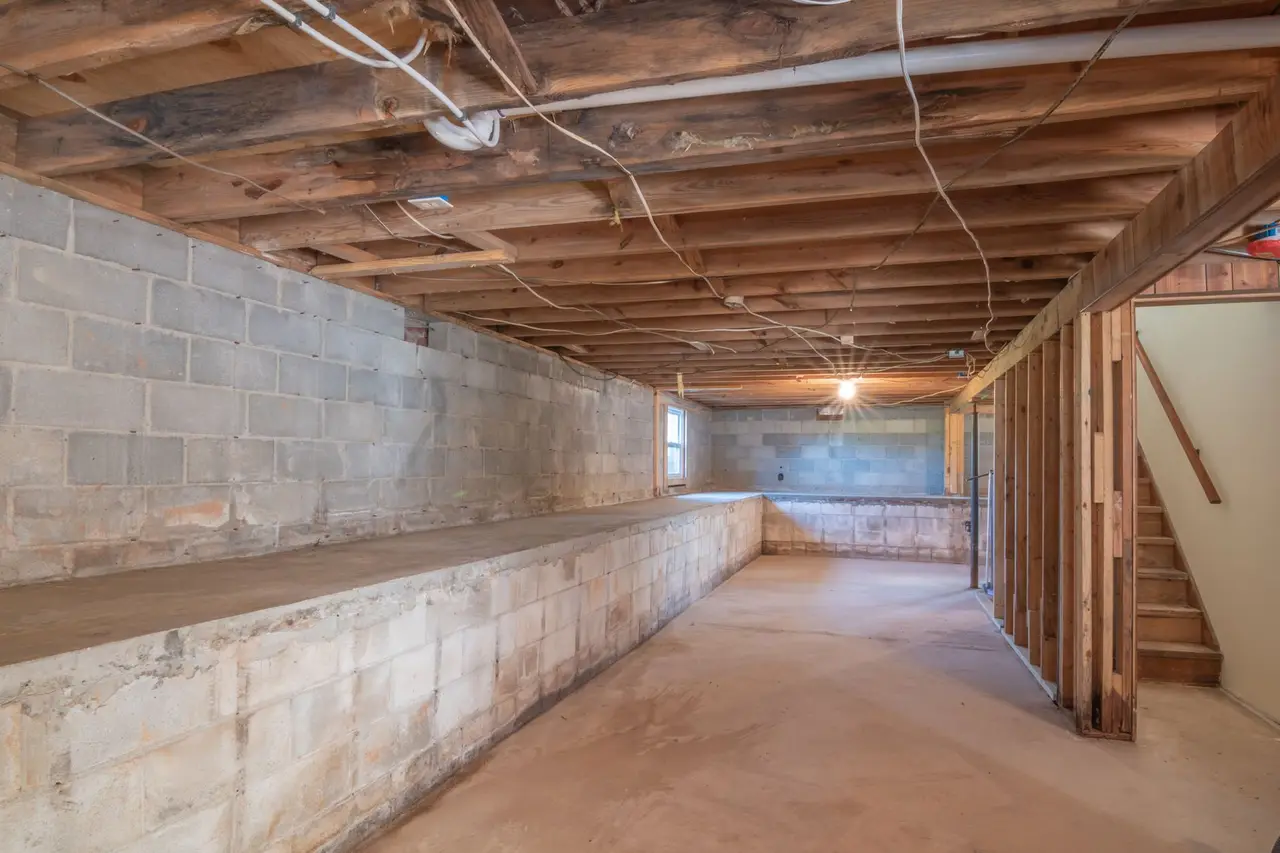
After removal, we treat the framing with a mold-resistant encapsulation coating. This seals any remaining spores and prevents regrowth. We run air scrubbers for at least 24 hours to pull remaining particles out of the air. A fogger reaches into tight corners that manual spraying misses.
New mold-resistant drywall goes up, gets taped, floated, and textured to match your existing walls. We prime and paint the repaired area so it blends in. Final walkthrough happens with you, and we do a moisture check to confirm everything is dry. Most repairs are finished in one to two days.
Move across a circle, or focus it and press Enter, for an illustrative thermal view of the photograph.
Detects temperature differences behind walls to find hidden moisture without cutting into drywall. We use it on every inspection to map the full extent of the problem.
Measures exact moisture content in drywall and framing. Readings tell us whether material can be dried or must be removed and replaced.
A small camera on a flexible rod that lets us see inside wall cavities through a tiny hole. We confirm mold growth and check insulation without major demolition.
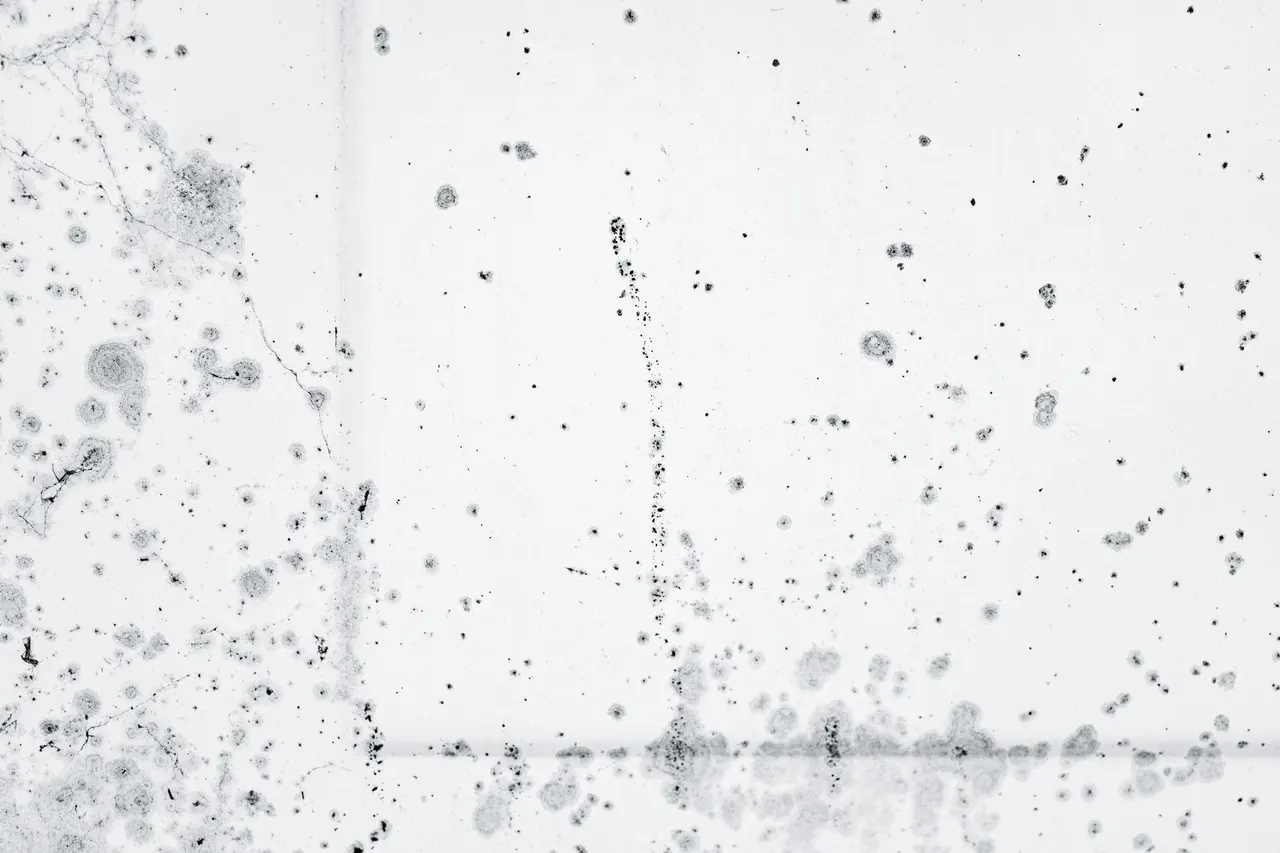
Creates negative pressure in the work area so mold spores cannot escape to clean rooms. Runs continuously during removal and treatment.
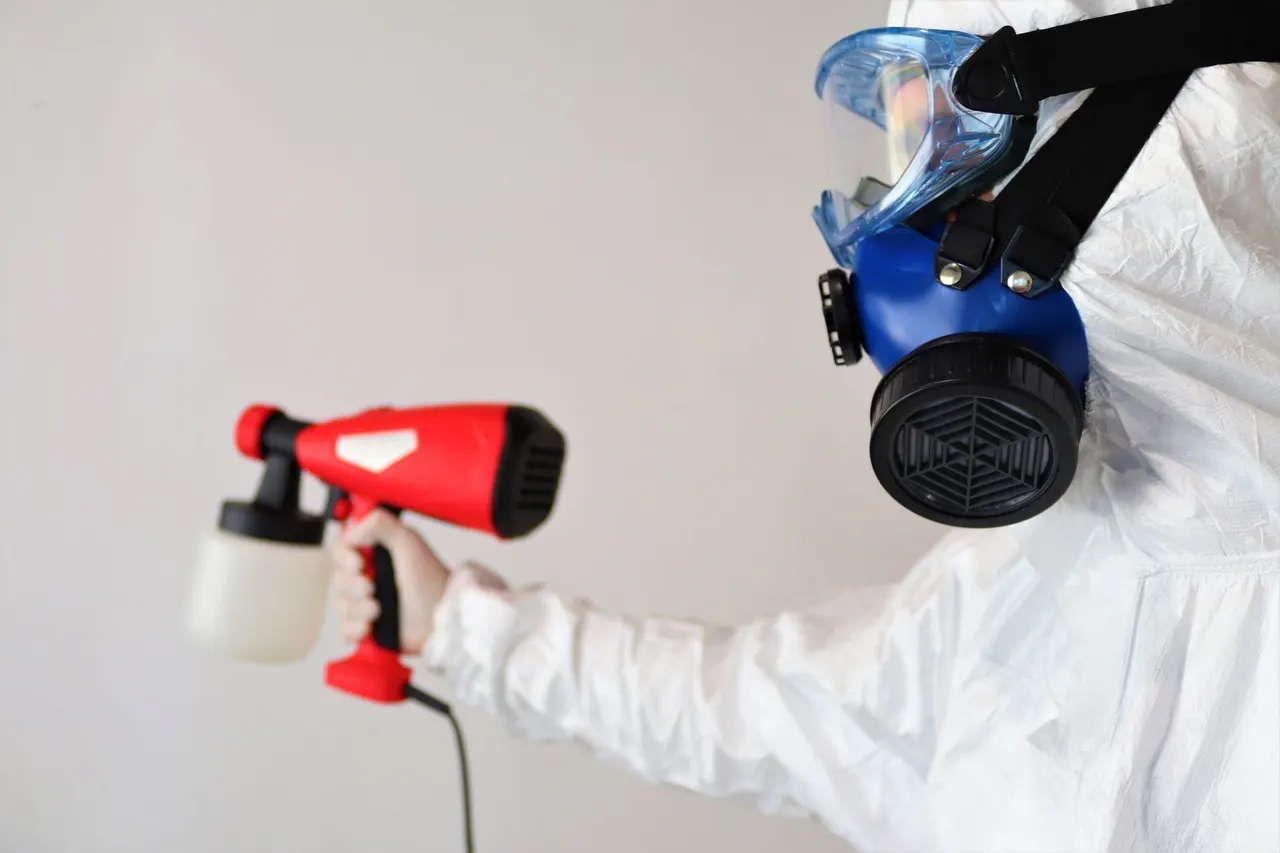
Captures 99.97 percent of particles down to 0.3 microns. We vacuum all exposed surfaces after removal to eliminate loose spores.
Thermal views are illustrative, generated from the photographs.
Filters airborne particles in the work area. We run scrubbers for at least 24 hours after treatment to clear remaining spores from the air.
Applies antimicrobial treatment in a fine mist that reaches into tight corners and gaps where manual spraying cannot. Used after removal and before new drywall goes up.
The industry standard for mold remediation. It covers inspection, containment, removal, cleaning, and clearance. We follow it on every job to ensure the work is done correctly and documentation is complete.
We seal the work area with polyethylene sheeting and run a negative air machine to keep spores from spreading. This protects your family and the rest of your home during removal.
After removal, we apply antimicrobial spray to all exposed framing and cavity surfaces. A fogger reaches tight spaces. This kills remaining spores and prevents regrowth before new drywall is installed.
We install mold-resistant drywall in areas prone to moisture. It has a treated core and paper that resist mold growth better than standard board. This adds long-term protection against future problems.
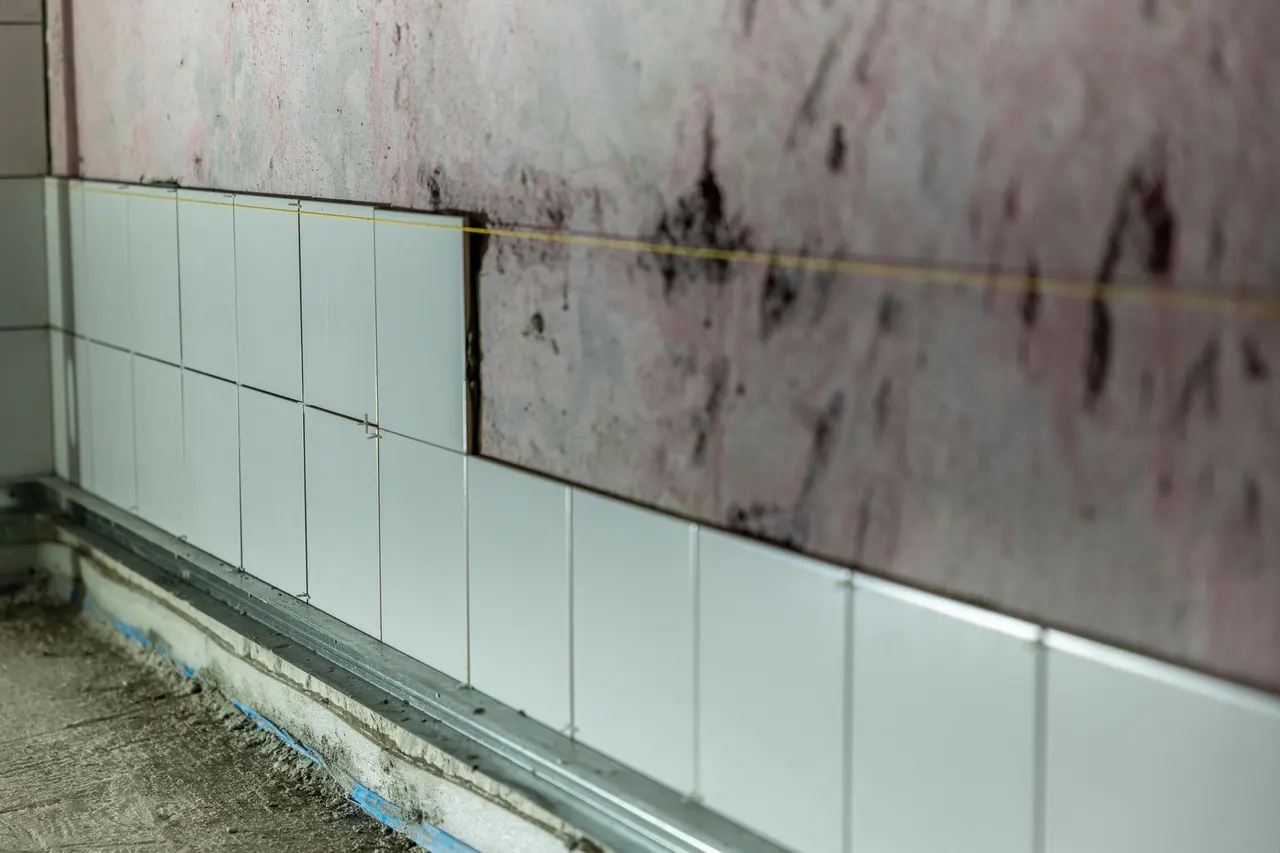
A slow plumbing leak behind a kitchen wall went unnoticed for months. You notice a musty smell and dark spots near the baseboard.
We inspect with thermal imaging to map the moisture, cut out the moldy drywall, treat the framing, and repair the wall. We also help identify the leak source so it can be fixed before we close up.
Outcome: Your kitchen wall is clean, dry, and looks original. The musty smell is gone and mold will not return because the moisture source was addressed.
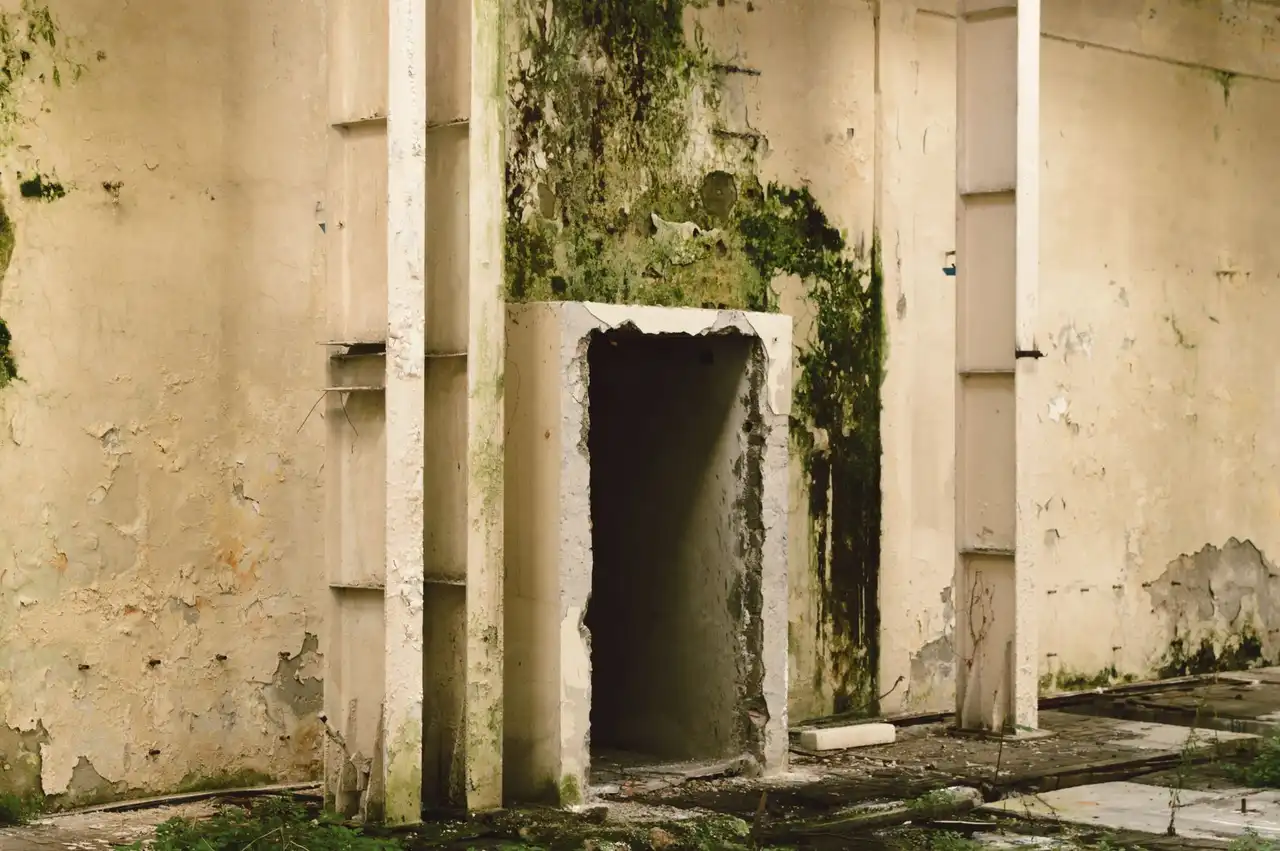
After a summer storm, water came through your roof and stained the ceiling in two rooms. You see greenish-black patches spreading.
We contain both rooms, remove the moldy ceiling drywall, treat the attic framing above, and install new mold-resistant board. Air scrubbers run throughout to capture spores.
Outcome: Ceilings are repaired and painted to match. The attic is treated so mold does not regrow. You have documentation for your insurance claim.
You are buying a home in Dallas and the inspection report notes suspected mold behind the bathroom drywall. You need it addressed before closing.
We do a full inspection with moisture meters and boroscope, provide a written scope, and complete the removal and repair on a timeline that fits your closing date.
Outcome: The mold is removed, the wall is rebuilt, and you get a clearance report showing the work was done correctly. The sale can proceed without mold issues.
Your commercial building had a pipe burst over the weekend. Monday morning you find wet drywall and visible mold in a storage room.
We respond same day, set up containment to keep the mold from spreading to customer areas, remove the damaged drywall, and rebuild the wall after hours to avoid business disruption.
Outcome: The mold is gone, the wall is repaired, and your business stays open. You get full documentation for your property records.
Dallas humidity averages 65 to 75 percent from spring through fall, and that moisture finds its way into wall cavities through roof leaks, plumbing drips, and HVAC condensation. Older homes in East Dallas and Oak Cliff often have original plumbing that develops slow leaks behind walls. Newer construction in North Dallas and Richardson can have tight building envelopes that trap moisture instead of letting it escape.
We adjust our approach based on your home's age and construction style. If you need drywall mold treatment Dallas, we start with a full moisture inspection so we know exactly what we are dealing with before any removal begins.
Before: A slow supply-line leak behind the bathroom vanity went unnoticed for months. The homeowner noticed dark spots spreading across the drywall and a musty smell. Thermal imaging showed moisture had spread 18 inches past the visible mold.
After: We removed 24 square feet of moldy drywall, treated the framing with antimicrobial spray, and installed new mold-resistant board. The wall was textured and painted to match. Final moisture readings showed normal levels throughout.
We recommended checking under the vanity monthly for leaks and running the exhaust fan for 15 minutes after every shower to reduce humidity.
Before: Spring storms damaged the roof and water stained the ceiling in two bedrooms. Mold patches appeared within a week. The homeowner was worried about health effects and needed documentation for an insurance claim.
After: We contained both rooms, removed 32 square feet of moldy ceiling drywall, treated the attic framing above, and installed new board. Air scrubbers ran for 48 hours. The ceiling was painted to match and the insurance claim was approved.
We suggested having the roof inspected annually before storm season and checking the attic for leaks after any heavy rain.
Before: A pipe burst over the weekend and soaked the drywall in a storage room. By Monday, mold was visible on three walls. The business needed the space back quickly without disrupting customer areas.
After: We set up containment to isolate the storage room, removed 60 square feet of moldy drywall, treated the framing, and rebuilt the walls after hours. The room was back in service within four days with no impact on business operations.
We recommended installing a water leak sensor near the pipe and scheduling annual plumbing inspections to catch problems early.
Mold behind drywall causes more than just a musty smell. It affects your health, your home value, and your peace of mind. Here are the most common problems we fix for Dallas homeowners.
Clean walls, clean air, and a repair that lasts.
We do not just scrub the surface. We find the moisture source, fix the leak or condensation issue, then remove every contaminated section of drywall. If we skip that step, mold returns within weeks. Our process addresses the water problem first so the repair actually holds.
New drywall goes up to Texas residential code with proper moisture barriers and mold-resistant board. We tape, float, and texture to match your existing walls. Most rooms are back to normal in two to four days, and you cannot tell where the repair was made.
Mold spores travel through the air every time someone opens a door or runs the HVAC. We set up negative air machines and HEPA filters to capture spores at the source. Your family breathes cleaner air from the moment we start work until the final clearance check.
Catching drywall mold early keeps the repair small. A two-foot section of moldy drywall costs far less to fix than waiting until mold spreads through an entire wall cavity. We give you a clear price before we start, so there are no surprises on the invoice.
Clear records you can keep and share.
Before, during, and after images
Readings from inspection and final check
What was removed and what was installed
Confirmation that moisture levels are normal
Not all moldy drywall needs the same approach. The right fix depends on how deep mold has grown and what caused the moisture.
Mold on the outer paper only
Mold into the gypsum core
Mold behind the drywall
A list like this tells people straight away whether you cover their street. Not listed? Call and ask: it only takes a minute.
Based in Dallas and covering the places around it. Pick one for local details.
Emergency calls, containment setup, and repair work all factor into the final price. We give you a written estimate before any work starts.
Surface mold on drywall can sometimes be cleaned if it has not penetrated the paper facing. But once mold soaks into the gypsum core or spreads behind the wall, repair means cutting out the affected section and replacing it. We test the depth of contamination with a moisture meter and boroscope to determine whether cleaning or replacement is the right call.
If mold covers more than about 10 square feet or has been growing for more than a few weeks, replacement is almost always necessary. Mold roots into the paper and gypsum, and no surface treatment kills it completely. We cut out contaminated drywall, treat the framing, and install new mold-resistant board.
Look for dark spots, greenish-black patches, or a musty odor near walls. Paint that bubbles or peels often hides mold underneath. If you see water stains on the ceiling or baseboards, mold is likely growing behind the drywall. A thermal imaging camera can detect moisture without cutting into the wall, and we offer inspections to confirm what is happening.
Other services from the same team.
Mold spreads fast in Dallas humidity. Call us now for a same-day inspection and a written estimate. We handle everything from removal to final paint, and we do not leave until your walls are clean and dry.
Call (214) 817 0145 or email [email protected] to schedule an inspection. We answer the phone Monday through Friday, 8:00 AM to 6:00 PM, and we return after-hours messages first thing the next morning. Same-day inspections are available across Dallas County when you call before noon.