For Homes
We work in houses across Dallas County every day. Our team protects your floors, furniture, and daily routine while we remove mold.
- Musty odor in a room
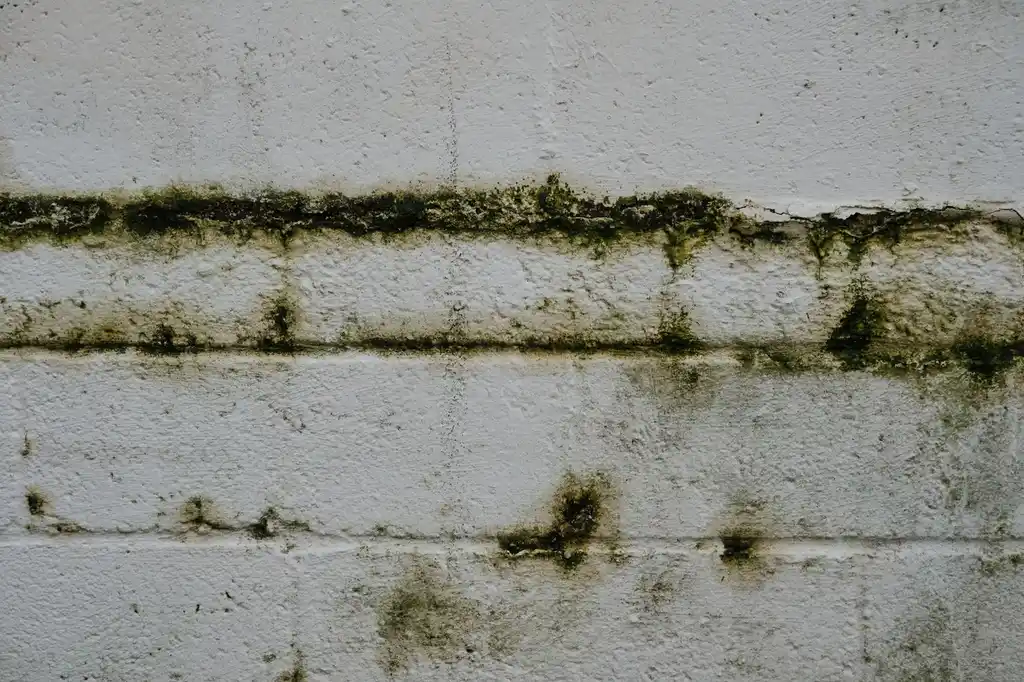
- Dark spots on drywall
- Water stain on ceiling
Residential Mold Remediation in Dallas means finding the moisture source, containing the growth, and removing mold from your home's structure and air. We handle home mold remediation Dallas Texas for families in Preston Hollow, Oak Cliff, Lakewood, and across Dallas County. If you smell something musty or see dark spots after a roof leak or AC drip, we inspect, test, and fix it right.
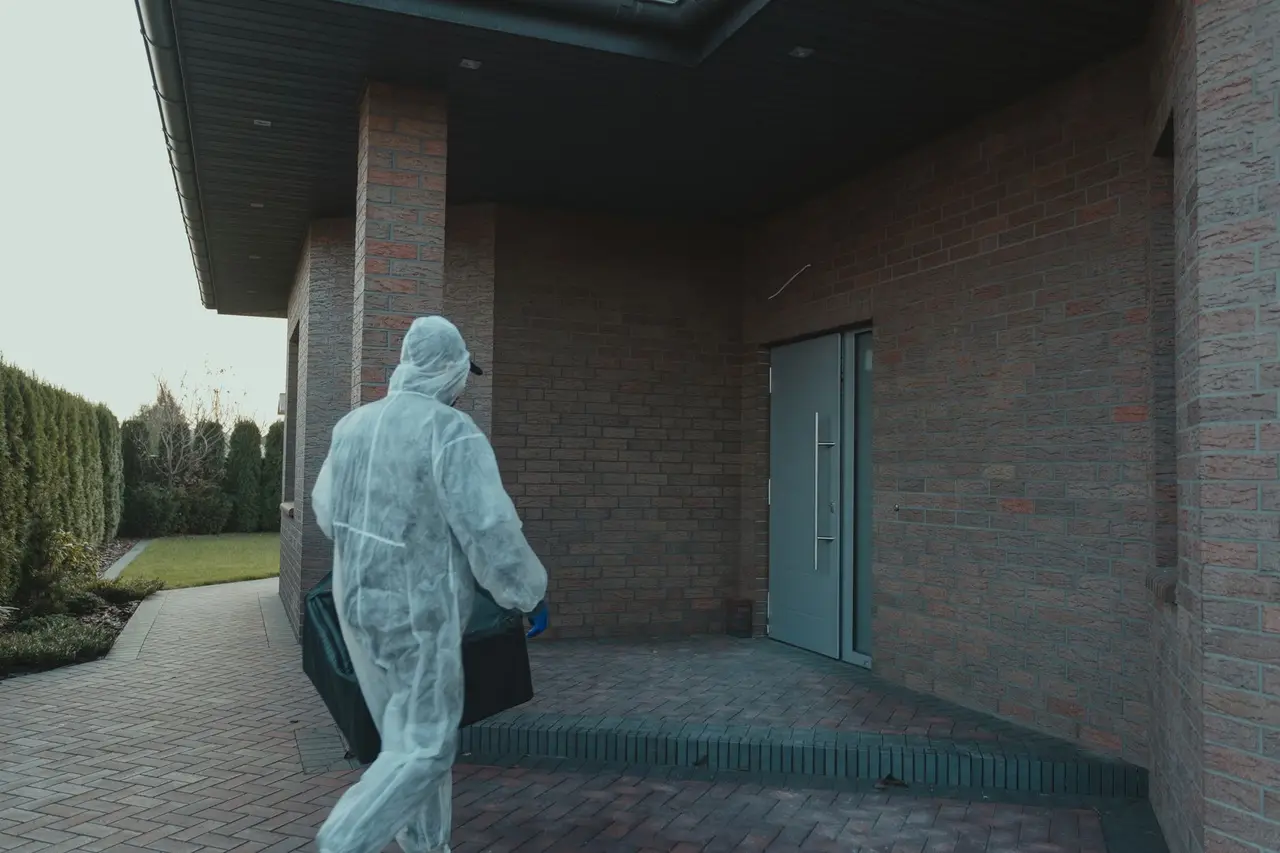 Moisture mappingContainment setupClearance testing
Every job includes inspection, containment, removal, cleaning, drying, and clearance testing. Rebuild is included when you want us to handle it. Here is what you get as part of the standard scope.

Thermal imaging, moisture meter readings, air samples, and surface swabs. You get a written report with lab results showing mold type and spore count before we start work.
Polyethylene sheeting, negative air machines, and HEPA air scrubbers keep spores from spreading to clean areas of your home. We seal vents and doorways in the work zone.
Contaminated drywall, insulation, and trim come out and get bagged. We HEPA vacuum all exposed surfaces and apply antimicrobial spray and fogger treatment to framing.
Dri-Eaz dehumidifiers and air movers run until framing moisture is below 16 percent. Post-remediation air samples go to the lab, and you get the clearance report.
New insulation, mold-resistant drywall, tape, float, texture, and paint. We match existing finishes so the repaired area blends with the rest of the room.
Photos, moisture logs, written scope, and lab reports packaged for your adjuster. We can communicate directly with your insurance company to speed up the claim.
The approach is the same for a home and a business. What changes is the access, the schedule and who needs the paperwork.
We work in houses across Dallas County every day. Our team protects your floors, furniture, and daily routine while we remove mold.
Property managers and business owners call us for tenant spaces and common areas. We work after hours to keep your doors open.
A plain-language look at what Residential Mold Remediation involves and when it is needed.
See how it worksResidential Mold Remediation in Dallas is the process of locating mold growth inside a house, stopping the water source that feeds it, and physically removing contaminated materials under containment. We set up polyethylene sheeting and negative air machines to keep spores from spreading to clean rooms. Technicians use a thermal imaging camera and moisture meter to trace hidden water behind drywall and under flooring. Affected drywall, insulation, and trim get removed, bagged, and disposed of, then we clean surfaces with antimicrobial spray and HEPA vacuum every exposed cavity before rebuilding.
Dallas homes deal with mold pressure most of the year. Summers push attic temperatures past 140 degrees, and when an AC drain line clogs or a pan overflows, that heat turns a small leak into visible growth in 48 to 72 hours. Spring storms drive rain sideways into brick veneer and around window flashing. We see the same pattern in older M Streets bungalows and newer builds alike: a slow plumbing leak behind a cabinet, a musty odor, then black mold on the back of the drywall. If you have been searching for residential mold remediation near me Dallas TX, the fix starts with finding that water.
Find the water, remove the mold, prove it is gone with lab results.
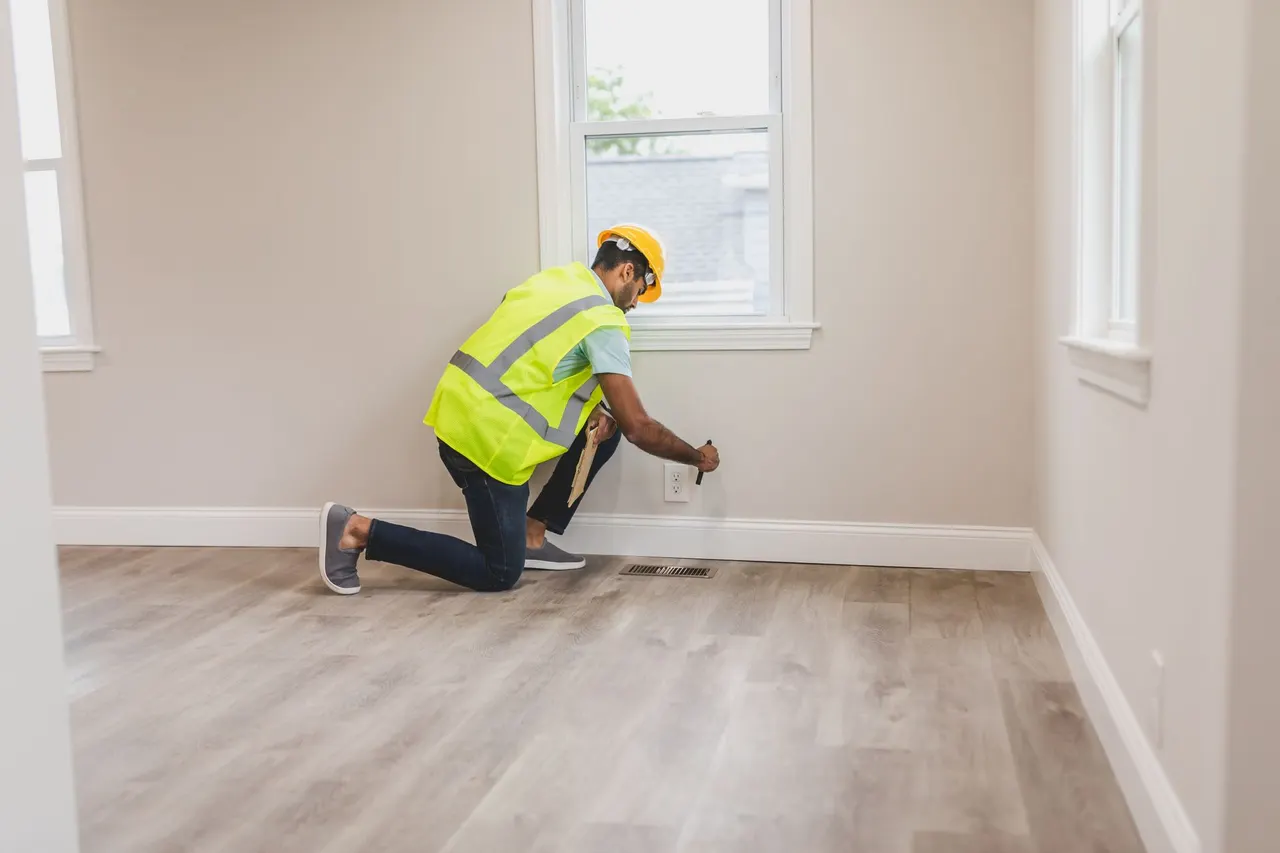
Every job follows the same five steps, from the first call to the final walkthrough. Here is what you can expect when our truck pulls up.
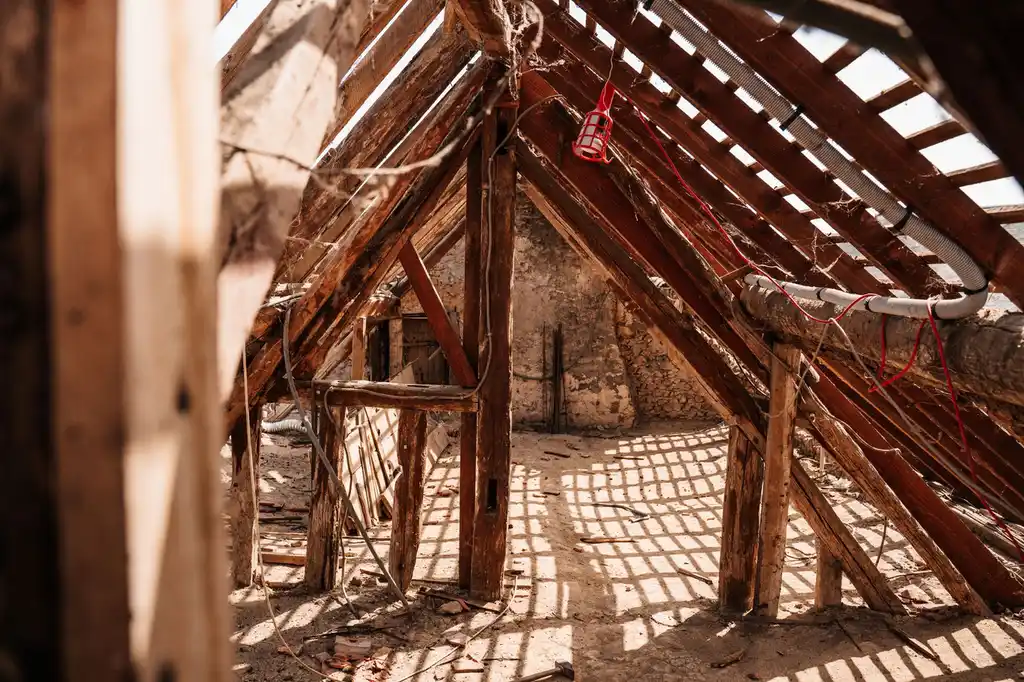
A technician walks the home with a thermal imaging camera and moisture meter, checking attic decking, crawl spaces, under sinks, and around HVAC equipment. We take air samples and surface swabs, then send them to a lab. You get results in 24 to 48 hours showing the mold type and spore count. This step usually takes 60 to 90 minutes.
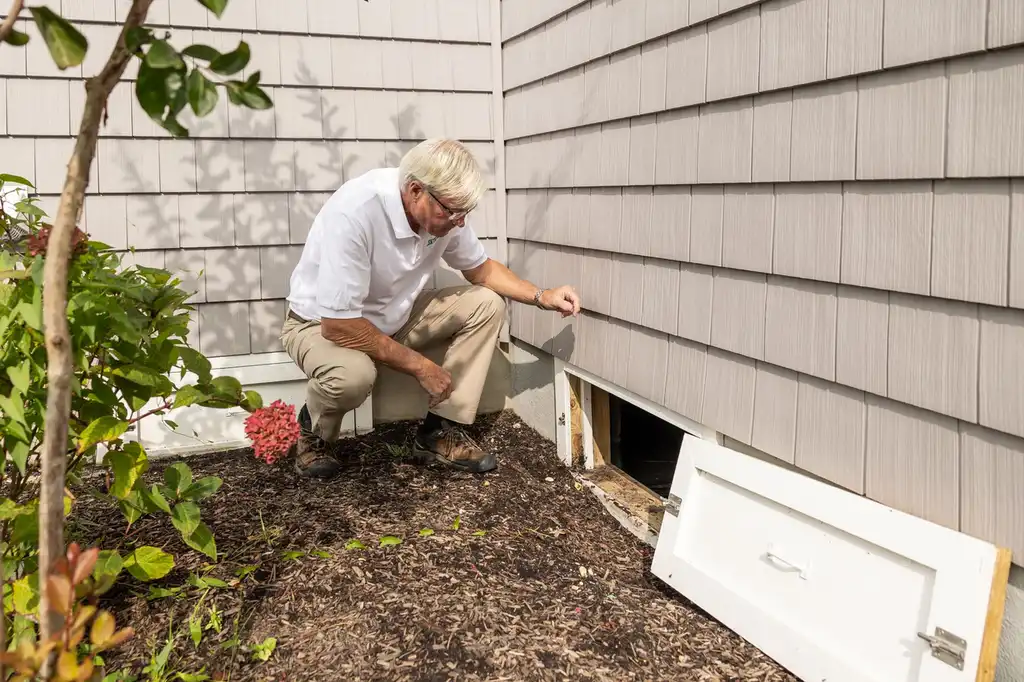
We seal doorways and vents with polyethylene sheeting and install a negative air machine to pull air out of the work zone through a HEPA filter. A boroscope lets us check inside wall cavities without tearing everything open. Setup takes two to four hours depending on the size of the affected area.
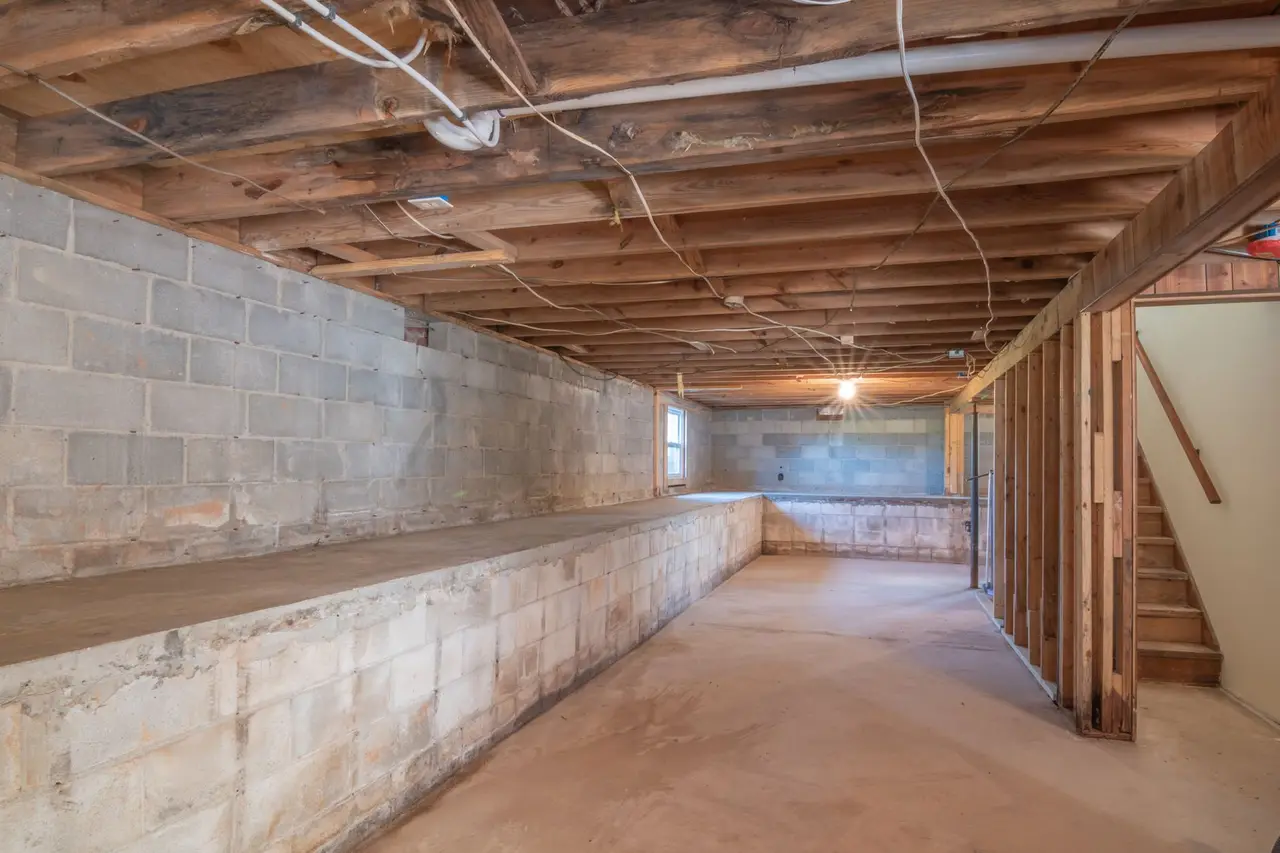
Contaminated drywall, insulation, and trim come out and get bagged for disposal. We HEPA vacuum every exposed surface, then apply antimicrobial spray to framing and sheathing. A fogger reaches into corners and crevices that a spray bottle cannot. This phase runs one to three days for most Dallas homes.
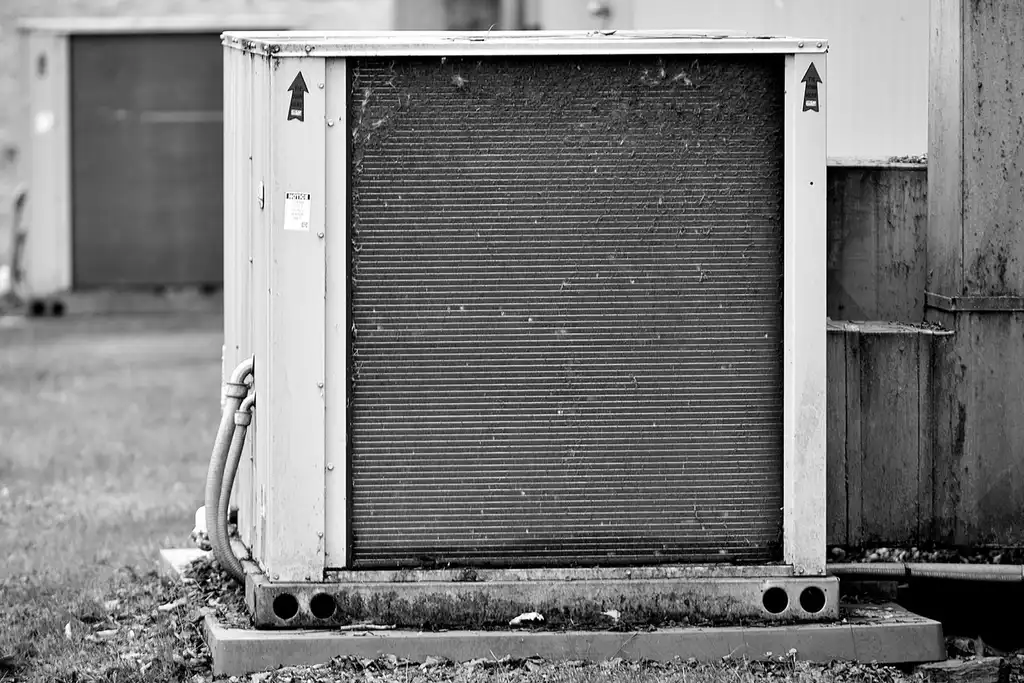
Dri-Eaz dehumidifiers and air movers run until framing moisture reads below 16 percent on our meter. That usually takes two to four days. We take clearance samples and send them to the lab. If spores are still elevated, we reclean at no extra charge before we close anything up.
We install new insulation and mold-resistant drywall, then tape, float, texture, and paint. The final walkthrough covers the lab report, photos of the work, and maintenance steps to keep moisture down. Most full jobs wrap in seven to fourteen days from start to finish.
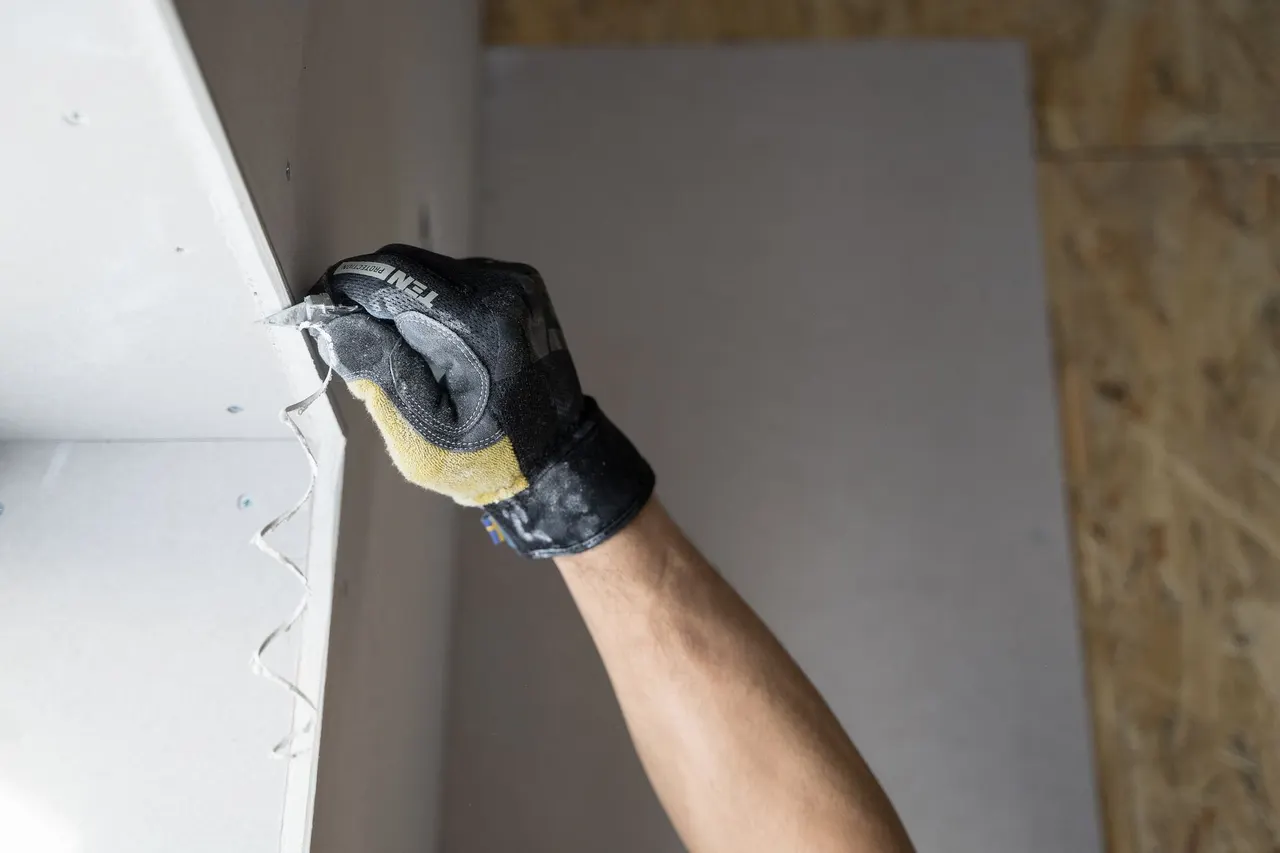
Move across a circle, or focus it and press Enter, for an illustrative thermal view of the photograph.

Finds temperature differences behind walls that indicate hidden moisture. We use it to locate leaks and mold growth without tearing open every surface.
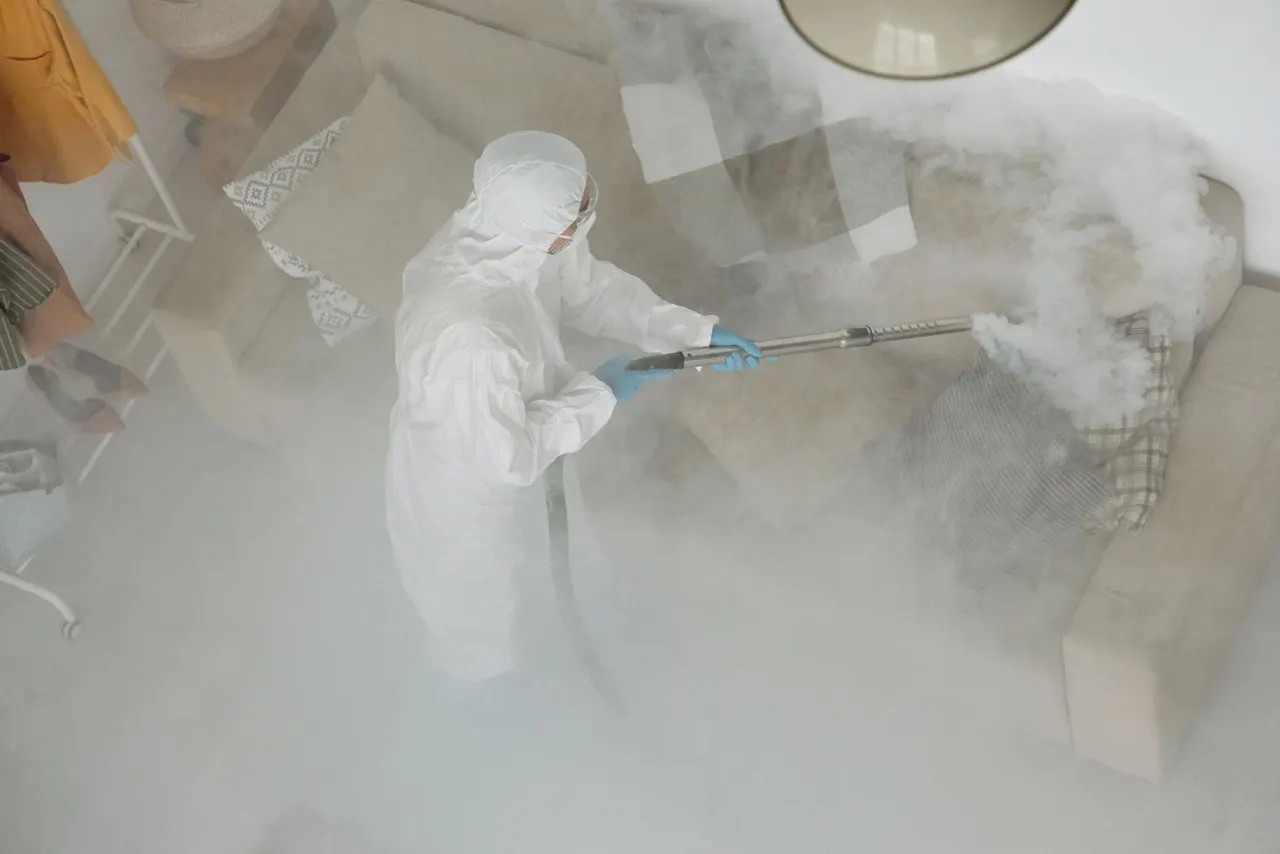
Reads exact moisture content in drywall, framing, and subfloor. We log readings before and after drying to confirm the structure is ready for rebuild.

Pulls air out of the containment zone through a HEPA filter. This keeps spores from drifting into clean rooms while we work.

Captures mold spores and fine debris from surfaces without releasing them back into the air. We vacuum every exposed cavity after removal.

Removes moisture from the air inside containment. We run these alongside air movers until framing moisture drops below 16 percent.
Thermal views are illustrative, generated from the photographs.
A small camera that lets us see inside wall cavities and ductwork without cutting large openings. We use it to confirm mold growth before removal.
Applies antimicrobial treatment in a fine mist that reaches corners and crevices a spray bottle cannot. Used after HEPA vacuuming on framing and sheathing.
The industry standard for mold remediation that sets rules for containment, removal, cleaning, and clearance. We follow it on every job, which means documented moisture readings and lab-verified clearance before we rebuild.
We seal off the work zone with 6-mil polyethylene sheeting and negative air pressure. This keeps spores inside the containment and protects the rest of your home during removal.
After removal, we apply EPA-registered antimicrobial products to framing, sheathing, and subfloor. These stop regrowth on surfaces that stay in place. We also use Benefect and RMR-86 where appropriate.
Air scrubbers with HEPA filters run continuously during remediation. They cycle the air in the containment zone, capturing spores and fine particles so they do not settle on clean surfaces.
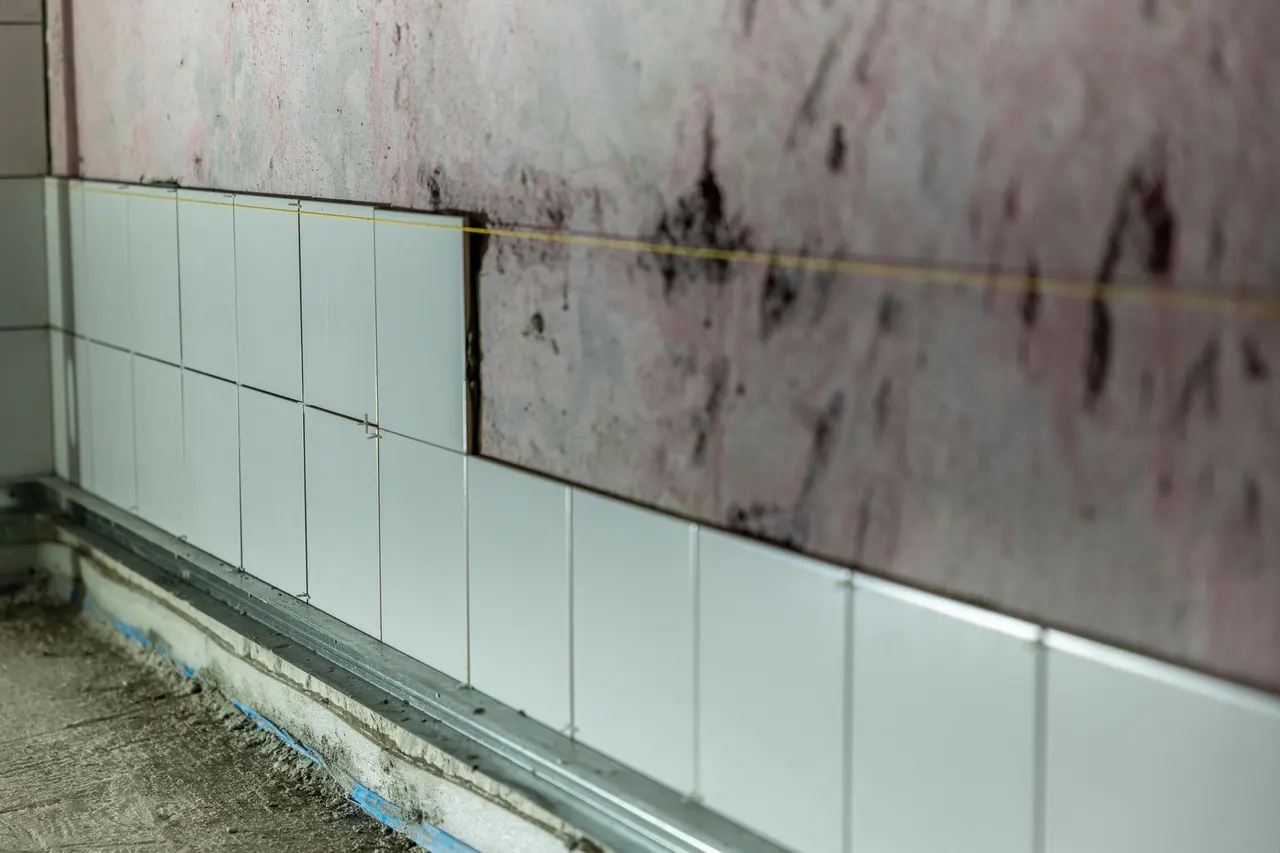
A pipe bursts under the kitchen sink overnight and soaks the cabinet and adjacent drywall.
We extract standing water, set up air movers and a dehumidifier, and check the wall cavity with a moisture meter. If mold has started, we contain the area, remove affected drywall, and treat the framing.
Outcome: The kitchen is dry, mold-free, and rebuilt within a week. You avoid a much larger remediation bill down the road.
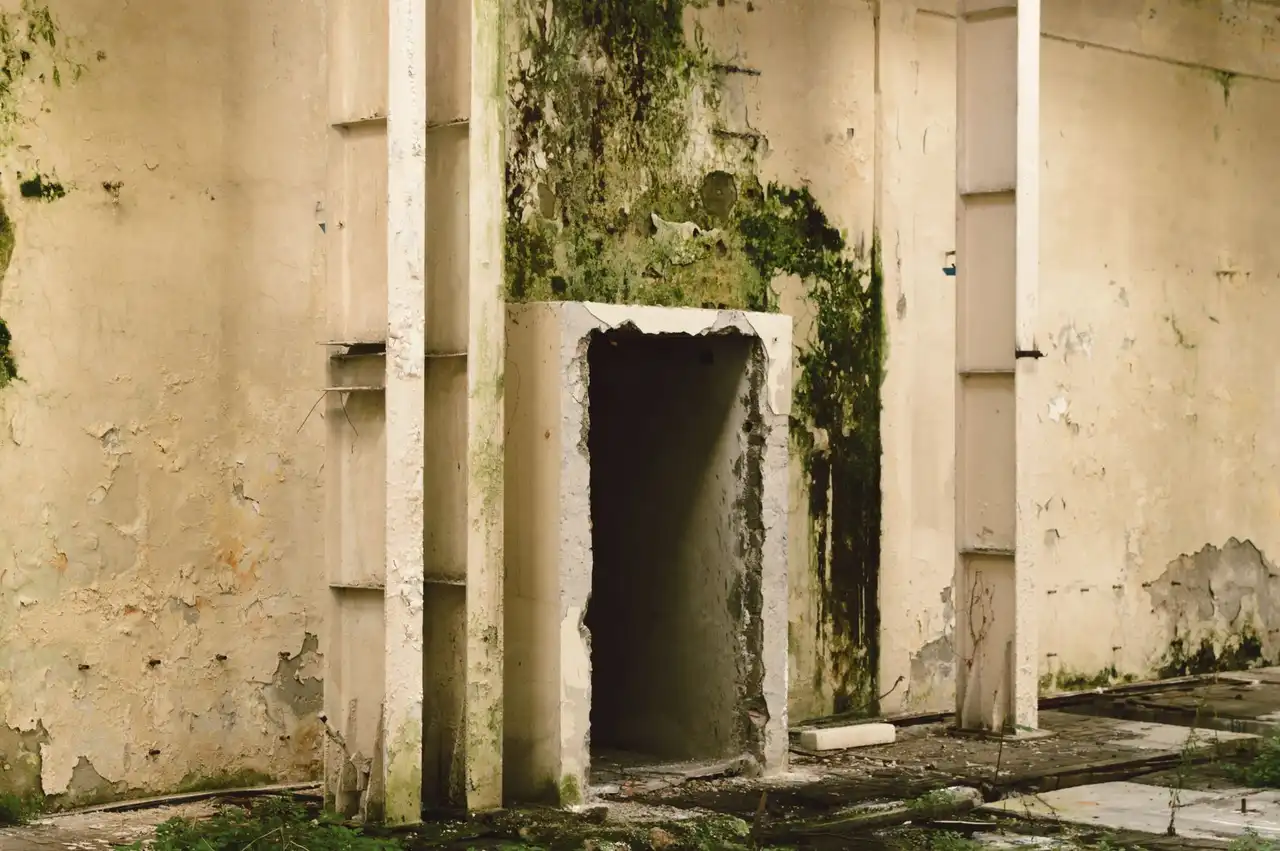
A spring storm pushes water under the back door and soaks the baseboards and carpet in the living room.
We pull back the carpet, extract water from the pad, and check the baseboards and drywall with a thermal camera. Any moldy material comes out, and we dry the framing before reinstalling.
Outcome: The living room is restored with new baseboards and pad. Lab clearance confirms no mold growth remains.

The AC drain line clogs in July and water overflows the pan into the hallway ceiling.
We cut out the wet ceiling drywall, treat the framing above, and run dehumidifiers until moisture reads below 16 percent. New mold-resistant drywall goes up after clearance.
Outcome: The ceiling is repaired and painted to match. The AC drain gets cleared so the problem does not repeat next summer.
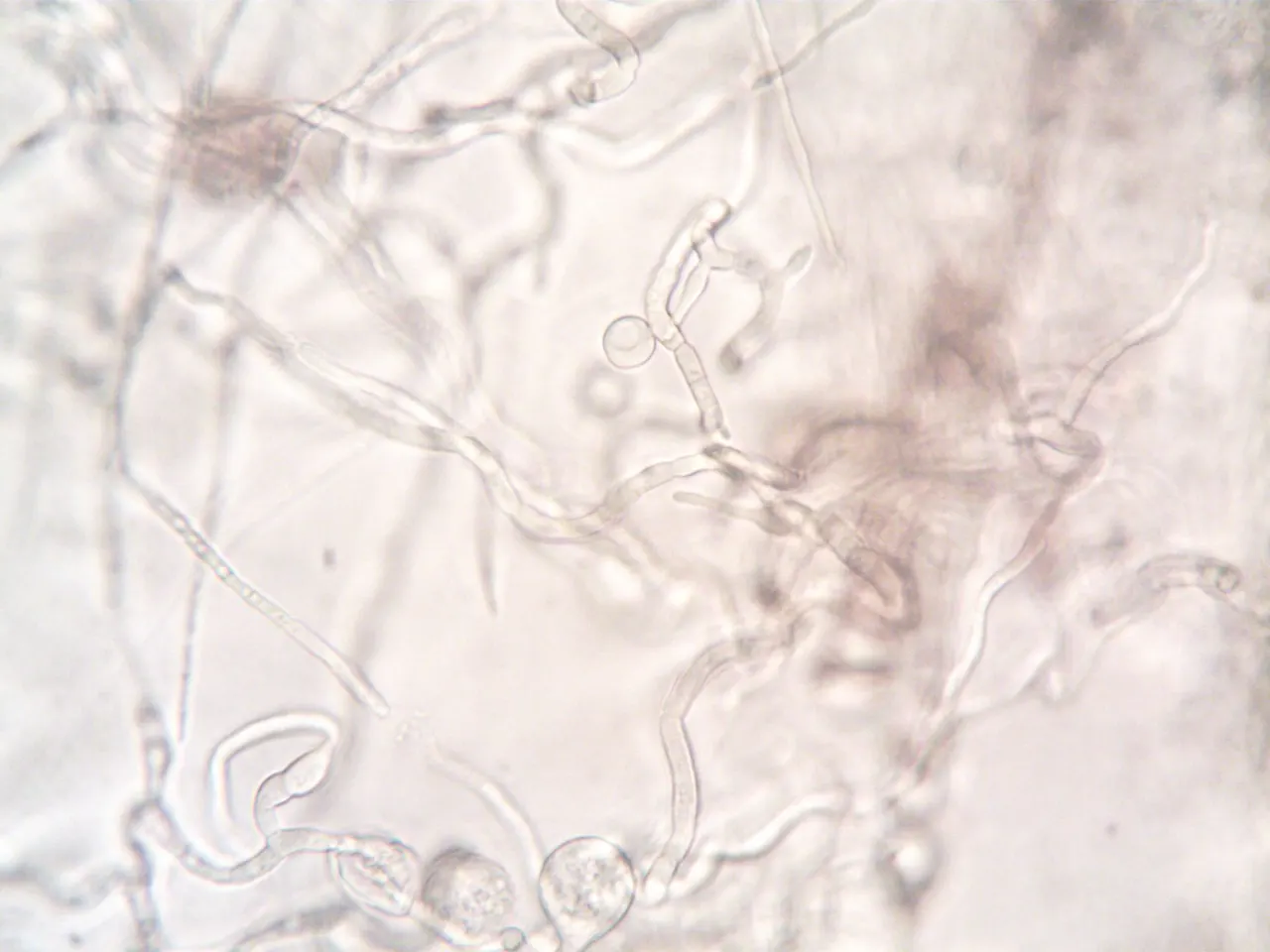
You notice a musty smell in the guest bedroom that gets worse when the AC runs.
We inspect the air handler and ductwork, take air samples, and check the bedroom walls with a moisture meter. If mold is in the ducts, we clean and sanitize the system.
Outcome: The odor is gone, air quality tests clean, and you know exactly where the moisture was coming from.
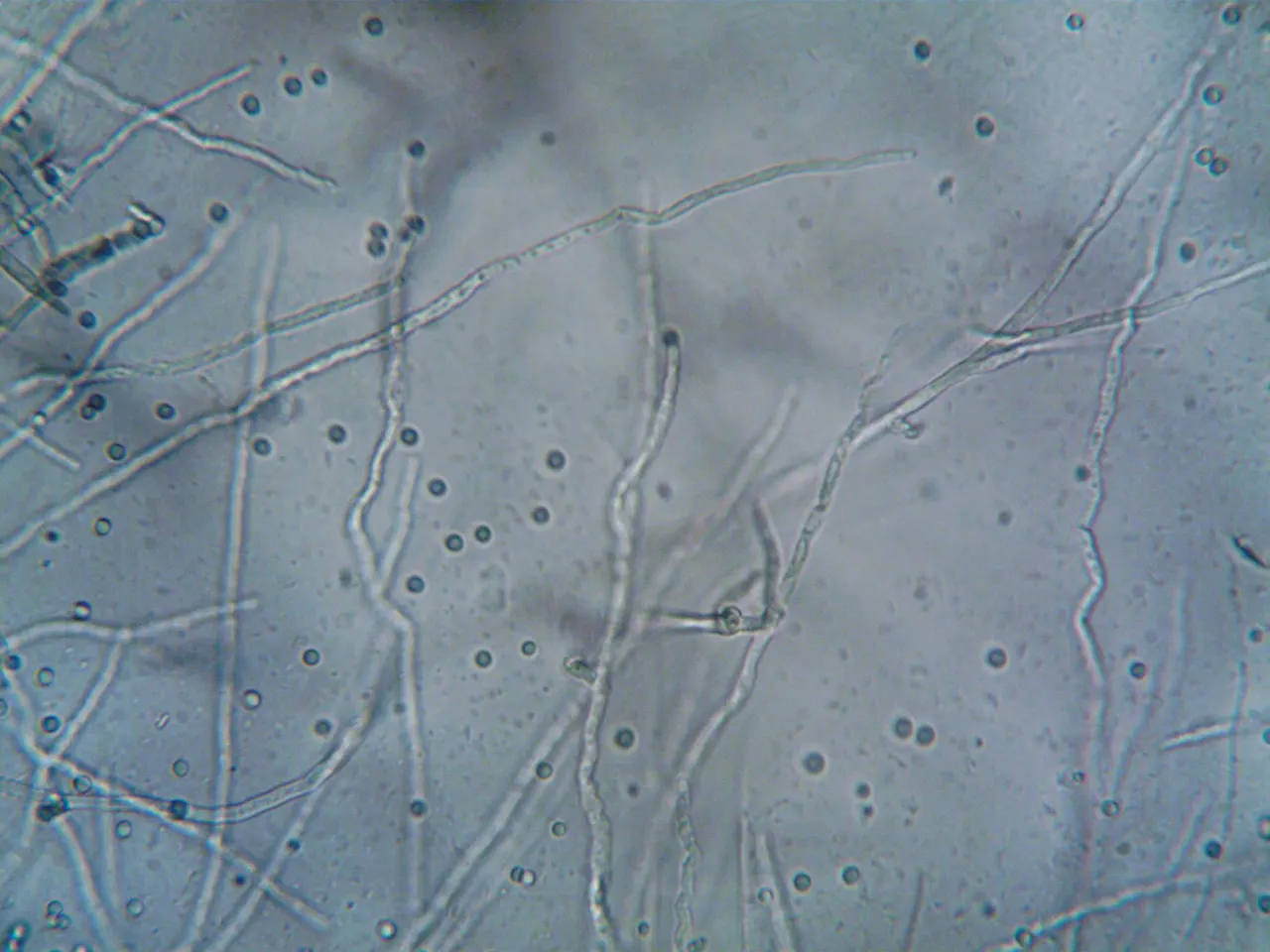
You are buying a home in Dallas and the inspection report flags possible mold in the attic.
We do a full inspection with thermal imaging and lab testing. You get a written report with photos and spore counts that you can use in negotiations or to plan the repair.
Outcome: You know the scope and cost before you close. No surprises after you move in.
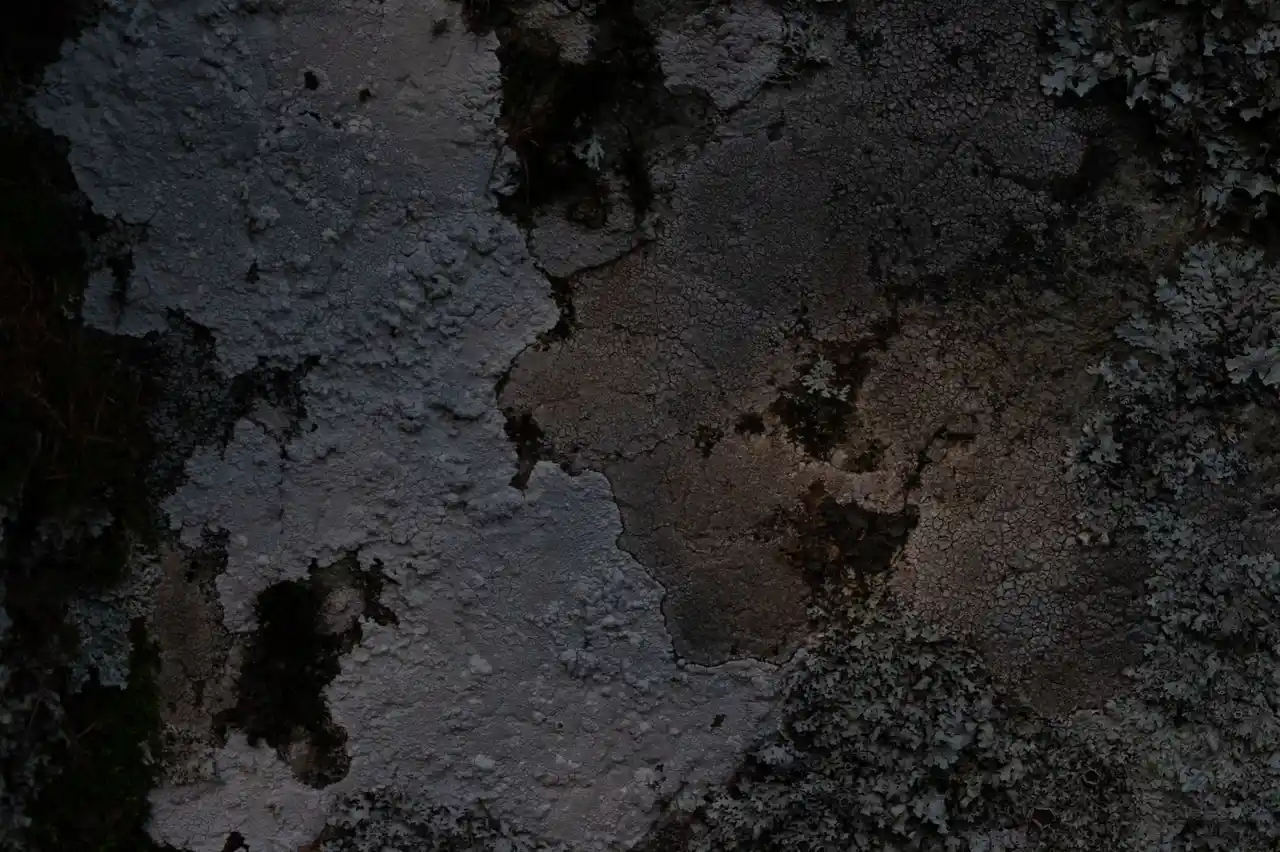
Dallas homes face mold pressure from two directions: summer heat and spring storms. Attic temperatures above 140 degrees bake roof decking, and any slow leak from a roof flashing or AC drain line turns into mold within 48 to 72 hours. Spring storms drive rain sideways into brick veneer and around window frames, soaking wall cavities that stay wet for weeks.
Older homes in the M Streets and Kessler Park have galvanized supply lines that pinhole and drip inside walls. Newer builds in Uptown and Victory Park are tight enough that a small AC condensate overflow raises indoor humidity fast. We handle residential mold treatment Dallas homeowners need after all of these scenarios.
Whether you are in ZIP 75230 near Preston Hollow or 75236 in Oak Cliff, we know the housing stock and the moisture problems that come with it.
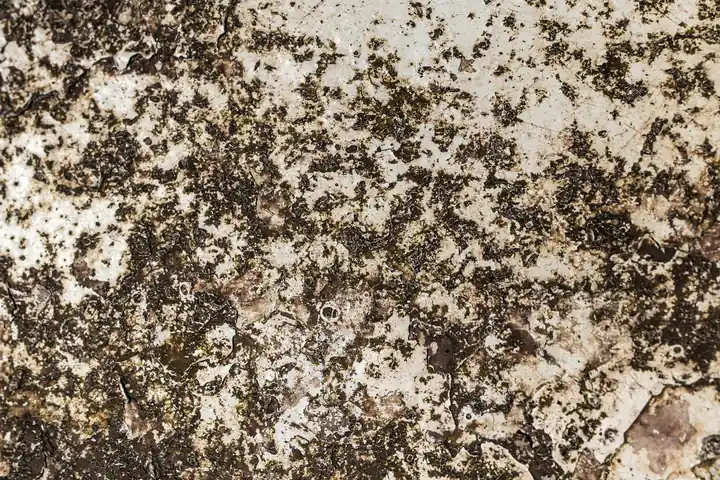
Before: A spring storm damaged roof flashing and water ran into the attic for three weeks before the homeowner noticed dark staining on the ceiling below. Insulation was soaked, and mold covered roughly 200 square feet of roof decking.
After: We removed the wet insulation, treated the decking with antimicrobial spray, and ran dehumidifiers for four days. Lab clearance came back clean on the first test. New insulation and a roof repair were completed within ten days.
Check attic after any major storm and keep gutters clear. Fix roof flashing promptly. Run a dehumidifier in the attic during humid months if ventilation is limited.
Before: The AC drain line clogged in July and overflowed the pan into the hallway ceiling. Water ran behind the bathroom wall for two weeks. Drywall showed black mold across a 6-foot section, and the musty smell filled the hallway.
After: We cut out the moldy drywall, treated the framing, and dried the cavity for three days. New mold-resistant drywall was installed, textured, and painted to match. Clearance testing confirmed no mold remained.
Pour a cup of vinegar down the AC drain line monthly during cooling season. Check the pan for standing water. Replace filters every 60 to 90 days.
Before: A 1940s bungalow had no vapor barrier, and floor joists were covered in white and black mold. The homeowner noticed a musty smell in the living room and squeaky floors. Moisture readings on joists were above 20 percent.
After: We removed mold from all joists and subfloor, installed a 12-mil vapor barrier, and set up drainage to move water away from the foundation. Moisture readings dropped below 14 percent. The musty smell was gone within a week.
Keep the vapor barrier intact and check it annually. Make sure downspouts discharge at least 6 feet from the foundation. Run a dehumidifier in the crawl space during humid months.
Mold shows up in different ways depending on where the water is coming from. Here are the most common problems we fix in Dallas County homes, and what happens if you wait.
A dry, mold-free home with lab results to prove it.
Removing mold without fixing the water is wasted money. We trace the source with a moisture meter and thermal imaging camera, whether it is a roof leak, a supply line pinhole, or condensation on a duct. We document what we find and coordinate the repair so the growth does not return next season.
We seal off the work zone with polyethylene sheeting and run negative air machines so spores cannot drift into bedrooms or kitchens. HEPA air scrubbers cycle the room air continuously. For safe mold removal for families Dallas TX, this containment step matters more than any spray we apply.
You get a written scope listing exactly what gets removed, what gets cleaned, and what gets rebuilt. No surprise line items. If we find more growth once the wall is open, we stop, show you photos, and explain the added cost before we continue.
We do not leave you with open walls and a phone number for a drywall guy. Our team hangs mold-resistant drywall, tapes, floats, and textures to match. One crew from containment through final paint means fewer scheduling gaps and a faster return to normal.
Clear records you can keep and share.
Before, during, and after photos of work
Daily readings showing drying progress
Written list of what was removed and rebuilt
Not all mold is the same. Knowing what you are dealing with helps you understand the scope.
Grows on visible surfaces like drywall and trim
Grows inside wall cavities and under floors
Rooted into framing, subfloor, or decking
A list like this tells people straight away whether you cover their street. Not listed? Call and ask: it only takes a minute.
Based in Dallas and covering the places around it. Pick one for local details.
Typical 2026 pricing depends on square footage affected, how much drywall and insulation comes out, and whether rebuild is included. We give you a written scope with line-item pricing before any work begins.
A single-room job usually takes three to five days from containment to clearance. Whole-home projects with attic or crawl space involvement run seven to fourteen days, including drying and rebuild. The drying phase alone takes two to four days because we wait for framing moisture to read below 16 percent before we close walls. Lab clearance adds 24 to 48 hours.
In most cases, yes. If the work zone is contained and you have a separate living area, you can stay. We seal the area with polyethylene sheeting and run negative air machines so spores stay inside the containment. For large jobs or if anyone in the home has asthma or a compromised immune system, we recommend staying elsewhere during the removal phase, typically one to three days.
It depends on the cause. Sudden events like a burst pipe or storm-driven water intrusion are often covered. Long-term neglect or slow leaks that went unfixed for months usually are not. We document everything with photos, moisture logs, and a written scope so your adjuster has what they need. We can also walk you through the claim process before you file.
Other services from the same team.
If you see dark spots, smell something musty, or just had a water leak, call us. We inspect, test, and give you a written scope with pricing before any work begins. Same-day response across Dallas County.
Call (214) 817 0145 or email [email protected] to schedule an inspection. We answer the phone Monday through Friday, 8:00 AM to 6:00 PM, and we return after-hours messages first thing the next morning. Same-day inspections are available across Dallas County when you call before noon.