How to Choose a Mold Inspector in Dallas
Choosing the right mold inspector in Dallas comes down to three things: independent testing, documented certifications, and a written protocol you can hand to any remediator.
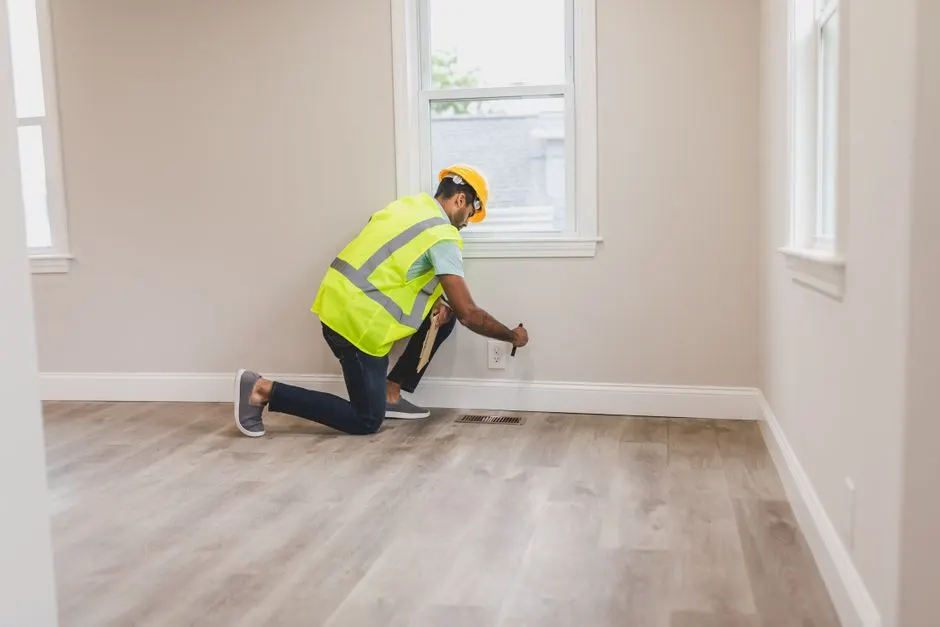
Choosing a mold inspector in Dallas comes down to three things: they must test independently of the company doing the repairs, they must carry documented industry certifications, and they must hand you a written protocol specific to your property. If an inspector skips any of those, keep looking. This guide walks through what a real inspection includes, what certifications matter in Texas, what 2026 pricing looks like in Dallas, and the exact questions to ask before you sign anything.
We run Mold Remediation Dallas TX and we get calls every week from homeowners who paid for an inspection that told them nothing useful. Here is how to avoid that.
What a Mold Inspector Actually Does
A mold inspector in Dallas is a trained assessor who identifies mold growth, moisture sources, and airborne spore levels in a building and documents them in a written report. That report is the foundation for everything that follows.
A proper inspection takes two to four hours for a typical 2,000-square-foot Dallas home. The inspector walks the property with a moisture meter and a thermal imaging camera, checks the attic decking, the HVAC air handler, under every sink, behind the washing machine, and the crawl space if you have one. They take air samples - usually one outdoor control sample and two to four indoor samples - plus surface swabs or tape lifts from visible growth.
Samples go to an accredited third-party lab. Results come back in 24 to 72 hours and list spore types and counts per cubic meter. You want the raw lab report, not just a summary page. If the inspector cannot or will not give you the lab's original document, that is a problem.
The written report should include:
- Photos of every area with elevated moisture or visible growth
- Moisture readings with the meter type used
- Lab results with spore counts and species identified
- A scope of work describing what needs to be removed, cleaned, or dried
- Containment and air scrubbing requirements if remediation is needed
That last item - the scope of work - is what separates a real inspection from a sales visit. Without it, you have no way to compare remediation bids or verify the job was done correctly.
What Certifications Should a Dallas Mold Inspector Have?
A Dallas mold inspector should hold at least one nationally recognized certification, and the two that carry the most weight are the ACAC Certified Mold Inspector (CMI) and the NORMI Certified Mold Inspector credential. Both require coursework, an exam, and continuing education.
The ACAC - American Council for Accredited Certification - is the standard most insurance adjusters and real estate attorneys in Texas recognize. A CMI or CIEC (Certified Indoor Environmental Consultant) through ACAC means the inspector passed a proctored exam and maintains their credential with ongoing training. You can verify any ACAC certification on their public directory in about two minutes.
NORMI - the National Organization of Remediators and Mold Inspectors - offers a similar track. Their certifications are common among Texas inspectors and are accepted by most carriers.
IICRC is the third name you will see. The IICRC focuses on remediation and restoration (their WRT and ASD certifications), not inspection. An inspector holding only IICRC credentials is not necessarily qualified to assess - those certifications are for the crew doing the removal.
Ask for the certification number and the expiration date. Then verify it. An expired credential is the same as no credential.
Are Mold Inspectors in Dallas Licensed?
Texas does not license mold inspectors or mold remediation contractors at the state level. There is no Texas Department of Licensing and Regulation mold program, and no state-issued mold license number exists.
That surprises most homeowners. It also means the certification question above matters more here than it would in a licensed state like Florida or Louisiana. When there is no state license, the only proof of competence is a third-party certification, a documented track record, and references you actually call.
Dallas does require a standard business permit to operate, and any inspector working on your property should carry general liability insurance - ask for a certificate of insurance with at least $1 million in coverage. If they damage drywall, ductwork, or a roof during the inspection, that policy is what pays for it.
Some inspectors also carry Errors & Omissions (E&O) coverage. That protects you if the inspection misses something significant. It is not required, but it is a good sign.
How Much Does a Mold Inspector Cost in Dallas?
Typical 2026 pricing for a mold inspection in Dallas runs $350 to $700 for a standard single-family home, and $700 to $1,200 or more for larger properties, multi-unit buildings, or inspections that include a crawl space and full HVAC assessment.
Here is what drives the number:
- Square footage. A 1,200-square-foot condo takes less time than a 4,000-square-foot Preston Hollow home.
- Number of samples. Air samples run $50 to $85 each through the lab. A typical inspection uses three to five.
- Crawl space or attic access. Both add time and sometimes a second inspector.
- HVAC assessment. If the air handler or ductwork is suspect, that is a separate scope.
- Travel. Most Dallas inspectors cover the metro at no extra charge. Outlying areas may add a trip fee.
Be cautious of inspections priced under $200. That usually means no lab samples, no thermal imaging, and a one-page report. You are paying for a sales pitch, not an assessment.
If you need remediation after the inspection, we provide mold testing Dallas Texas and full remediation under one roof - but we will always tell you when an independent inspector is the better call for your situation.
Independent Inspector or Remediation Company?
The cleanest arrangement is an independent inspector who does not perform remediation. They have no financial incentive to find more mold than exists, and their report is neutral evidence if you ever need it for an insurance claim or a real estate dispute.
That said, many Dallas homeowners hire a remediation company that also inspects. It is legal, it is common, and it can save time. The key is transparency: the company should disclose the relationship up front and give you the raw lab data either way.
If you go with a combined inspector-remediator, ask one direct question: "If the lab comes back clean, will you tell me no work is needed?" A straight yes is what you want. A hedge is a red flag.
For real estate transactions, most Dallas buyers' agents will push for an independent inspector. That is the right call. A neutral third-party report carries more weight during negotiations and protects both sides.
Questions to Ask a Mold Inspector in Dallas Texas
These are the questions we tell our own customers to ask any inspector, including us. The answers tell you more than any website copy will.
- What certifications do you hold, and what are the numbers? (Write them down and verify.)
- Do you perform remediation, or only inspection?
- How many air samples will you take, and what does each cost?
- Which lab do you use, and is it accredited?
- How long until I get the written report and the raw lab data?
- Does the report include a scope of work I can hand to a remediator?
- Are you insured, and can you send a certificate of insurance?
- How many mold inspections have you done in Dallas County in the last 12 months?
If an inspector cannot answer questions 1, 4, and 6 without hesitation, move on. Those three are the backbone of a legitimate inspection.
For homeowners in older neighborhoods - say, a 1940s bungalow in East Dallas mold remediation TX territory - add a question about pier-and-beam foundations and crawl space moisture. Those homes have specific issues that a generic inspector may miss.
What to Watch Out For
The mold inspection industry in Dallas has plenty of legitimate operators and a handful of bad ones. Here is what separates them.
Free inspections that turn into $15,000 remediation quotes. If the inspection is free, the inspection is the sales call. You will almost always be told you have a serious problem. Get a second opinion before you sign anything.
No lab report, only a summary. A one-page report with a severity rating and no raw data is not an inspection. It is a proposal.
Pressure to decide today. Mold does not double overnight. Any inspector who tells you it does is selling, not assessing.
No insurance certificate. If they cannot produce one, they are not insured. Walk away.
Unverifiable certifications. "Certified mold inspector" without a credential number and an issuing body is marketing language, not a qualification.
No scope of work. If the report does not tell a remediator what to remove, clean, and dry, it is incomplete.
One more: be wary of inspectors who recommend fogging the whole house as a first step. Fogging without removing the moisture source and the colonized material is a temporary fix. It comes back.
When to Call a Professional
Call a professional inspector when you can see or smell mold and cannot find the moisture source, when you have had water intrusion in the last 60 days, or when someone in the home has unexplained respiratory symptoms that improve when they leave.
You should also call if you are buying or selling a home in Dallas and the seller's disclosure mentions past water damage. A $400 inspection is cheap compared to discovering a $12,000 remediation problem after closing.
If you are already past the inspection stage and know you have a problem, we handle home mold remediation Dallas Texas and can coordinate the inspection, lab work, and removal in one project. We also work with independent inspectors if you prefer a neutral assessment first.
For commercial properties - offices, restaurants, rental buildings - the scope is different and usually involves a written remediation protocol that satisfies both the property owner and any tenants. We handle that under commercial mold removal Dallas Texas.
Frequently Asked Questions
How do I choose a mold inspector in Dallas TX?
Verify their certification through ACAC or NORMI, confirm they carry at least $1 million in liability insurance, and require a written report with raw lab data and a scope of work. Expect to pay $350 to $700 for a standard single-family home in 2026.
What certifications should a Dallas mold inspector have?
The two that matter most are ACAC Certified Mold Inspector (CMI) and NORMI Certified Mold Inspector. Both require an exam and continuing education. IICRC credentials cover remediation, not inspection, so they are not a substitute. Always verify the credential number directly with the issuing body.
How much does a mold inspector cost in Dallas?
Standard single-family inspections run $350 to $700 in 2026. Larger homes, crawl spaces, and HVAC assessments push that to $700 to $1,200 or more. Air samples add $50 to $85 each. Anything under $200 usually means no lab work.
Are mold inspectors in Dallas licensed?
No. Texas does not license mold inspectors or remediators at the state level. There is no state license number to check. That is why third-party certification, verifiable insurance, and a documented track record are the only real proof of competence here.
Should the inspector also do the remediation?
It is legal and common in Dallas, but an independent inspector gives you a neutral report with no financial incentive to find more mold. For real estate transactions or insurance claims, use an independent inspector. For straightforward residential jobs, a combined company is fine as long as they disclose the relationship.
Get Help with Mold Remediation in Dallas
If your inspection turned up mold and you need it removed correctly, we handle the full scope - containment, removal, antimicrobial treatment, and clearance testing. Call us at (214) 817 0145 and we will walk you through what the job involves before anyone sets foot in your home.