



Homes in Lancaster
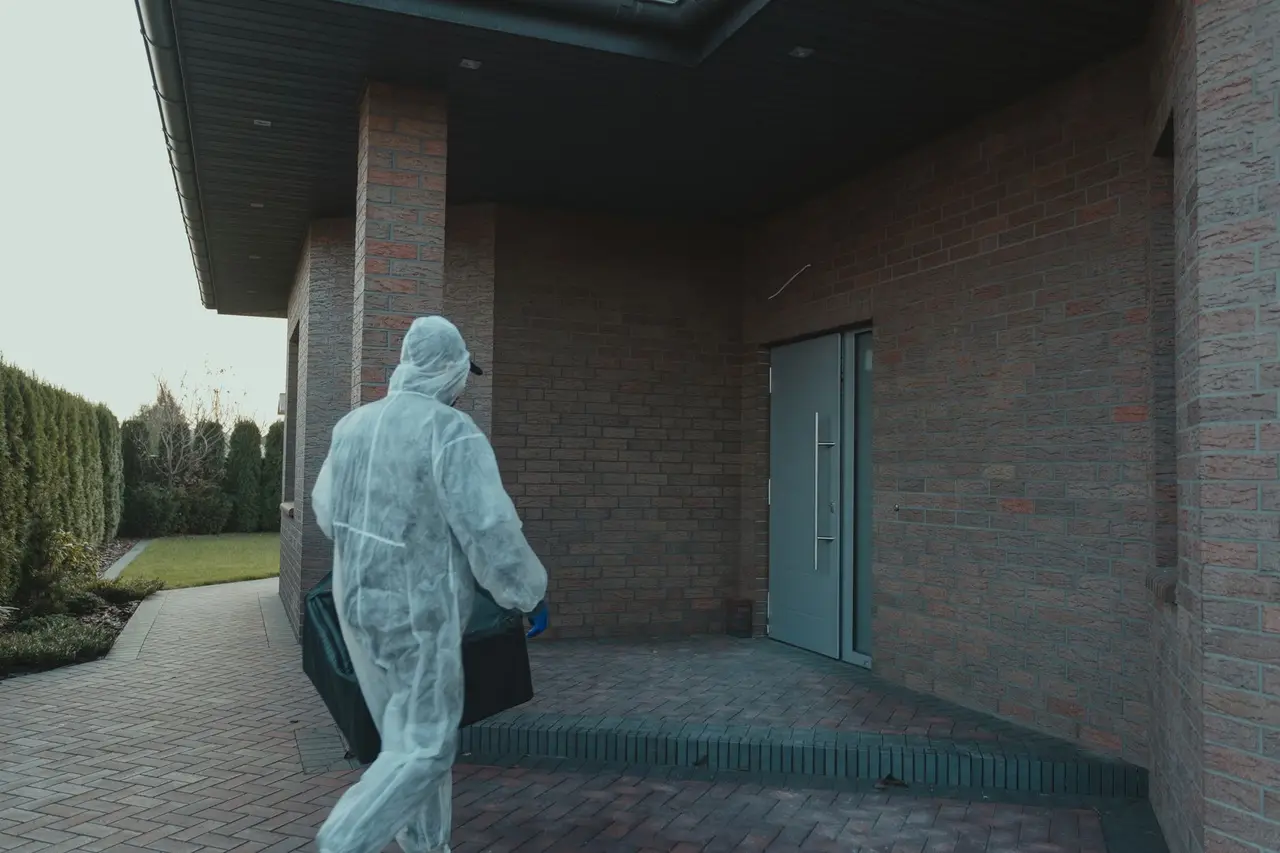
We work in occupied homes across Lancaster and plan around your schedule. Floors and furniture get protected before containment goes up.
- Pre-1990 homes
- Attic and crawl space
- Bathroom and kitchen walls
- HVAC and ductwork
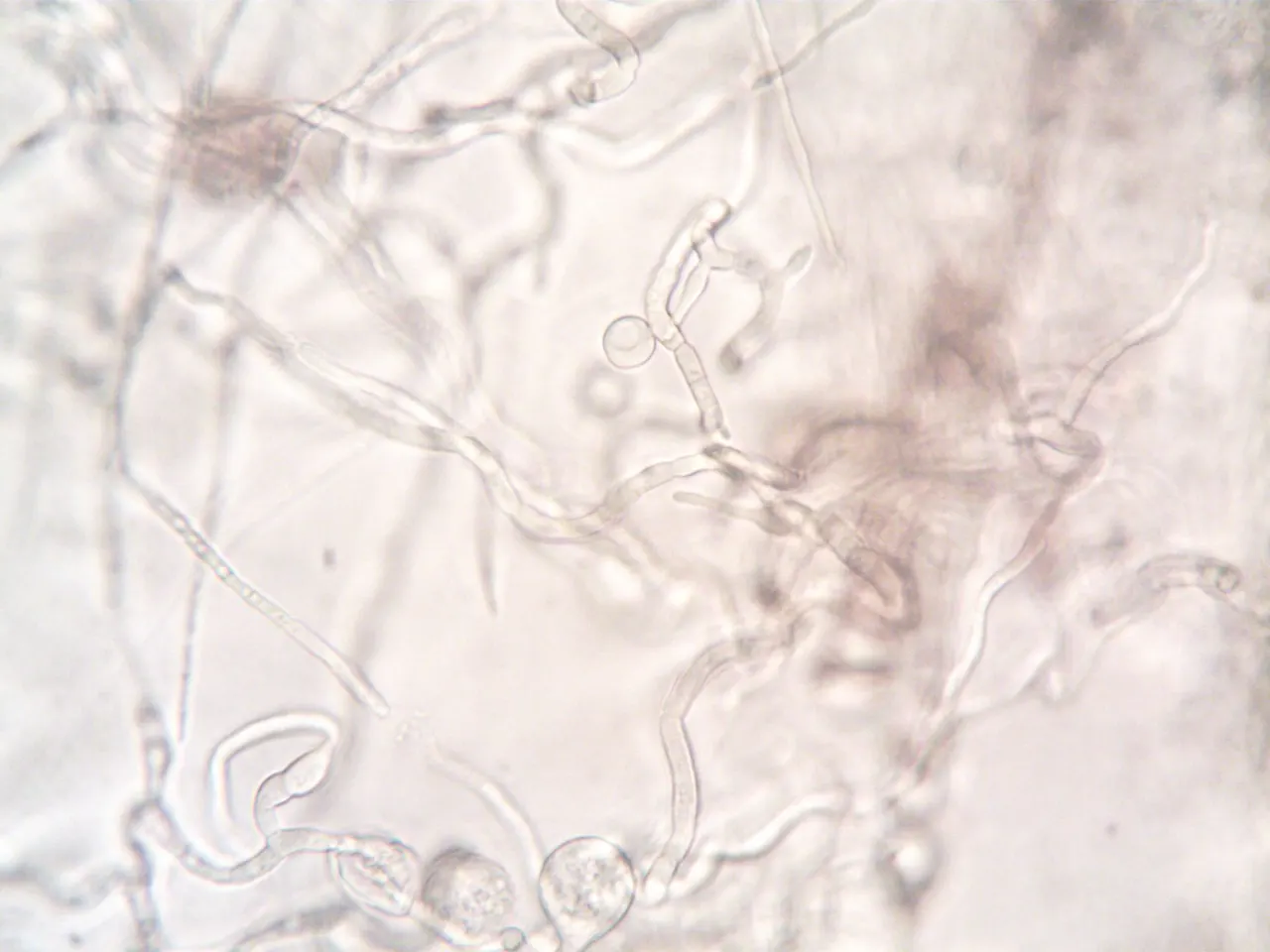
Mold Remediation in Lancaster means finding the moisture first, then removing the growth. Lancaster sits in a humid pocket of Dallas County where older homes, clay soil and long cooling seasons keep attics and crawl spaces damp.
3102 Commerce St, Dallas, TX 75226, USA, Dallas, Texas
Serving Lancaster and nearby
Mold Remediation in Lancaster is a moisture-control job before it is a cleaning job. Lancaster gets Gulf humidity that pushes indoor relative humidity past 60 percent for weeks at a time, and that is the range where mold spores colonize drywall paper and wood framing. Our crews have worked Lancaster since 2015, from the older bungalows near Lancaster Historic Town Square to newer builds off Pleasant Run.
We start every job with a full inspection: thermal imaging camera to find hidden moisture, moisture meter readings on framing and drywall, and a boroscope into wall cavities where a roof leak or plumbing leak has been running unseen. From there we set containment with polyethylene sheeting, run a negative air machine with HEPA filters, and remove affected material rather than painting over it.
If you searched for mold remediation near me Lancaster TX and got a dozen names, ask each one how they verify the moisture source is fixed. That answer separates a real remediation from a spray-and-pray.
Lancaster is a family-oriented suburban city with a housing mix that keeps mold work steady. Roughly half the housing stock was built before 1990, which means original cast iron drains, older roof decks and attic insulation that has been wet more than once.
Add high humidity from April through October and a rural feel on the southern edges where lots are larger and drainage is less controlled, and you get recurring moisture problems. We serve Lancaster ISD families, landlords near Cedar Valley College, and commercial property managers along the highway corridors.
Most calls come from three things: a roof leak after a spring storm, an HVAC drain pan overflowing in the attic, and a slow plumbing leak behind a kitchen or bathroom wall.
Good to know in Lancaster
Indoor relative humidity in Lancaster often sits above 60 percent for weeks, which is the range where mold colonizes drywall paper and wood framing. Attics and crawl spaces stay damp even without an active leak.
Downtown Lancaster has the oldest housing stock in the city, including bungalows and small commercial buildings near Lancaster Historic Town Square.
Much of Lancaster's housing was built before 1990, so roof leaks and slow plumbing leaks are common. Water can run inside a wall for months before a stain shows up on the interior.
Lancaster mold remediation TX demand runs in patterns. Spring storms drive roof leak and attic calls. Summer drives HVAC and condensation complaints. Fall and winter bring the slow leaks that have been feeding mold for months.
We inspect Lancaster homes with thermal imaging cameras and moisture meters, then take air and surface samples for lab analysis.
Black mold removal Lancaster TX calls usually start with a musty odor or a dark stain on drywall.
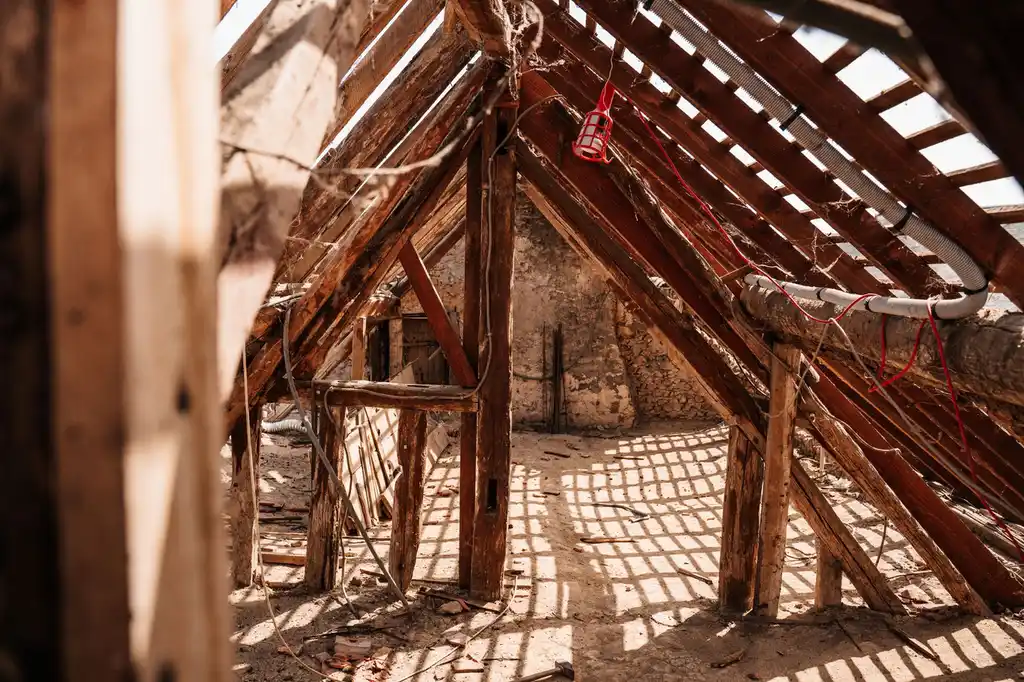
Attic mold is our most common Lancaster call. Roof leaks, poor ventilation and HVAC drain pans keep attic sheathing wet through the long cooling season.
Lancaster's clay soil holds water after heavy rain, and crawl spaces in older Millers Ferry and Rolling Hills homes stay damp for weeks.
Basements are less common in Lancaster than in northern states, but homes with converted lower levels or slab-on-grade additions still get mold.
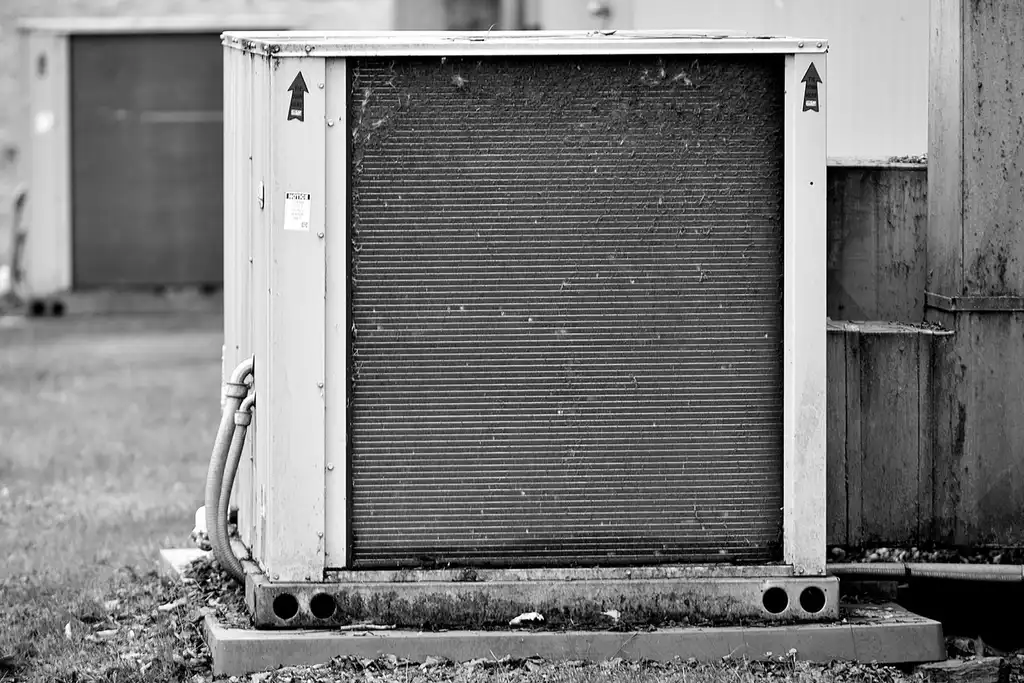
HVAC mold spreads spores through every room. In Lancaster, the culprit is usually a clogged condensate drain or an oversized system short-cycling in high humidity.
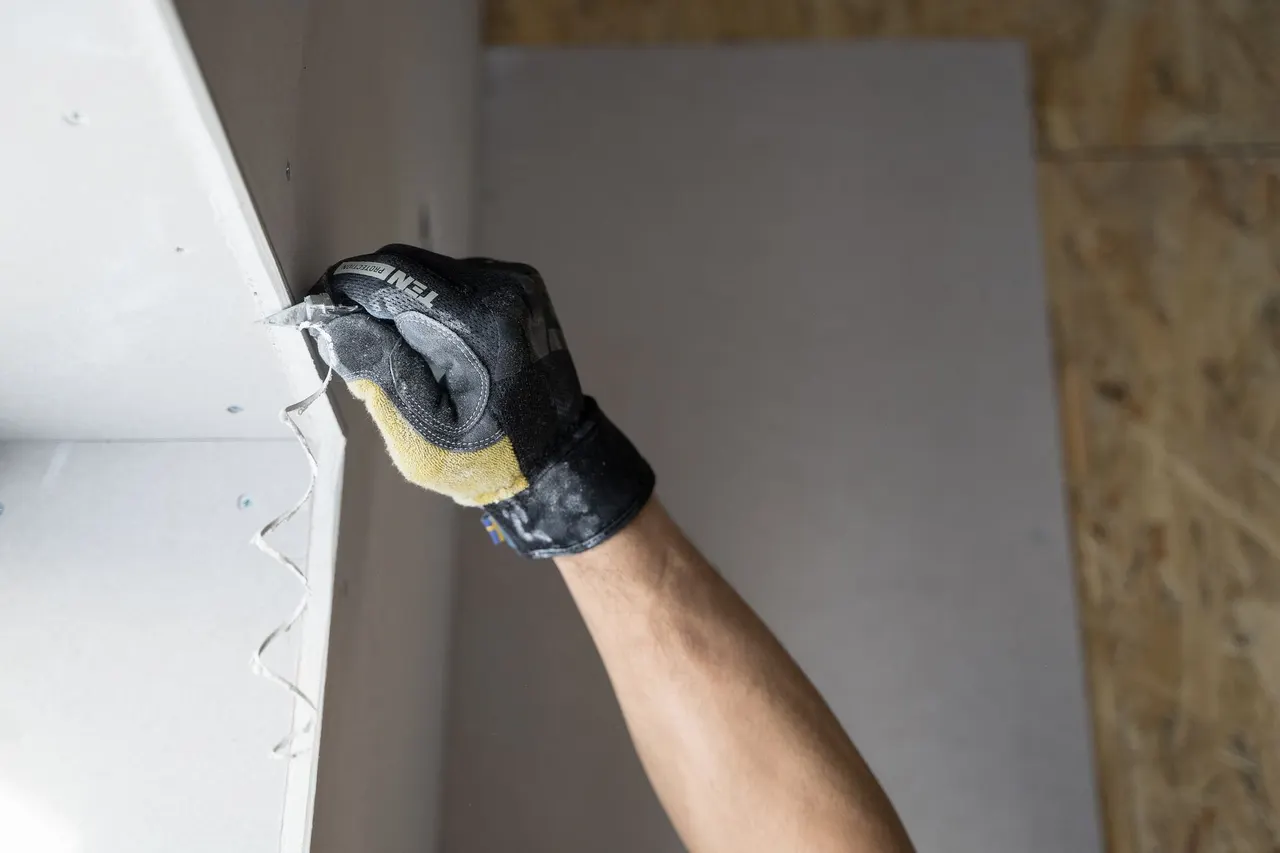
Drywall paper feeds mold fast. We cut out affected sections, HEPA vacuum the framing, treat with an antimicrobial spray, and replace with mold-resistant drywall where it makes sense.
Ductwork in Lancaster homes collects dust, pollen and mold spores, especially after a roof leak or HVAC issue.
After removal, we treat framing, subfloor and sheathing with an antimicrobial spray to stop regrowth.
Commercial mold removal Lancaster TX work covers offices, retail, restaurants and multi-family buildings.
Residential mold remediation Lancaster jobs range from a single bathroom wall to a full attic.
Apartment and condo mold work in Lancaster often involves shared walls, HVAC systems and upstairs neighbors' leaks.
Pick a service to see how we approach it here.
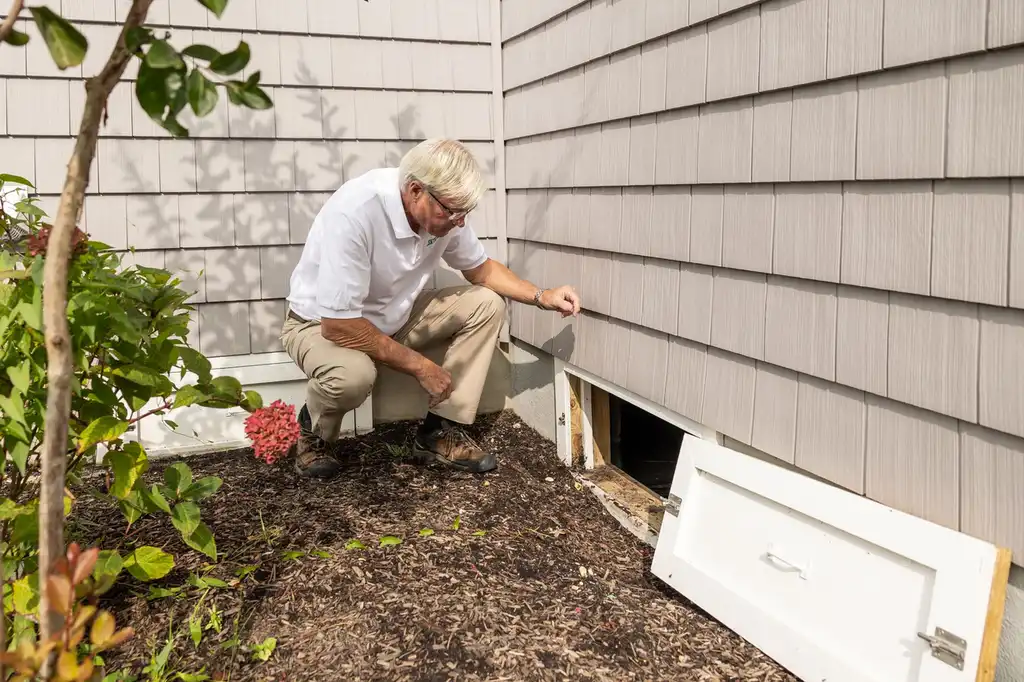
We start every Lancaster inspection by mapping moisture with a thermal imaging camera and a moisture meter. Attics and crawl spaces get a boroscope check where a leak may be hidden. We document readings and photos so you can see what we found.

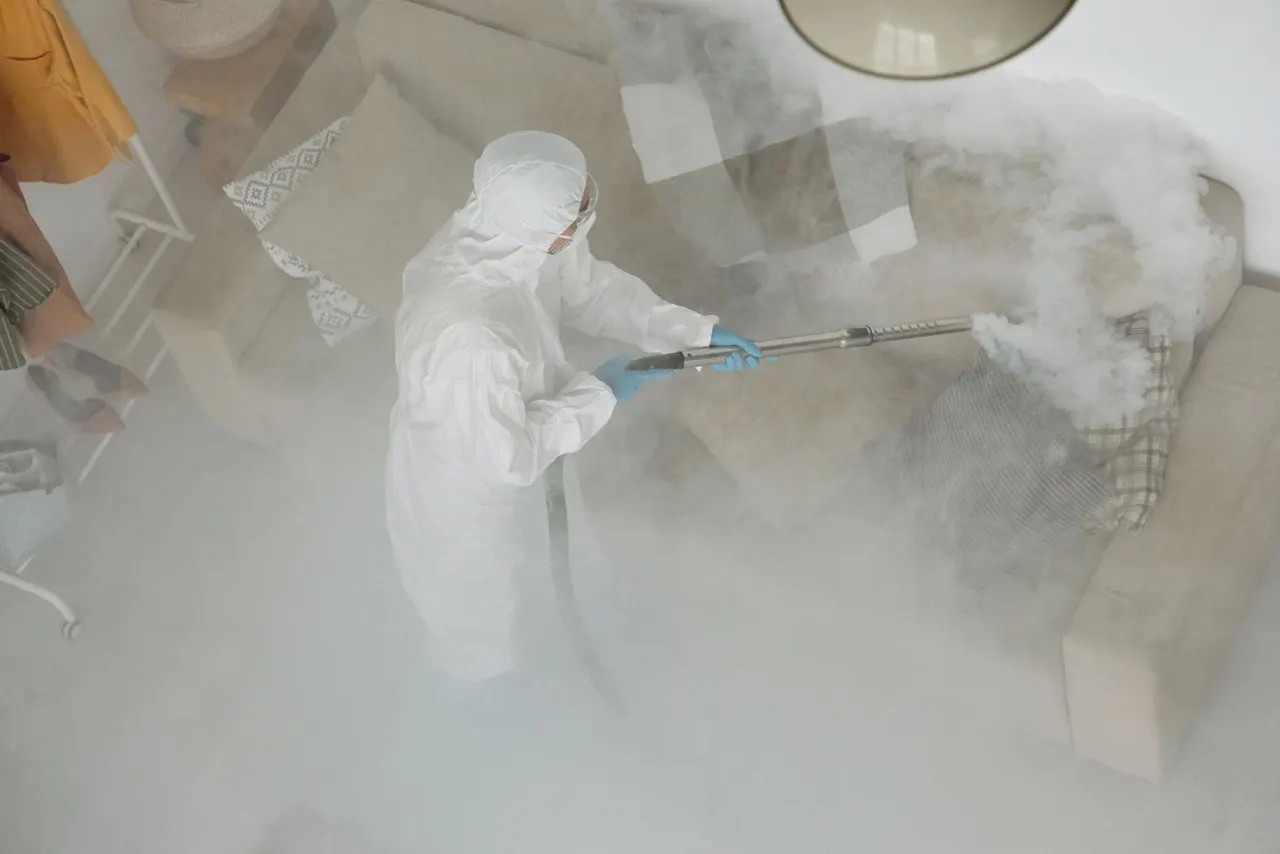
Black mold removal in Lancaster starts with containment. We seal the work area with polyethylene sheeting and run a negative air machine with HEPA filters. Affected drywall and insulation come out, then we HEPA vacuum framing and apply an antimicrobial spray.
Attic mold is common in Lancaster after roof leaks and long cooling seasons. We remove mold from roof decking and trusses, then replace wet insulation. We also check ventilation and flag the leak so the fix holds.
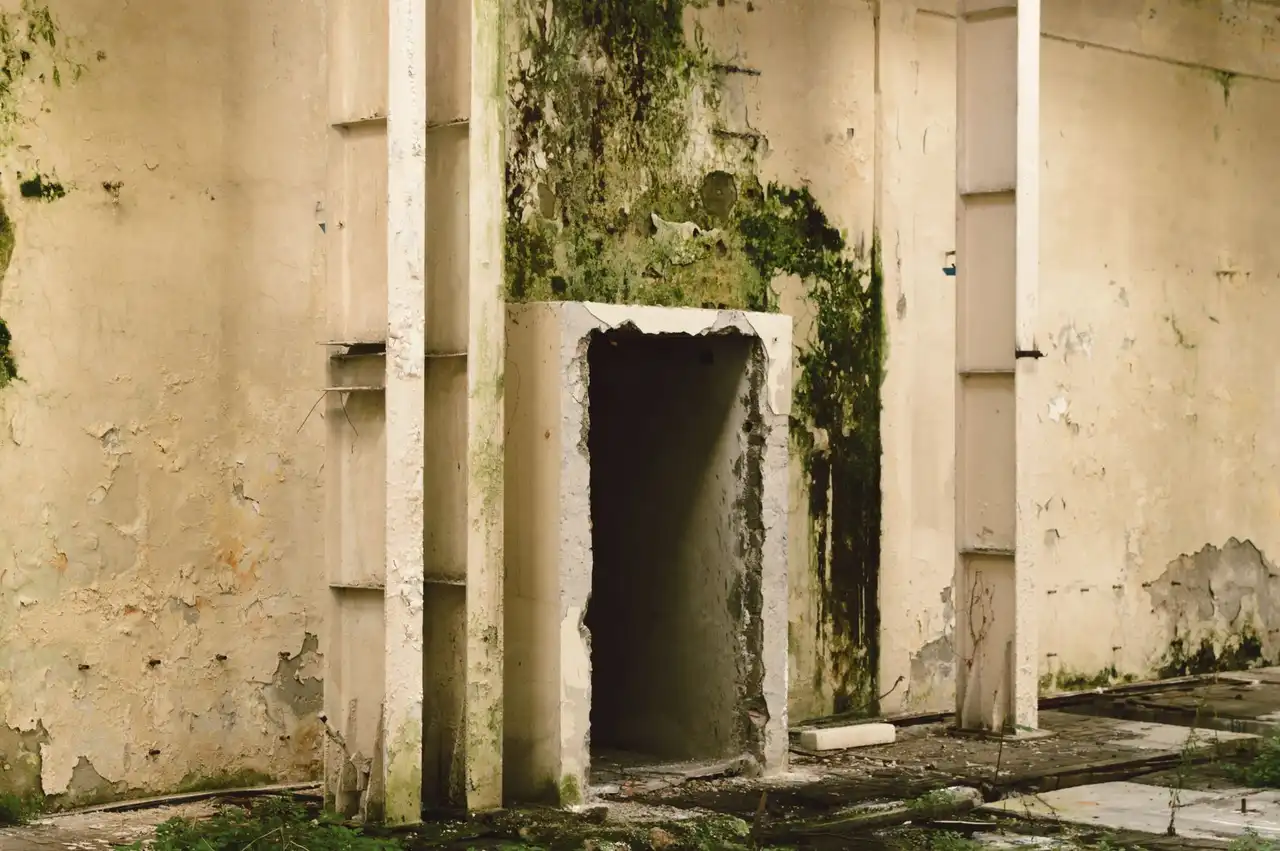
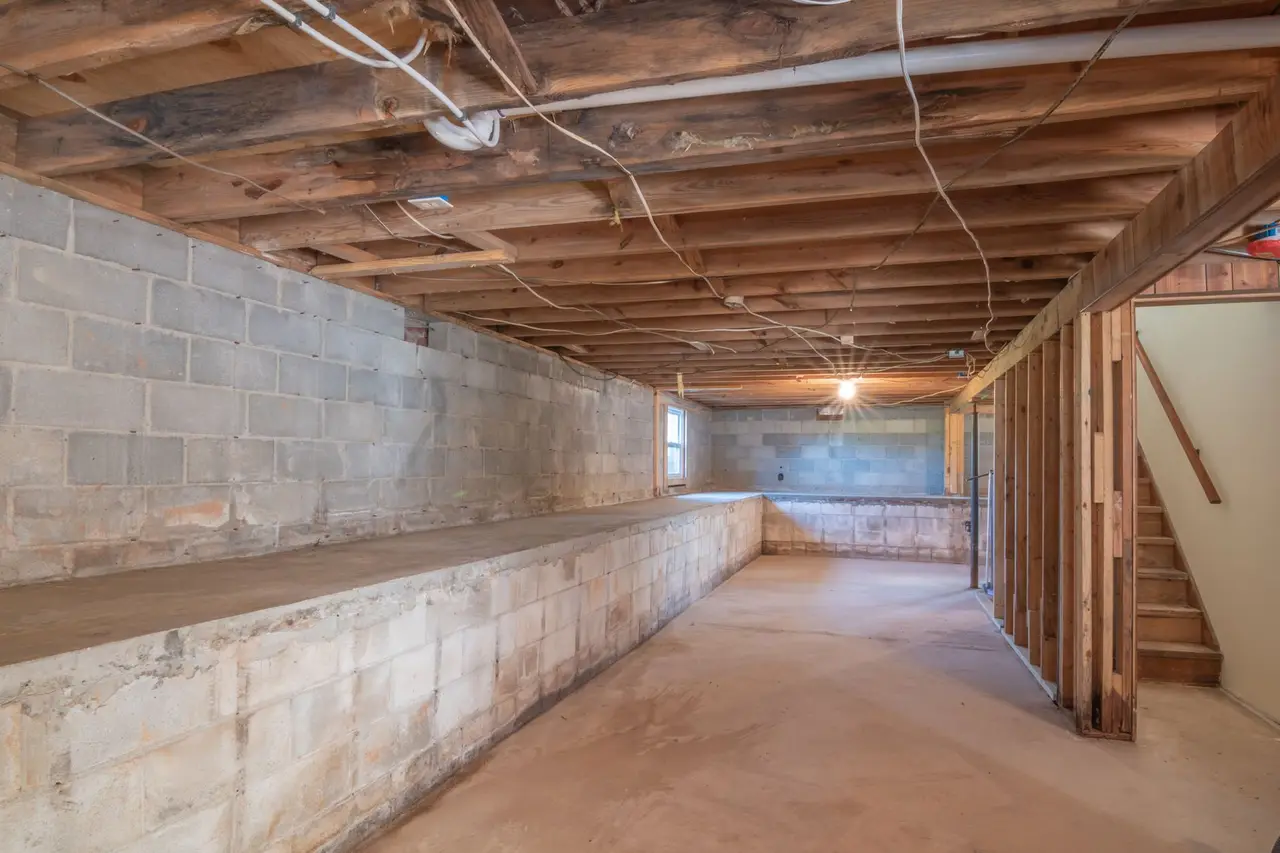
Crawl spaces in Lancaster hold moisture from clay soil and slow plumbing leaks. We remove mold from joists and subfloor, HEPA vacuum the area, and lay polyethylene sheeting as a vapor barrier. A dehumidifier goes in where readings stay high.

Homes get attic, crawl space and wall work. Businesses need after-hours containment and documentation.
We work in occupied homes across Lancaster and plan around your schedule. Floors and furniture get protected before containment goes up.
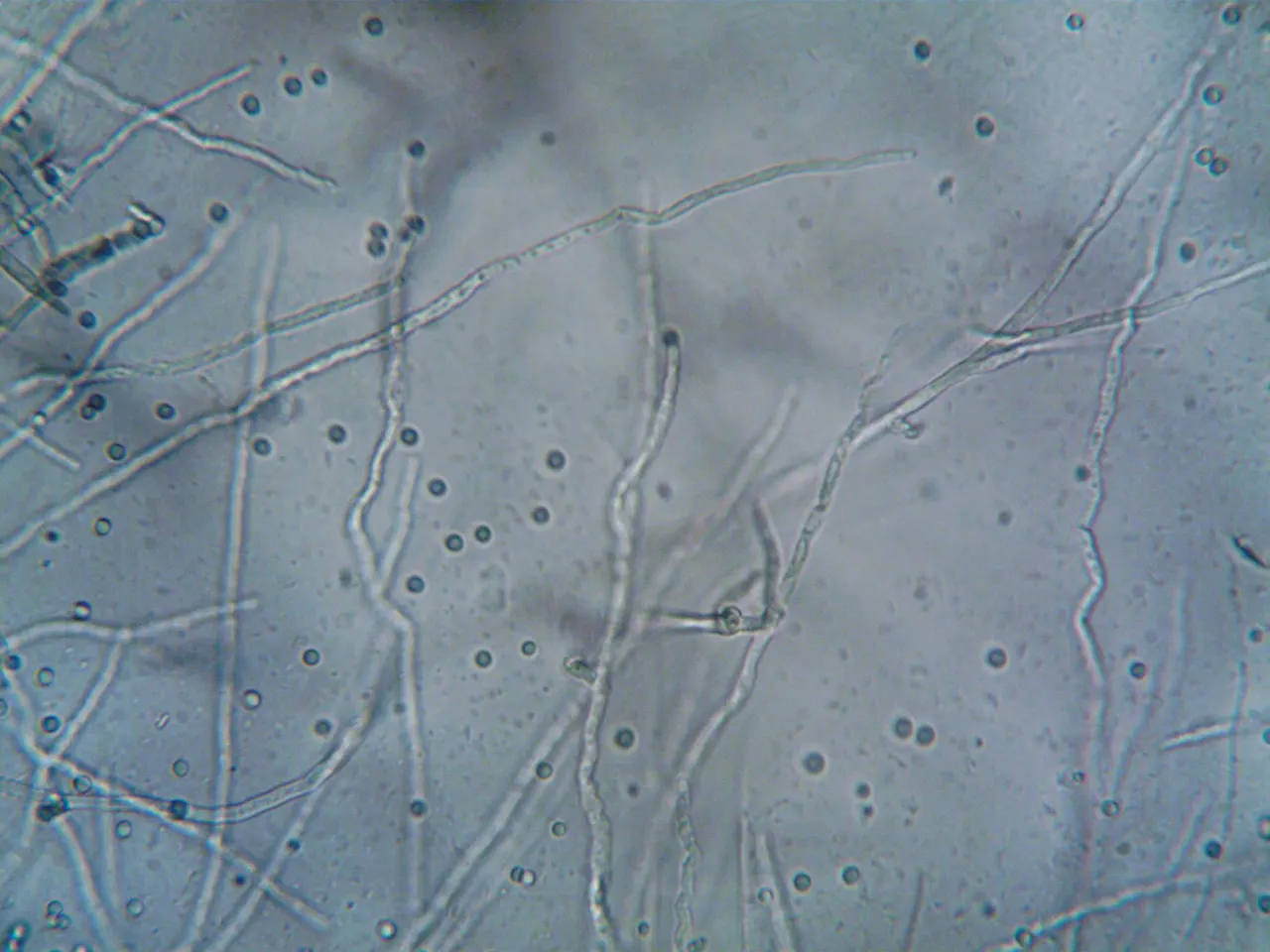
We schedule commercial work after hours or in phases so your business stays open. Property managers get documentation for insurance and tenant records.
Lancaster's climate and housing stock create a few recurring mold problems. High humidity from April through October keeps surfaces damp. Older homes have original roof decks and plumbing that leak slowly. Clay soil holds water around crawl spaces.
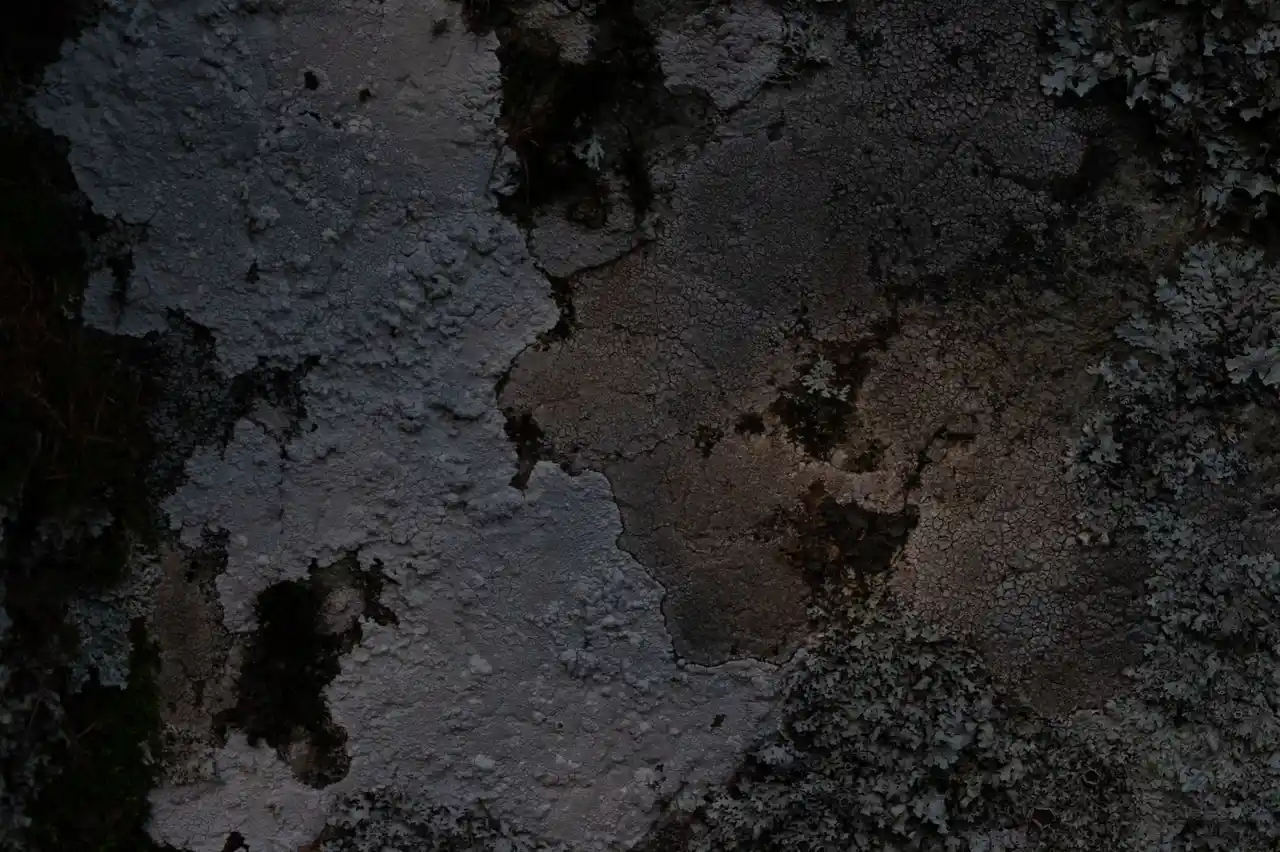
Lancaster gets heavy spring storms, and older roof decks in pre-1990 homes are prone to leaks. Attic ventilation is often undersized, so moisture from the living space rises and condenses on roof sheathing. That combination feeds mold on the decking and trusses.
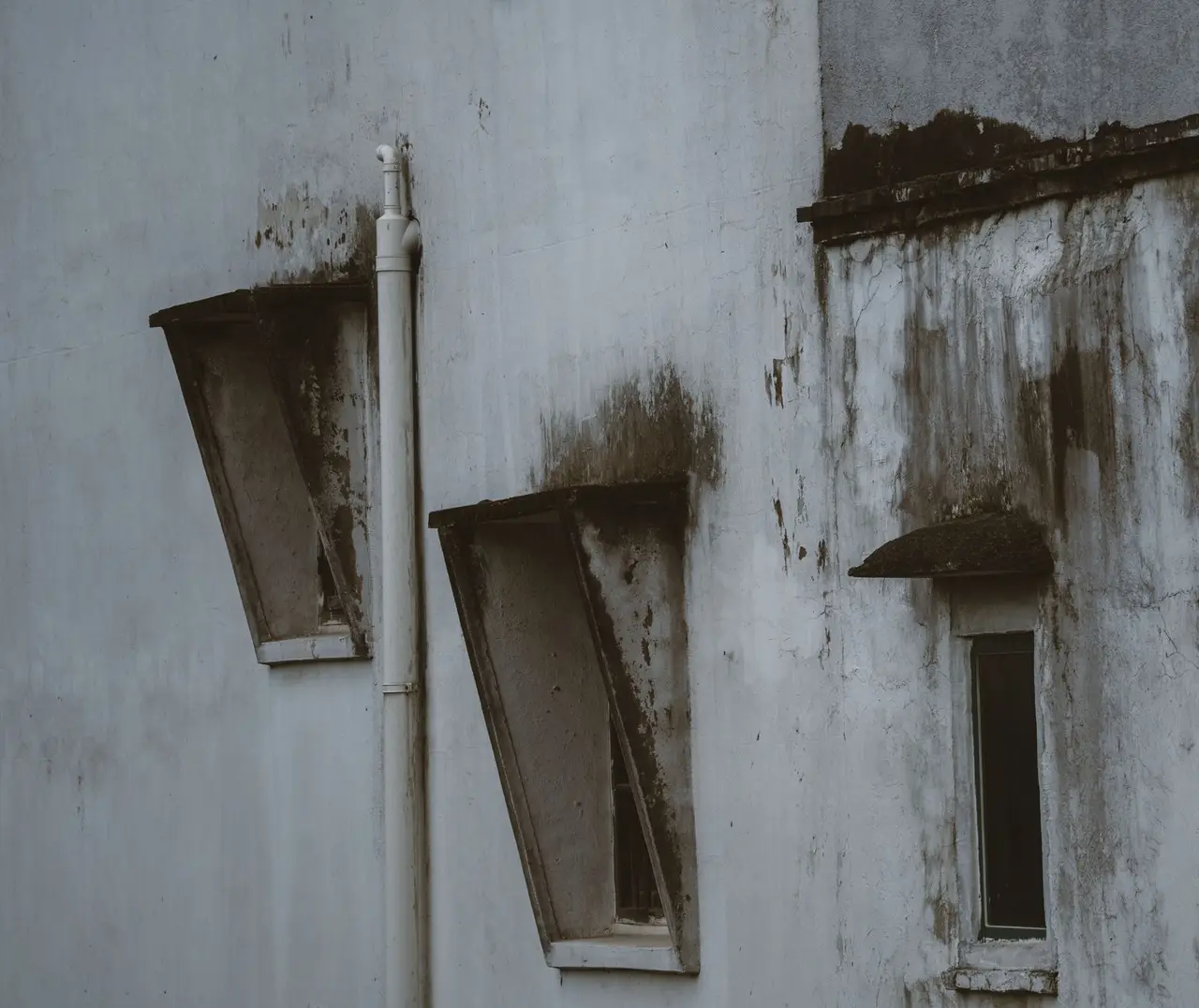
Lancaster's clay soil holds water after heavy rain, and crawl spaces in older homes often have no vapor barrier. Moisture wicks up into joists and subfloor and stays there for weeks. That is enough time for mold to colonize the wood.
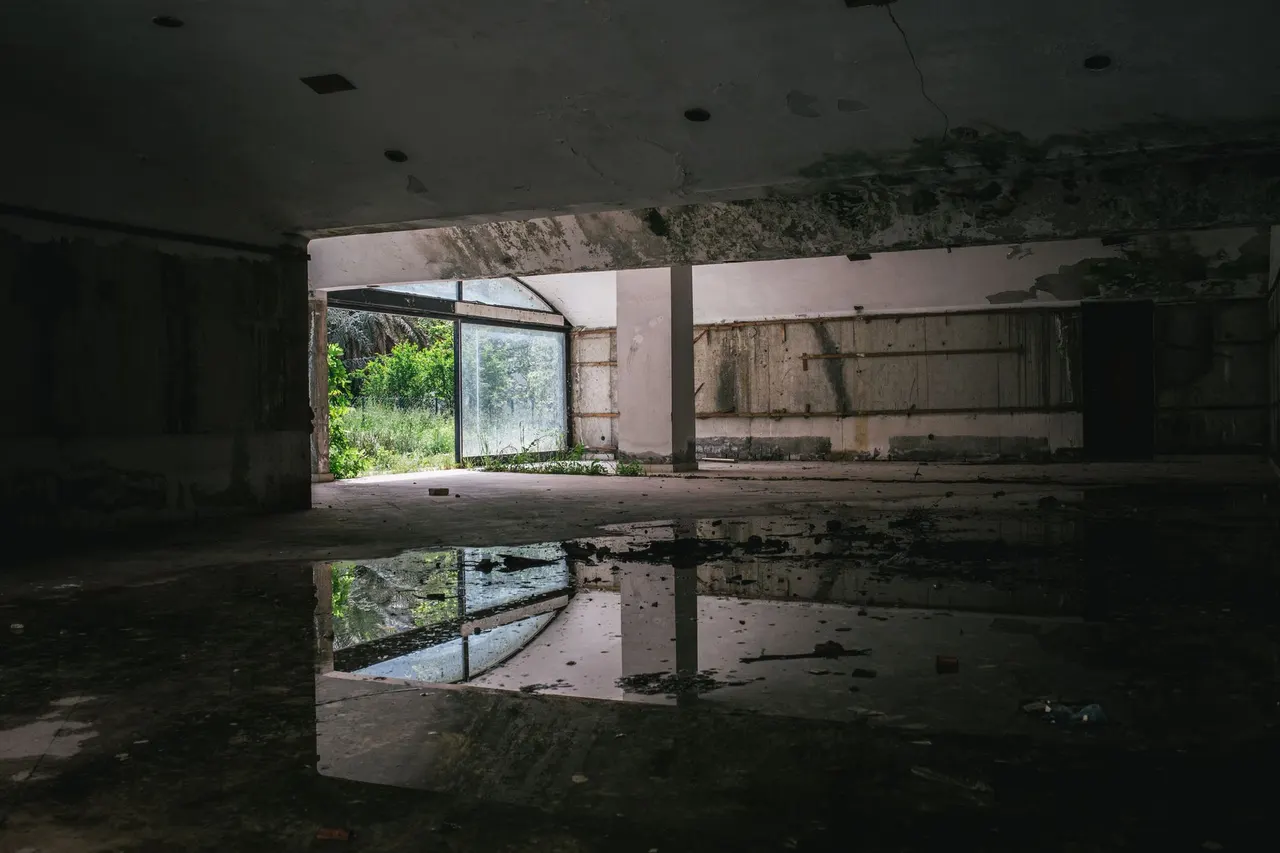
Lancaster's long cooling season means HVAC systems run hard from spring through fall. Condensate drains clog with algae and dust, and the drain pan overflows. Standing water in the air handler or attic pan feeds mold that then spreads through the ductwork.
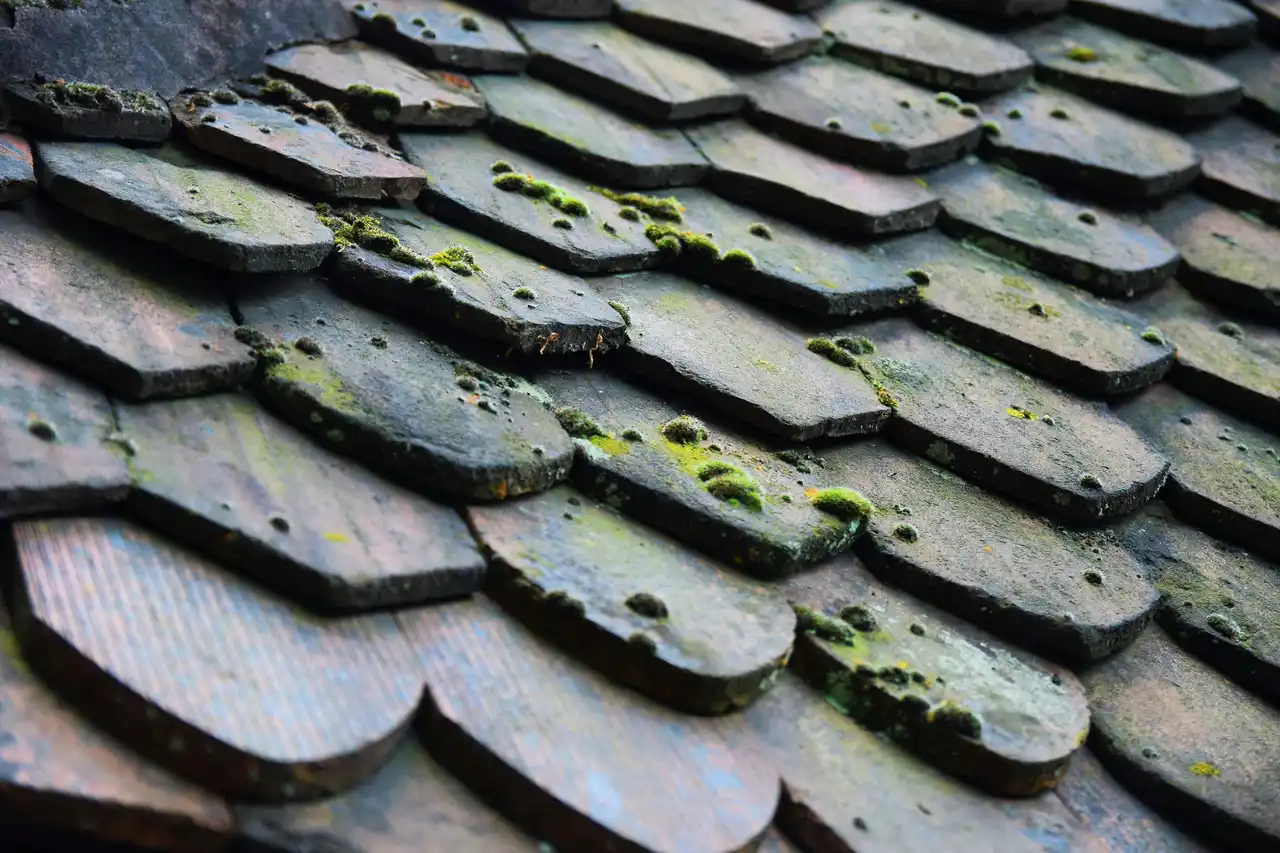
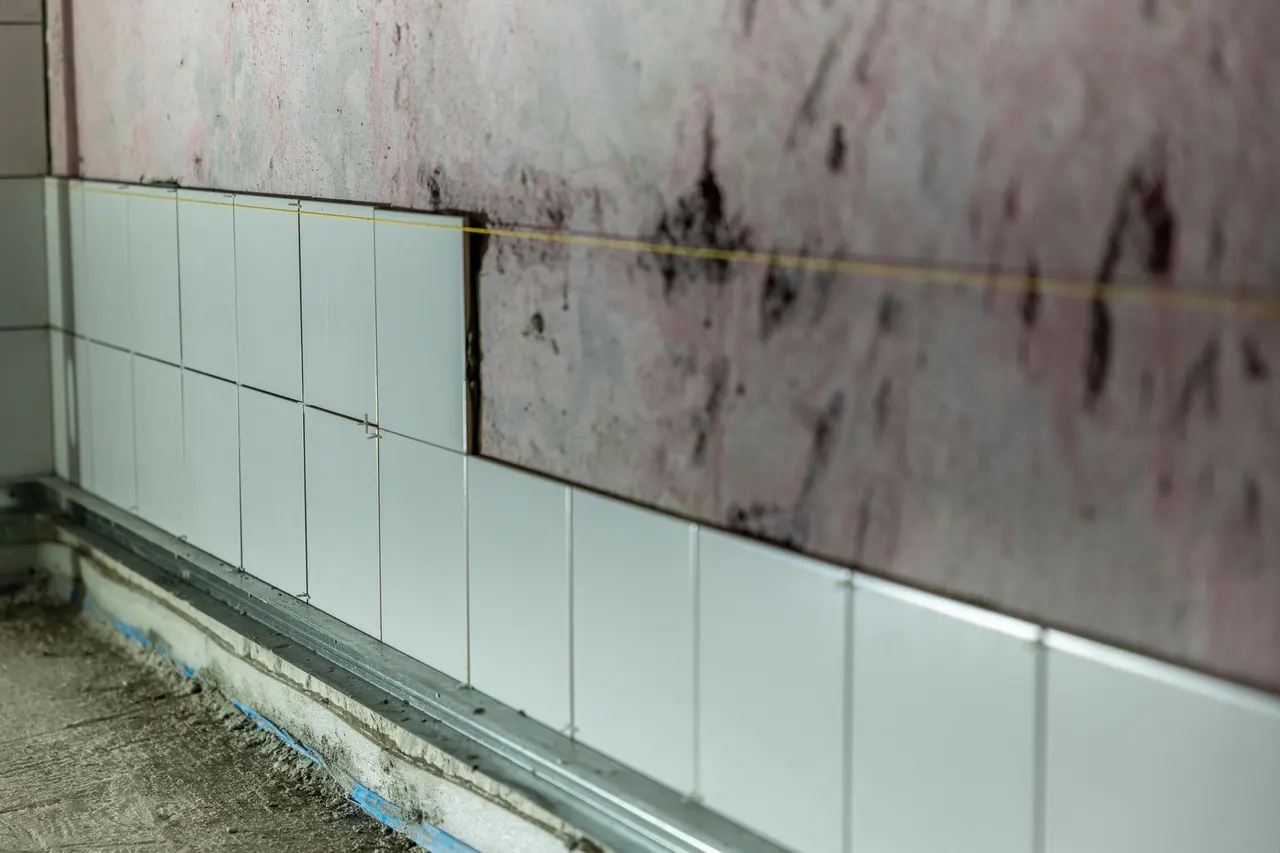
Older Lancaster homes often have original plumbing that develops pinhole leaks. Water runs inside the wall cavity for months before a stain shows on the surface. By then, the back of the drywall and the framing are already affected.
Musty odors, dark stains and condensation are the signals that it is time to call.
Any one of these is worth a call.
Nothing picked yet. Tap the signs you have noticed and this box will sum them up.
Lancaster is easy to navigate once you know the main corridors. We use Lancaster Historic Town Square as a central reference point for Downtown calls, and Cedar Valley College as a marker for the eastern side of the city. Bear Creek Nature Park helps us orient toward the southern residential areas.
Landmark
The square is the center of Downtown Lancaster and a useful reference point for routing to nearby residential streets and small commercial buildings.
Landmark
The campus sits on the eastern side of Lancaster and helps us orient toward nearby neighborhoods and rental properties.
Landmark
The park anchors the southern residential area and gives us a landmark for routing to nearby homes and crawl space jobs.
Landmark
The airport sits on the north side of the city and helps us locate industrial and commercial properties along the nearby corridors.
Landmark
The school district covers multiple campuses across Lancaster, and we often use a specific school name to confirm which part of town a customer is in.
Commercial area
The area around Lancaster Historic Town Square includes small retail, restaurants and service businesses in older buildings.
Commercial area
The Highway 342 corridor carries a mix of retail, light industrial and multi-family properties.
Transit
I-35E runs along the western edge of Lancaster and connects the city to Dallas and the southern suburbs. We use it for routing crews between Lancaster and other Dallas County jobs.
Not listed? Call and we will tell you whether we can get to you.
Check my areaLancaster's mold season runs long. Humidity starts climbing in spring and stays high through fall, and winter brings its own moisture problems from heating and closed-up houses. Here is what to expect each season.
Lancaster sits in the southern part of Dallas County, and we cover the surrounding cities on the same routes. If you are in Lancaster, you are close to several other areas we serve daily. Here are the nearby cities we reach from Lancaster.
Straight answers to what people ask first.
A small bathroom wall is at the low end. A full attic with wet insulation and mold on the roof decking is at the high end. Crawl space and HVAC jobs fall in between. We give you a written scope and a clear price before we start, so you know what you are paying for.
Dallas Mold Remediation handles mold removal in Lancaster and the surrounding Dallas County area. We have worked Lancaster since 2015, covering neighborhoods from Downtown Lancaster to Millers Ferry. If you need mold remediation services Lancaster homeowners recommend, call us for an inspection and a written scope.
Yes. We run emergency calls for active leaks, sewage backups and situations where mold is spreading fast. If you have water actively running into a wall or attic, call us and we will get a crew out as soon as possible. For non-emergency work, we schedule inspections within 24 hours in most cases.
Most residential mold remediation jobs in Lancaster finish in one to three days. A single wall or bathroom might take one day. A full attic with insulation replacement can take two to three days. Crawl space jobs depend on square footage and whether a vapor barrier is needed. Commercial jobs are scheduled in phases so your business stays open. We give you a timeline in the written scope before work starts.
We offer same-day mold inspection Lancaster TX when you call early in the day and our schedule allows. Most inspections are scheduled within 24 hours. The inspection includes a thermal imaging camera scan, moisture meter readings and a boroscope check of wall cavities where needed. You get a written report with findings, photos and a scope. Call (214) 817 0145 to check availability.
If you have a musty odor, a dark stain on drywall or mold in your attic or crawl space, do not wait. Lancaster's humidity keeps mold growing until the moisture source is fixed.
Call (214) 817 0145 or email [email protected] to schedule an inspection. We answer the phone Monday through Friday, 8:00 AM to 6:00 PM, and we return after-hours messages first thing the next morning. Same-day inspections are available across Dallas County when you call before noon.